Opens in a new tab

Topic

Sahel

Mali, Burkina Faso, Niger, Chad and the juntas

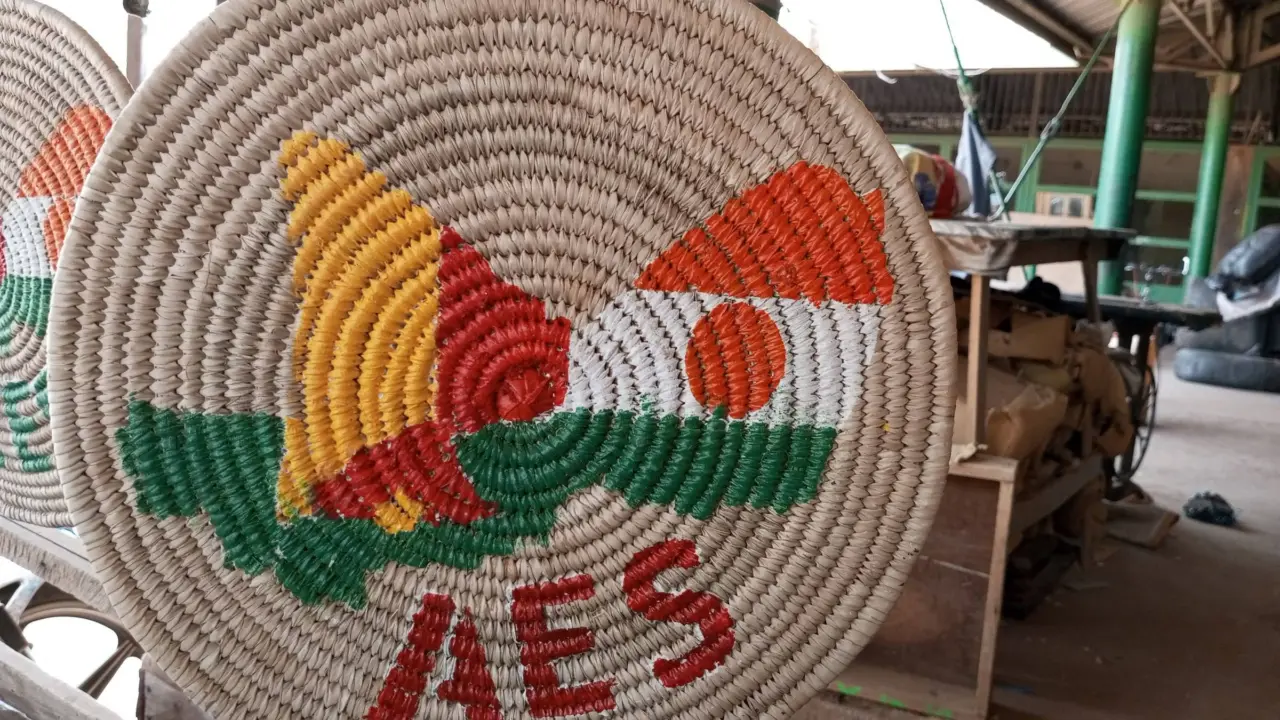
Woven basket bearing the emblem and initials of the Alliance of Sahel States, hanging at a craft market

News · Analysis

What McGovern’s Sahel sanctions letter asks Washington to do

Representative James McGovern's 12 August letter asks the State Department to sanction rights violators in Mali, Burkina Faso and Niger and to explain the February 2026 delisting of three Wagner-linked Malian officials. It is a request, not a designation, and Washington's leverage over the three military governments has weakened.
By Michael Chisamba · · 3 min read

Latest in Sahel

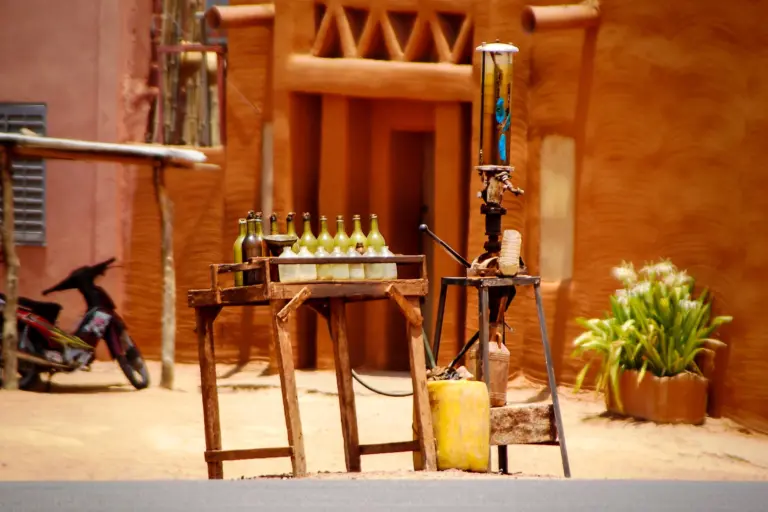
A roadside fuel stall near Ségou in Mali, with bottles of petrol on a wooden table and a hand pump beside a mud-rendered wall.

News · Insight

Mali’s fuel blockade shows the power of supply corridors

From 3 September 2025, JNIM attacks on fuel convoys forced rationing in Bamako without a siege. With roughly 95 per cent of Mali's fuel arriving on two highways from Côte d'Ivoire and Senegal, corridor interdiction has become a cheap form of coercion whose costs cross borders.

Michael Chisamba ·

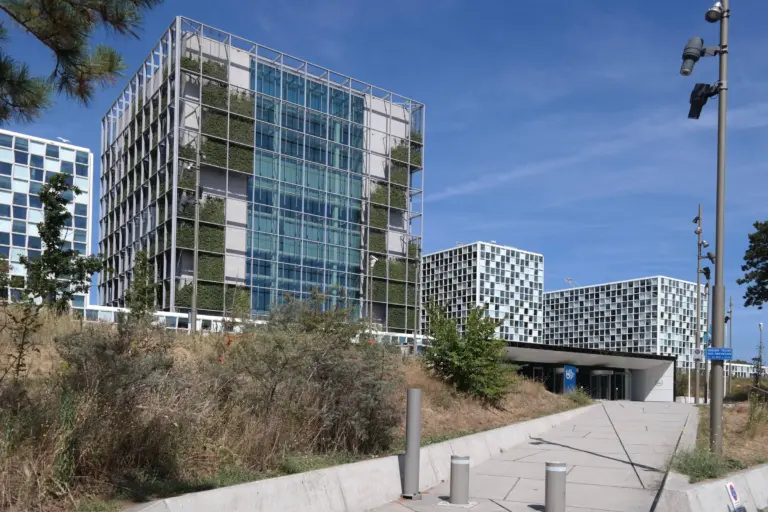
The International Criminal Court building in The Hague, with its glass towers behind dune grasses.

News · Analysis

The Sahel’s ICC withdrawals test enforcement without erasing past jurisdiction

Rome Statute withdrawal by Niger, Mali and Burkina Faso, notified in June 2026, takes effect only in June 2027 under Article 127 and does not erase existing obligations or cases, so the real test is whether the three military governments cooperate with enforcement and offer victims credible justice at home.

Jamel Lahiani ·

The International Criminal Court headquarters in The Hague, photographed in 2019.

World

Sahel ICC withdrawals raise questions about future accountability

The withdrawal of Burkina Faso, Mali and Niger from the International Criminal Court rests on a legitimate grievance about selective justice, but it removes the one jurisdiction their governments do not command while their forces stand accused of mass killings.

Jamel Lahiani ·

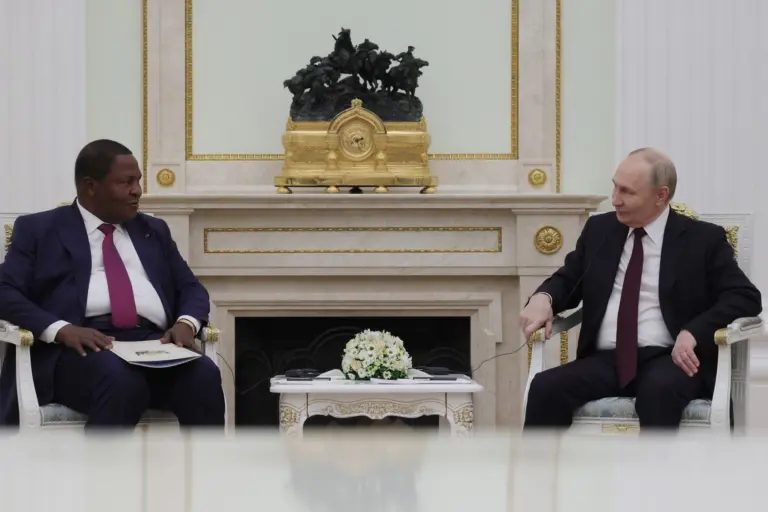
Vladimir Putin and Central African president Faustin-Archange Touadéra sit in talks at the Kremlin in March 2026.

World

Russia’s Africa Corps retains parts of Wagner’s security bargain

Russia's Africa Corps has inherited parts of Wagner's bargain: regimes in the Central African Republic, Mali and Burkina Faso buy survival with mining concessions, often in gold. The deal protects governments rather than citizens, and it persists because some leaders fear their own populations more than foreign patrons.

Victoria Akindele ·

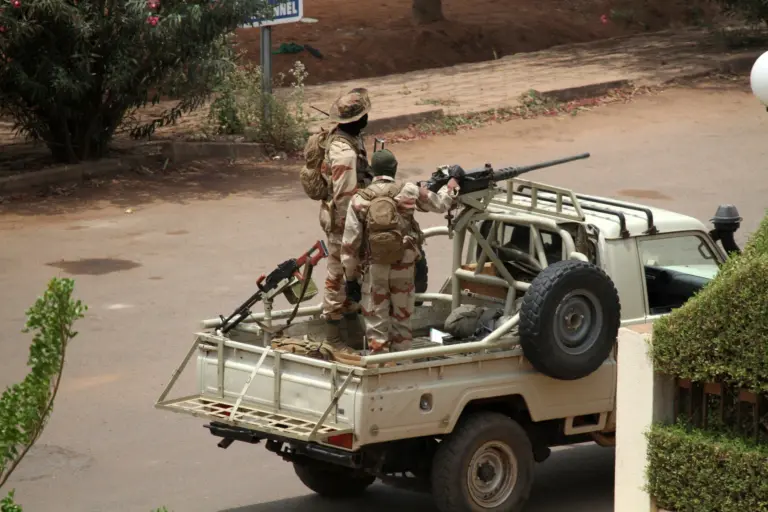
Malian army soldiers ride on a pickup with a mounted machine gun in Bamako during the 2012 coup.

News

Mali’s contested security routes test state control

Militant checkpoints across Mali and the withdrawal of Russian-linked forces from Kidal show that external security partnerships struggle to convert presence into lasting territorial control. Swapping French for Russian partners has not closed the gap, because sovereignty is measured by who governs the roads once foreign forces leave.

Victoria Akindele ·

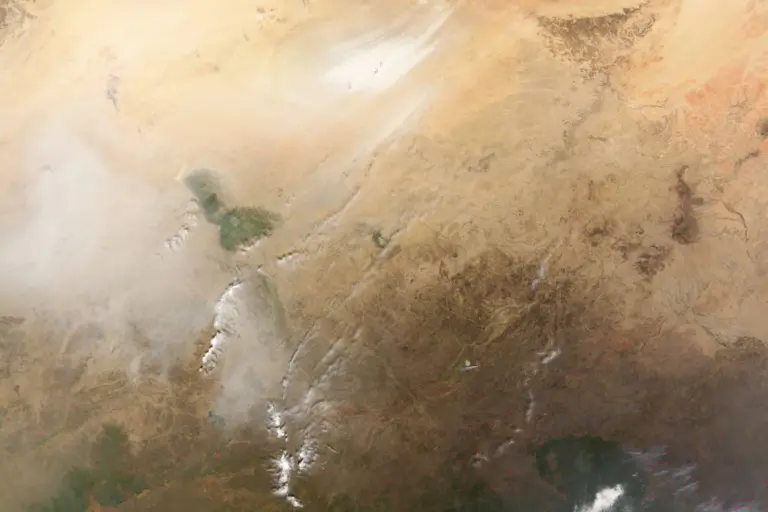
A satellite view of dust blowing across the Sahel from the Bodélé Depression near Lake Chad, with greener savanna to the south.

Economics · Insight

The Great Green Wall’s progress tests Africa’s adaptation plans

The Great Green Wall's 8,000-kilometre vision is held back by finance more than ideas. Only a fraction of the roughly $33 billion needed by 2030 has reached communities, and restoration succeeds where local people own the work and can stay to maintain it.

Adedoyin Shittu ·

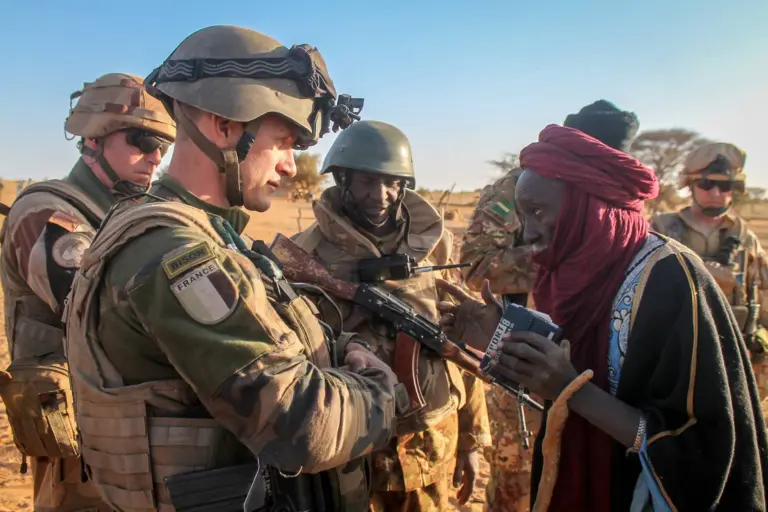
A French soldier of Operation Barkhane talks with an elder in a red turban as Malian and French troops look on.

World

France shifts its approach as African partnerships change

France's exit from Mali, Burkina Faso and Niger redistributes its influence rather than ending it, shifting from garrisons to culture, development finance and corporate presence. Without a redesign of the monetary and economic arrangements of Françafrique, the quieter presence risks being the old one with better public relations.

Victoria Akindele ·

Displaced Fulani people at a displacement site in Barsalogho, Burkina Faso, in early morning light

World · Insight

Climate displacement in the Sahel and the limits of legal protection

Climate displacement in the Sahel does not fit refugee frameworks built for political persecution, and climate effects alone do not generally establish refugee status. Until cross-border protection is recognised in law, the cost of drought driven by others' emissions stays with the displaced.

McDike Dimpka ·

Earlier in Sahel

Trump’s NATO policy exposes risks in Africa’s security partnerships

Trump's conditional approach to NATO shows African governments that Western security guarantees depend on a partner's domestic politics. The Sahel's military governments turned to Russia for their own reasons, but the sustainable answer is stronger collective security through the African Peace and Security Architecture.

Jamel Lahiani

Military transition promises need enforceable limits on power

Military rulers in Mali, Burkina Faso, Niger and Guinea justified their coups with an accurate critique of civilian failure, but transition timetables repeatedly extended by the military authorities themselves amount to transition theatre rather than democratic renewal.

Jamel Lahiani

Traoré’s online image faces the test of security and governance in Burkina Faso

Captain Ibrahim Traoré's online popularity, amplified by AI-generated imagery, contrasts with Burkina Faso's record since 2022, including mass killings at Barsalogho and Solenzo, more than 2.3 million people displaced and elections postponed to 2029. Invoking Sankara's image cannot substitute for security and delivery.

Jamel Lahiani

Conflict threatens the transmission of Dogon cultural knowledge

Conflict and displacement in central Mali threaten the Dogon Sigui, a ceremony tied to a roughly 60-year cycle through which knowledge passes between generations. Such cultural losses go unrecorded in the humanitarian and development statistics used to measure the Sahel's crisis.

Joseph Isaac

Africa’s inherited alliances and the work of building alternatives

Political independence did not transfer economic and structural power. Commonwealth habits, CFA franc arrangements and military training ties still shape African choices, and the Sahel's break with ECOWAS and France shows why Africa needs its own monetary, security and trade frameworks to make partnerships genuinely voluntary.

Adedoyin Shittu

Libya confronts the institutional legacy of Gaddafi’s rule

Gaddafi's personal rule left Libya without institutions able to manage the transition after 2011. His fall removed a financier of the African Union, opened weapons depots whose arms reached Mali, Niger and Sudan, and exposed how little the AU could do to shape his country's fate.

Joseph Isaac

The African Union’s authority depends on its members’ commitments

The African Union's failure to reverse coups in Guinea, Mali, Burkina Faso, Niger and Gabon reflects its design rather than weak leadership. Members will not build enforcement that could be turned on them, and reliance on external funding and unpaid contributions further limits its authority.

Alao Abiodun

Sahel military governments renegotiate external partnerships

Military governments in Mali, Burkina Faso and Niger have turned to Russian security arrangements as French and EU missions departed, and reopened resource terms such as Niger's uranium contracts. Their sovereignty claims will be judged by whether security, resource terms and institutions improve for residents.

Victoria Akindele