Opens in a new tab

Section

Economics

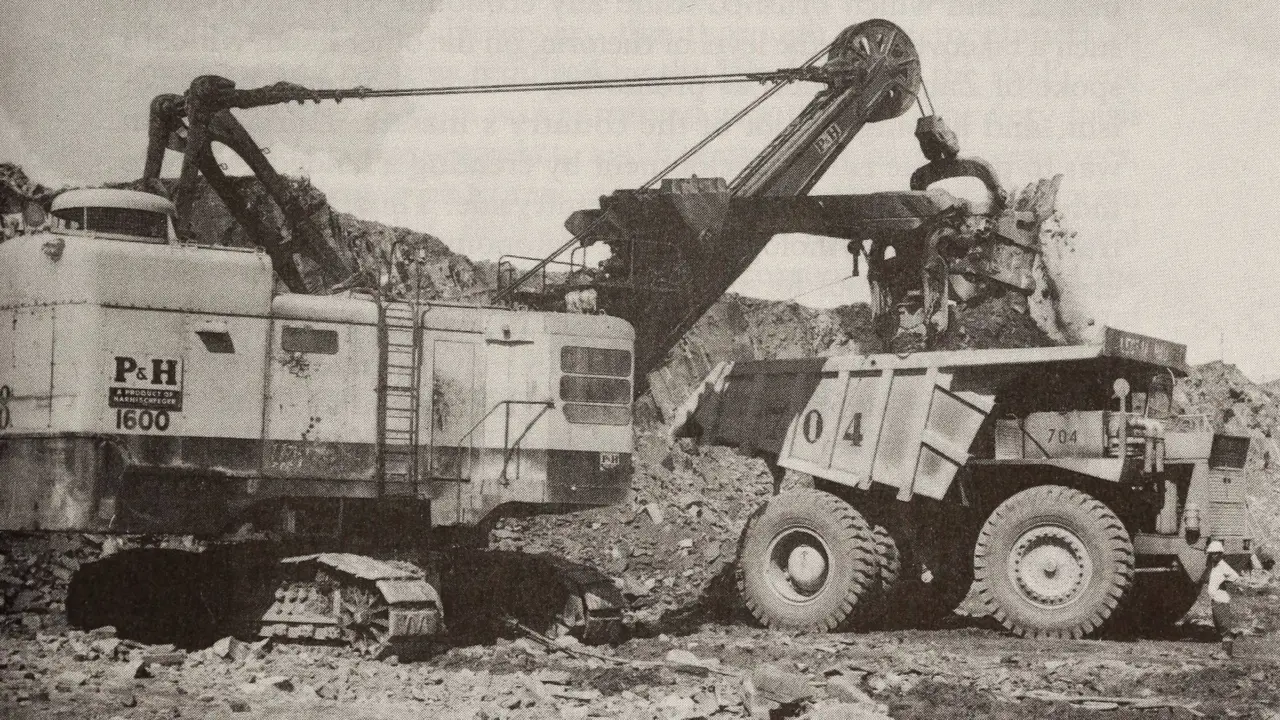
A black-and-white archive photograph of an electric shovel loading copper and cobalt ore into a haul truck at the Musonoi mine in Katanga.

Critical minerals

Congo’s cobalt quota needs a public allocation ledger

Of Congo's 96,600-tonne cobalt export quota for 2026, 9,600 tonnes is a strategic allocation held at the regulator's sole discretion. Without a published ledger reconciling quotas, assays and customs records in contained cobalt, citizens cannot tell sovereign leverage from an unaudited chokepoint.


By Alao Abiodun · · 6 min read

Latest in Economics

Smoking chimneys and buildings of the steel mill at Vanderbijlpark, South Africa, beyond open grassland

AfCFTA and trade

Europe’s carbon border levy leaves a gap in clean-power incentives

The EU's carbon border adjustment mechanism is defensible in principle but unequal in its incidence. It reaches African exporters through contracts, not tax law, and ignores purchased power for steel and aluminium, so the fight that matters is over its annexes.

McDike Dimpka ·

Terraced walls of the vast Palabora open pit mine at Phalaborwa, South Africa

Africa and the great powers · Analysis

Public finance helps advance African rare-earth projects

The US International Development Finance Corporation's $50 million equity support for the Phalaborwa rare-earth project puts public capital in at the feasibility stage, when processing and offtake terms are drafted. Host governments have the most leverage before a project becomes bankable, not at the construction decision.

Adedoyin Shittu ·

Facade of the New York Stock Exchange on Wall Street with large columns and a US flag

African Union and Pan-Africanism

Who assesses Africa’s sovereign credit risk?

Moody's, S&P Global and Fitch set the price of African sovereign borrowing from New York and London, and African finance ministers argue their models overweight political risk and regional contagion, a cost a 2023 UNDP-commissioned study put at billions of dollars.

Adedoyin Shittu ·

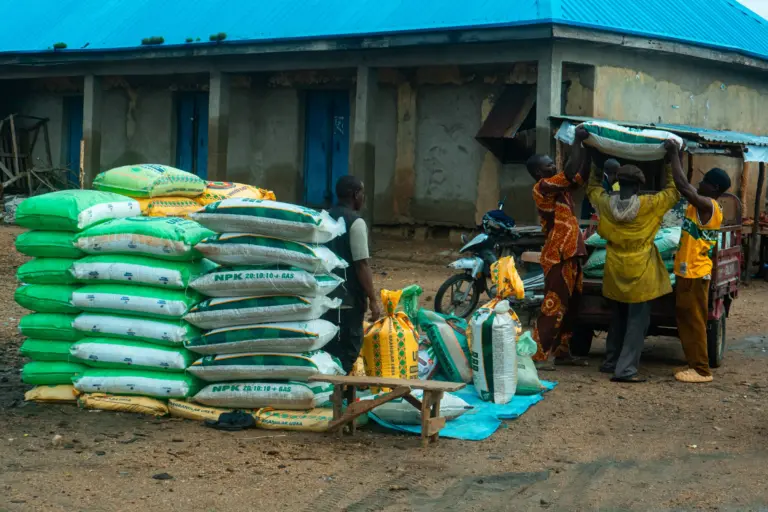
Men offload sacks of chemical fertiliser from a vehicle outside a warehouse in Nigeria

Development and poverty

Hormuz disruption can affect Africa’s fuel, fertiliser and food costs

Disruption at the Strait of Hormuz reaches African farms through higher fuel and gas-based fertiliser costs, a vulnerability rooted in importing inputs the continent could make from its own gas, phosphate and potash, which makes domestic fertiliser capacity a strategic priority.

Ebenezer Makinde ·

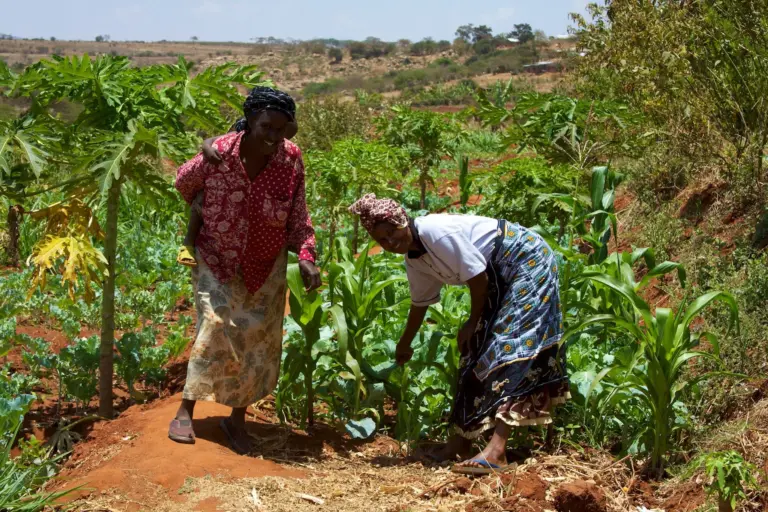
Two women smallholder farmers smile as they tend crops in a field in Kenya.

Development and poverty · Insight

Land titling needs protections against dispossession

Land titling programmes promise African smallholders credit and tenure security, but registration favours those who can navigate a registry office and transferability exposes struggling households to distress sales, so reforms need protections such as co-titling from the outset.

Alao Abiodun ·

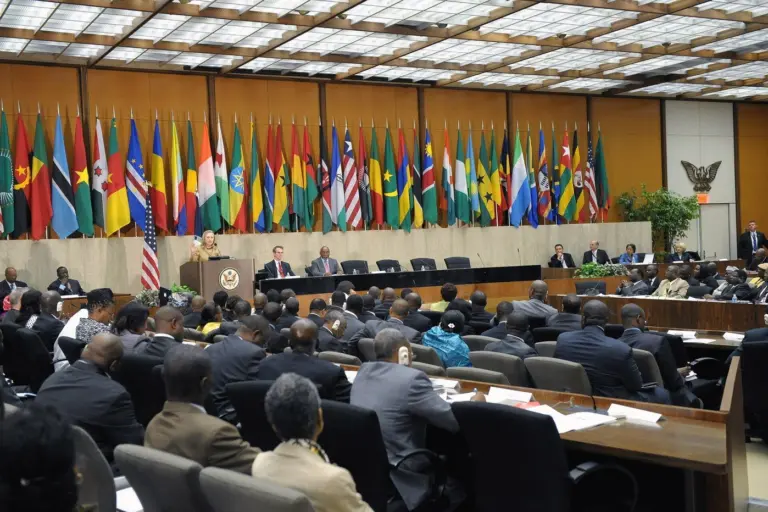
Delegates seated in a conference hall lined with African flags during a session of the AGOA forum

AfCFTA and trade

AGOA’s short extension leaves African exporters facing uncertainty

Washington is replacing AGOA's open-ended trade preference with tariffs and minerals-for-access deals that reward American supply chains, and African states negotiating one by one face the US from weakness unless they bargain as a bloc and insist on processing at home.

Kiraithe Daniel Mutemi ·

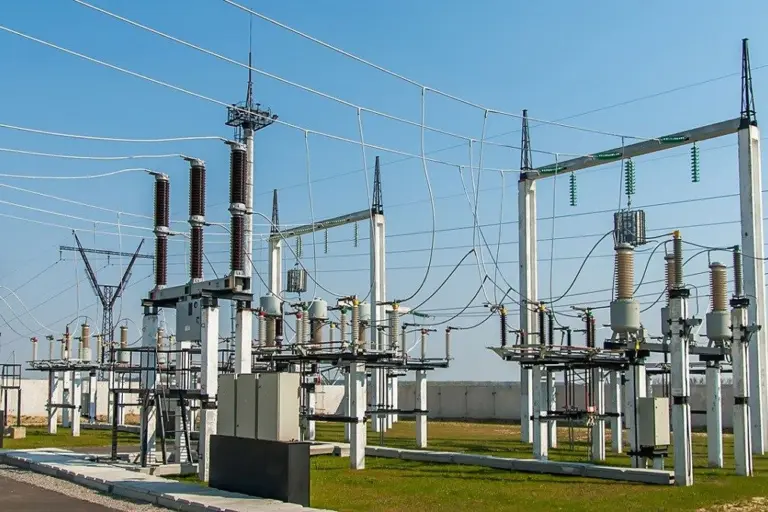
Electrical equipment and transmission lines at a substation.

Development and poverty

Mission 300 tests the institutions behind lasting electricity access

Mission 300, the World Bank and African Development Bank initiative to connect 300 million Africans to electricity by 2030, is a test of state capacity. It relies on utility reform, credible tariffs and private capital for roughly half its financing, capital that avoids the markets with the largest gaps.

Adedoyin Shittu ·

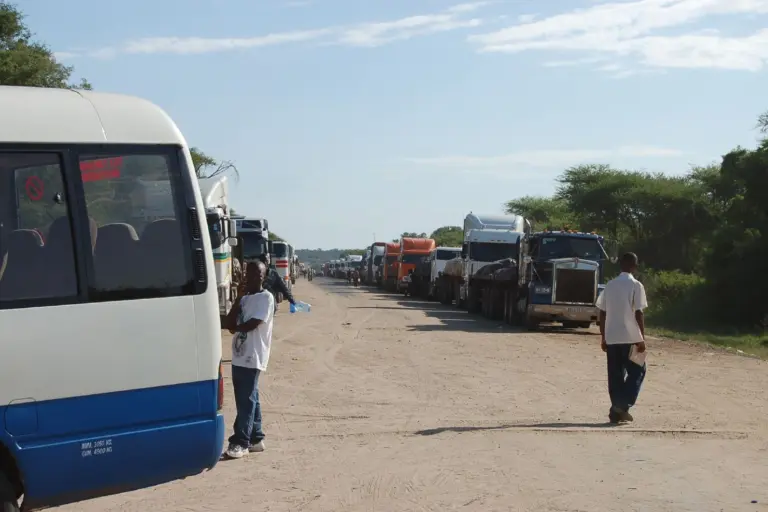
A long line of freight trucks waits on a dirt road at the Kazungula border crossing in Zambia.

AfCFTA and trade

AfCFTA’s rules of origin pose an implementation test

AfCFTA preferential trade has grown far more slowly than its ambition because rules of origin are granular enough that many smaller exporters cannot prove their goods qualify. The burden risks concentrating benefits among economies such as South Africa and Egypt that already had manufacturing and trade capacity.

Victoria Akindele ·

Earlier in Economics

Morocco’s phosphate reserves give it influence in fertiliser markets

Morocco, with the disputed territory of Western Sahara that it administers, holds the majority of the world's known phosphate rock reserves, and OCP Group has built downstream processing around them. That gives Morocco structural influence over fertiliser inputs and a model for other mineral exporters.

McDike Dimpka

Secondhand clothing policy must account for consumers and local industry

Used clothing imports, mitumba in East Africa and okrika in West Africa, dress millions affordably and sustain informal livelihoods while crowding out domestic textile production. The East African Community's phaseout attempt shows bans fail before local capacity exists, so industrial building must come before import restrictions.

McDike Dimpka

Ghana and Côte d’Ivoire seek more influence over cocoa returns

Ghana and Côte d'Ivoire grow roughly two-thirds of the world's cocoa but capture a small slice of chocolate's value. Their coordinated premium may prove to be leverage borrowed from a climate-driven supply squeeze unless it funds domestic grinding, processing and crop resilience.

Adedoyin Shittu

Gulf port investment puts concession terms under scrutiny

Gulf states are converting oil wealth into African ports, farmland and logistics corridors as patient, directed capital. Whether that is partnership or acquisition depends on concession terms, and on African governments negotiating from strategy rather than fiscal distress, with real reversion and revenue-sharing.

Adedoyin Shittu

Africa’s borrowing costs require scrutiny of perception and fiscal data

African sovereigns can pay borrowing premiums their fundamentals do not explain, partly because foreign rating agencies and crisis-led coverage shape perception. Senegal's discovery of undisclosed debt shows the other half, that repricing African risk depends first on timely, audited and complete fiscal data.

Adedoyin Shittu

Africa’s pension savings could finance more domestic investment

African pension funds hold a growing pool of patient, mostly local-currency savings, yet regulation channels much of it into government bonds. Measured allocation limits, pooled vehicles, guarantees and a pipeline of bankable projects could let that capital finance infrastructure without endangering retirement savings.

Adedoyin Shittu

Who captures the value of Africa’s forest carbon credits?

African forest carbon credits have traded at a fraction of comparable credits elsewhere because brokers, verification bodies and buyers outside the continent set the price. Verification capacity, direct government-to-buyer deals like Gabon's and a collective floor price would let African sellers negotiate as equals.

McDike Dimpka

Africa’s fragmented aviation market limits regional connections

The Single African Air Transport Market has stalled because governments protect weak national carriers, forcing travellers between African cities through foreign hubs. Ethiopian Airlines shows African airlines can compete at scale, and air connectivity is load-bearing infrastructure for continental free trade.

Alao Abiodun

Zambia’s debt restructuring shows the cost of prolonged negotiations

Zambia's prolonged debt restructuring after its November 2020 default was not bureaucratic misfortune. The G20 Common Framework sets no binding timeline for creditors, so delay costs China and bondholders little while concentrating the cost on the debtor, whose own borrowing choices weakened its position.

Michael Chisamba

Africa’s monetary choices amid efforts to reduce dollar dependence

BRICS efforts to reduce reliance on the dollar give Africa an opening, but the risk is that de-dollarisation succeeds on terms Africa did not negotiate, swapping dollar dependence for yuan dependence. Expanding PAPSS, diversifying reserves and borrowing in local currency would build monetary sovereignty instead.

Adedoyin Shittu