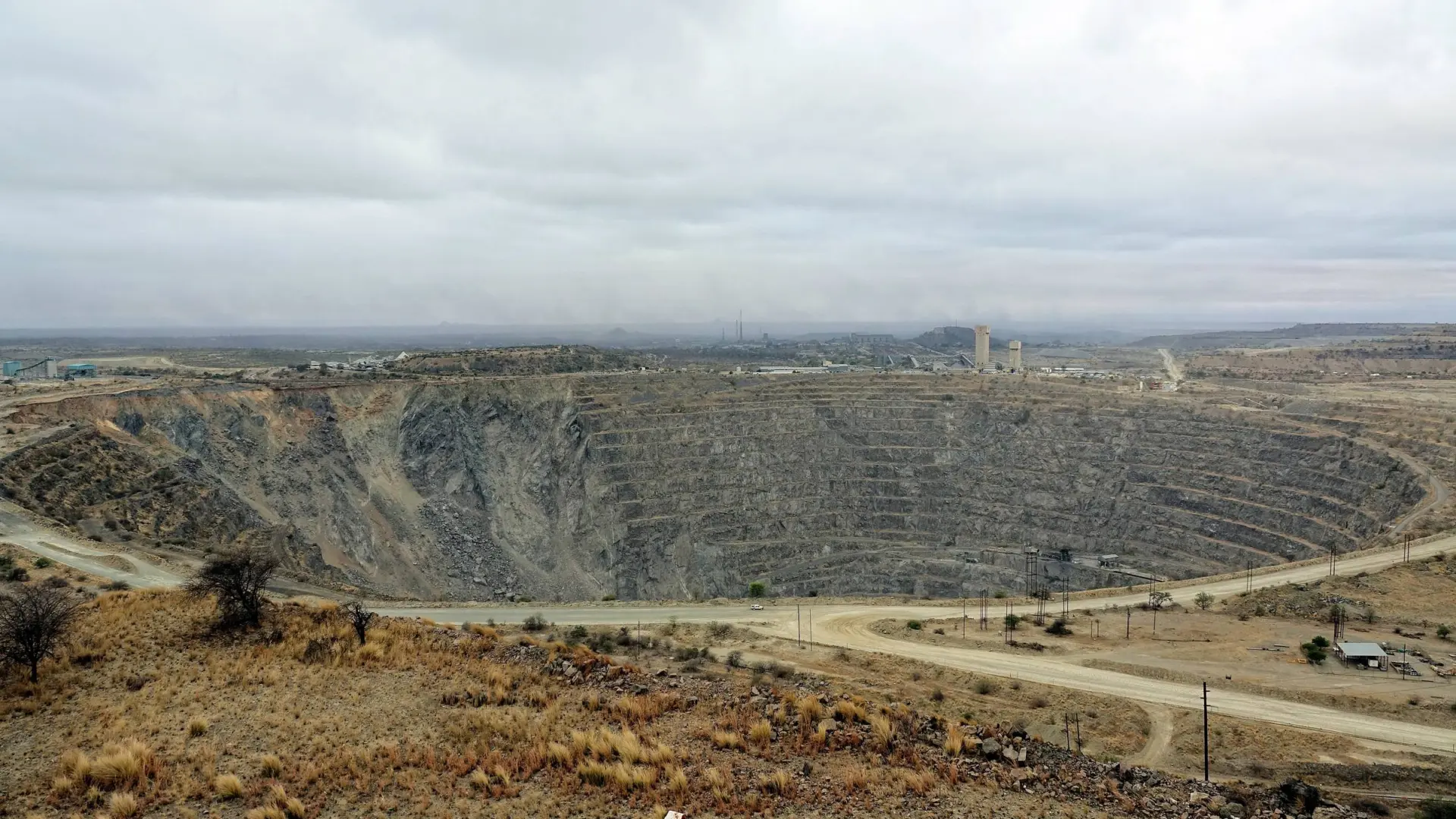
The US International Development Finance Corporation has backed the Phalaborwa rare-earth project in South Africa through investment platform TechMet. A DFC account published on 12 February 2024 described $50 million in equity support and a pilot process to recover rare-earth oxides from industrial waste. That is a different development route from drilling a new deposit, and project-stage distinctions matter when judging what public finance is buying.
What it is buying is presence at the moment that counts. The state that funds the feasibility study is present when the offtake terms are drafted, and that is well before the first tonne is mined. Host governments have the most leverage before a project becomes bankable, not at the construction decision.
The state that funds the feasibility study is present when the offtake terms are drafted, and that is well before the first tonne is mined.
This is not a criticism of the agency, which is doing openly what a development finance institution exists to do. It is a description of when leverage is actually exercised in mining. The negotiation that decides who captures the value of a deposit does not happen at the ribbon-cutting. It happens in the documents that make the ribbon-cutting financeable, and those documents are being paid for now.
What early finance pays for
Rare-earth projects face geological, technical, financing and market risks. Concentrated production and processing can expose new suppliers to price competition. Early finance can support feasibility work, processing trials, permitting and preparation for construction, and the mix differs by project. Phalaborwa’s recovery of material from historical waste should not be treated as equivalent to a new mine’s exploration programme. Governments negotiating support need the project documents that specify what is being funded and which conditions attach to it.
The scale and stage of each commitment also matter. A funding announcement, an option to invest, a disbursement and a construction decision are different events. Comparing them as though they were equivalent can exaggerate how close a project is to production. The test is how much capital has been committed on binding terms and what technical milestones remain.
The leverage on offer
The strategic motive is the reason for public involvement. These metals go into the permanent magnets in electric vehicles, wind turbines and defence systems, and the concentration of processing capacity in one country is treated in Washington as a strategic exposure rather than a market outcome. Continued funding will still depend on policy decisions, technical performance and the terms of each investment.
African states in this position hold a stronger hand than they usually play. The arriving capital is not opportunistic. It is strategic and public. A government that understands the difference can ask for things that a purely commercial counterparty would refuse. Domestic processing commitments, guaranteed grid connections priced against industrial demand, local employment and training obligations, transparent royalty terms, and a share of any downstream separation capacity are all reasonable asks of an investor whose motive is supply-chain security rather than the marginal return. Public capital seeking a strategic outcome is more negotiable on commercial terms than private capital seeking a return, and that is the leverage on offer.
The test will arrive at the same moment for every host government. When a project reaches the point of a construction decision, the terms drafted during this de-risking phase will already exist, and they will be difficult to reopen. The question worth putting to Pretoria, and to any government whose projects are being prepared this way, is what those documents say about where the ore goes and who separates it. Once the feasibility study is bankable, that has been decided.