Opens in a new tab

Topic

Critical minerals

Copper, cobalt, lithium, mining and resource sovereignty

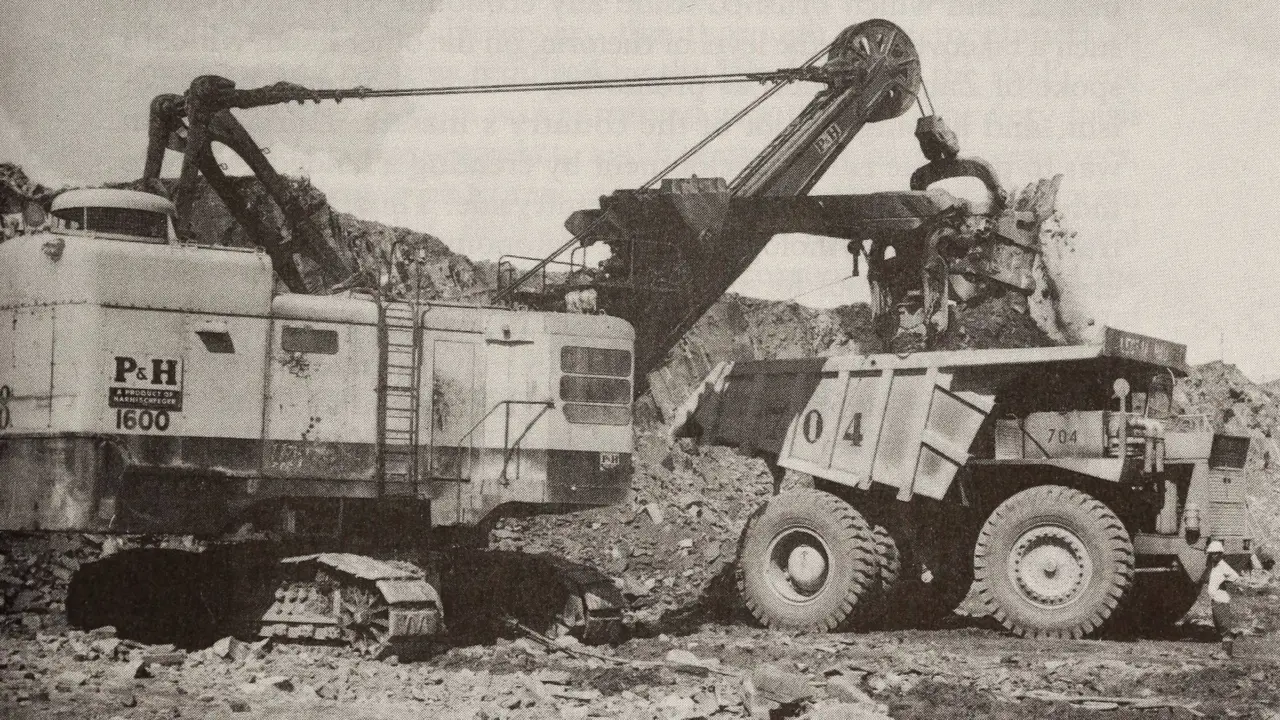
A black-and-white archive photograph of an electric shovel loading copper and cobalt ore into a haul truck at the Musonoi mine in Katanga.

Economics

Congo’s cobalt quota needs a public allocation ledger

Of Congo's 96,600-tonne cobalt export quota for 2026, 9,600 tonnes is a strategic allocation held at the regulator's sole discretion. Without a published ledger reconciling quotas, assays and customs records in contained cobalt, citizens cannot tell sovereign leverage from an unaudited chokepoint.

By Alao Abiodun · · 6 min read

Latest in Critical minerals

Terraced walls of the vast Palabora open pit mine at Phalaborwa, South Africa

Economics · Analysis

Public finance helps advance African rare-earth projects

The US International Development Finance Corporation's $50 million equity support for the Phalaborwa rare-earth project puts public capital in at the feasibility stage, when processing and offtake terms are drafted. Host governments have the most leverage before a project becomes bankable, not at the construction decision.

Adedoyin Shittu ·

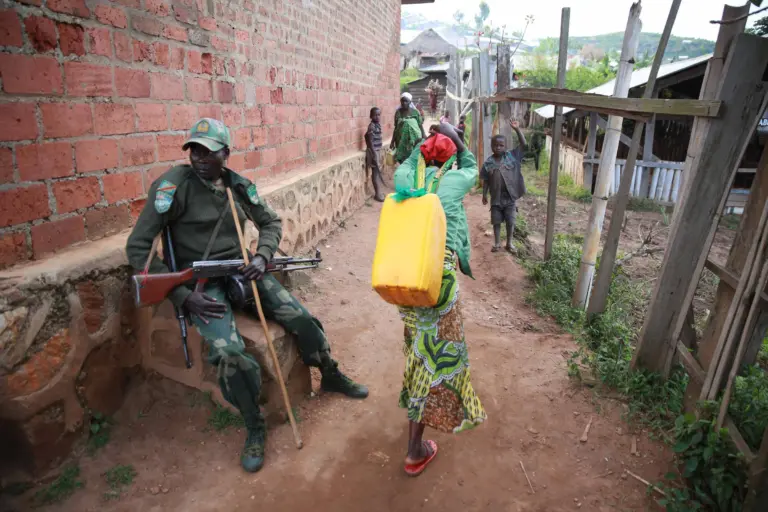
A Congolese army soldier with a rifle sits on guard beside a brick wall in a village in North Kivu as a woman carries a water container past.

News · Analysis

Mineral-for-security deals test African control over extraction

Mineral-for-security deals spreading from Congo to the Sahel fuse protection and extraction into one system designed by the buyer, and unless they commit partners to processing on African soil and keep forces under national command, they secure the least valuable link for the seller.

Victoria Akindele ·

Presidents Paul Kagame, Donald Trump and Félix Tshisekedi stand together at the Washington Accords signing ceremony

World

Congo’s Washington agreements face questions about minerals and legal authority

The December 2025 Washington Accords came with a US agreement giving American investors first offer on Congolese mineral assets. Seven months on, UN experts say Rwandan forces remain, M23 holds Goma and Bukavu, and petitioners argue in Congo's Constitutional Court that the deal breaches the constitution.

Alao Abiodun ·

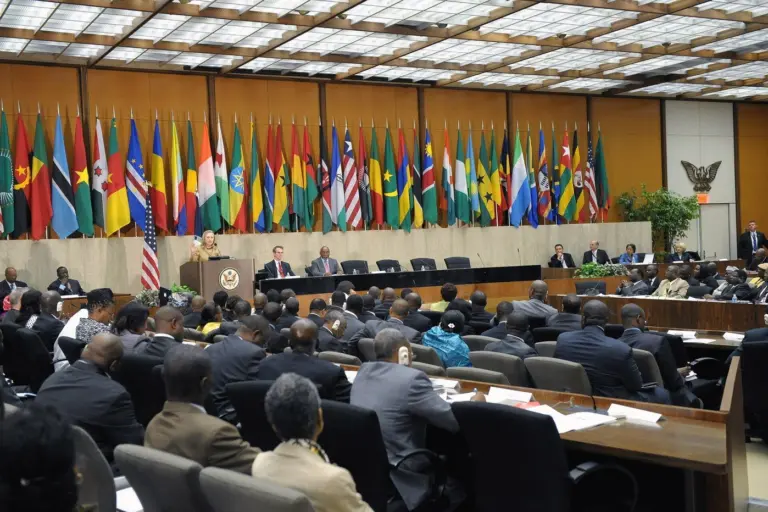
Delegates seated in a conference hall lined with African flags during a session of the AGOA forum

Economics

AGOA’s short extension leaves African exporters facing uncertainty

Washington is replacing AGOA's open-ended trade preference with tariffs and minerals-for-access deals that reward American supply chains, and African states negotiating one by one face the US from weakness unless they bargain as a bloc and insist on processing at home.

Kiraithe Daniel Mutemi ·

The statue of Patrice Lumumba, arm raised, stands on its monument above broad steps in Kinshasa.

Culture

Patrice Lumumba’s legacy and Congo’s unfinished sovereignty

Patrice Lumumba's removal in 1961 created a sovereignty debt that still compounds in Congo, where each intervention weakened the institutions self-rule requires and left a state unable to set the price of the cobalt underwriting the energy transition.

Victoria Akindele ·

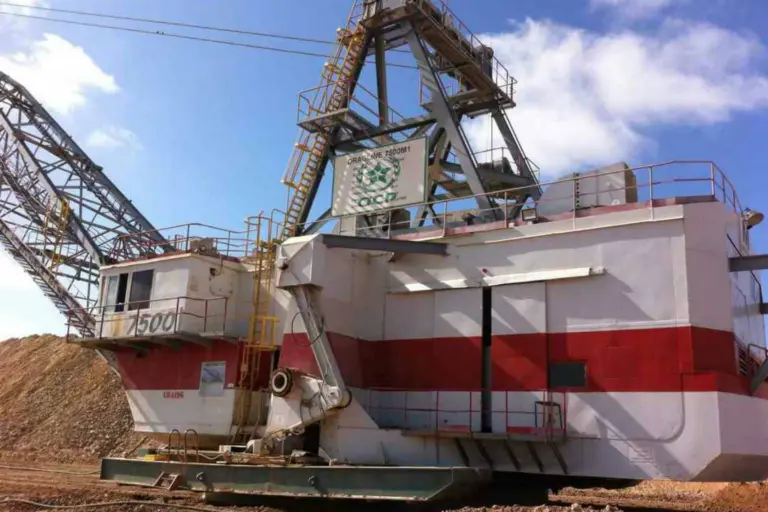
A huge OCP dragline excavator stands in the phosphate mine at Benguerir, Morocco.

Economics

Morocco’s phosphate reserves give it influence in fertiliser markets

Morocco, with the disputed territory of Western Sahara that it administers, holds the majority of the world's known phosphate rock reserves, and OCP Group has built downstream processing around them. That gives Morocco structural influence over fertiliser inputs and a model for other mineral exporters.

McDike Dimpka ·

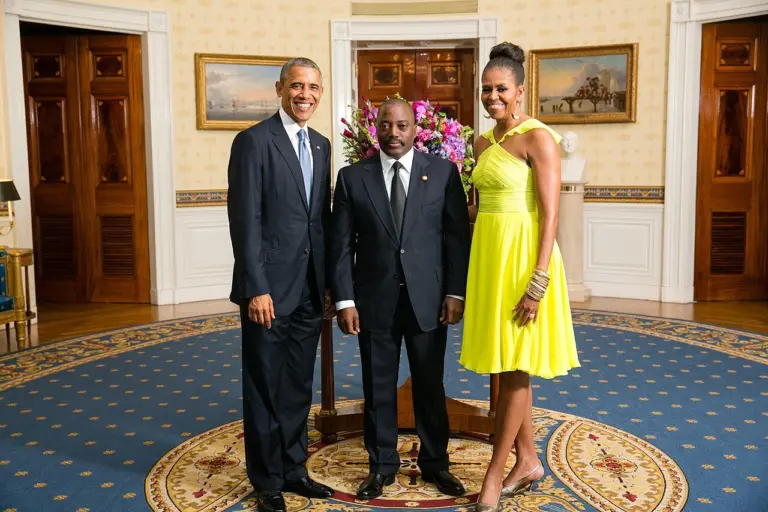
Joseph Kabila stands with Barack Obama and Michelle Obama at the White House in 2014.

News

US sanctions Joseph Kabila over alleged support for Congo rebels

The US Treasury's sanctions on former president Joseph Kabila on 30 April 2026, over alleged support for M23 and the Congo River Alliance, target one node in eastern Congo's conflict economy. The wider system of fragmented territorial control and mineral supply chains that tolerate instability remains standing.

McDike Dimpka ·

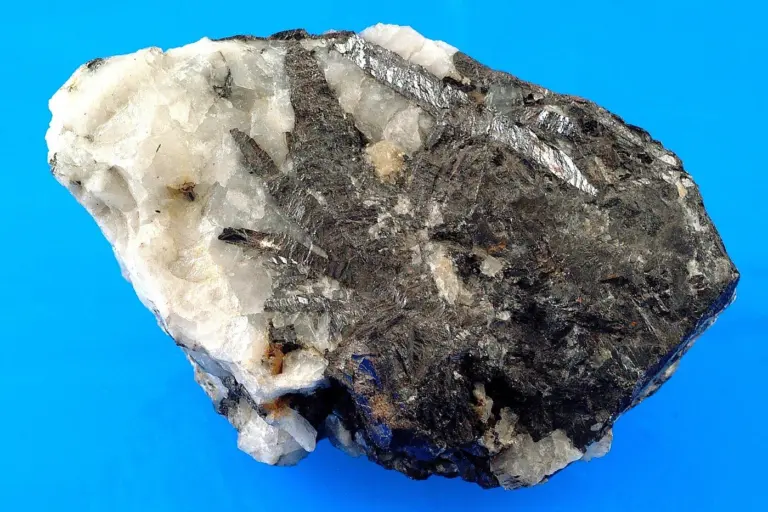
A mineral specimen containing wolframite and quartz.

Economics

Defence mineral demand offers Africa opportunities with limits

Defence demand for tungsten and tantalum gives Africa a second form of mineral leverage beside the energy transition, yet it remains largely unclaimed. Without coordinated negotiation, buyers seeking supply guarantees may extract security concessions rather than fair processing deals, repeating the pattern of value captured elsewhere.

Ebenezer Makinde ·

Earlier in Critical minerals

Lab-grown diamonds challenge Africa’s position in the value chain

Lab-grown diamonds, with one-carat stones falling from about $3,000 in 2020 to under $500 by 2024, hit the mid-market segment that funds Botswana and Angola. The disruption exposes Africa's exclusion from cutting, branding and retail, a warning for how critical minerals are governed.

Ebenezer Makinde

Africa’s mineral processing ambitions need more than export restrictions

Africa extracts minerals such as tungsten, cobalt and platinum group metals but leaves processing and its margins to other economies. Indonesia's 2020 nickel ore export ban shows that political will matters, yet African beneficiation also needs power, infrastructure, capital and mining agreements with royalties that reflect real mineral value.

Alao Abiodun

Climate finance promises leave Africa with a delivery test

COP29 set a goal of at least $300 billion a year in climate finance by 2035, but the mix of grants, loans and private money will decide what reaches African states. African climate diplomacy holds leverage in critical minerals that it has barely used.

Adedoyin Shittu

Africa’s strategic resources require more coordinated bargaining

Africa sits beside contested Red Sea routes, holds critical mineral reserves and draws competition from the UAE, Saudi Arabia, Russia and China, yet bargains weakly. With 54 UN votes, what it lacks is coordination built on diversified economies, regional trade and accountable institutions.

Victoria Akindele

Zambia’s mineral strategy tests the link between investment and industrial growth

Zambia is moving from a debt-distress story to a strategic minerals state, courted through rival Lobito and TAZARA corridors and AI-assisted exploration. Strategic importance is not the same as industrial leverage, and the test is whether Zambia moves further up the copper value chain while attention lasts.

Michael Chisamba

Critical minerals raise the stakes of Africa’s transport corridors

Africa's copper routes, rail corridors and ports are now treated as industrial-security assets by Washington and Beijing. The Lobito Corridor shows the stakes. Its value depends on whether the governments along the line write processing and local content into its terms.

Ebenezer Makinde

China’s TAZARA plans add competition for mineral transport

China's push to rehabilitate the TAZARA railway would strengthen an Indian Ocean route for Zambian copper and set up a rival axis to the Atlantic-facing Lobito Corridor. Whether Tanzania and Zambia gain lasting leverage depends on industrial depth, not on traffic alone.

Ebenezer Makinde

AGOA’s uncertain renewal exposes a shift in US priorities in Africa

With AGOA renewal unresolved four months before the 30 September 2025 expiry, Washington's money was flowing to mineral corridors such as Lobito. The contrast shows US policy moving from market integration towards resource security, leaving African manufacturers without the certainty they need.

Kiraithe Daniel Mutemi