Opens in a new tab

Section

Culture

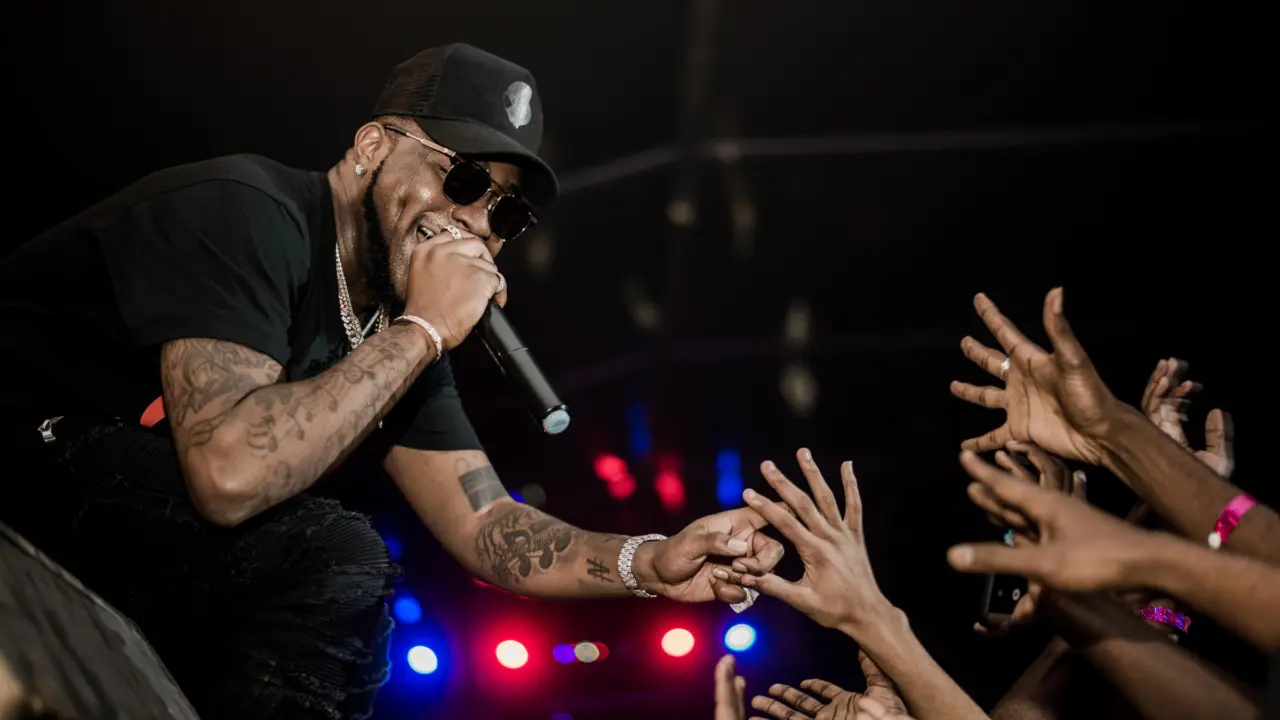
Davido, in a black cap and sunglasses, sings into a microphone while leaning from the stage to touch the outstretched hands of fans at a concert in Tanzania.

Culture and creative economy

Afrobeats’ global success raises questions about music rights

Afrobeats has won global reach, but the rights to its biggest catalogues increasingly sit with majors in London, New York and Los Angeles, and Africa will turn influence into lasting wealth only by building its own labels, publishers and collection societies.


By Aderonke Ajibade · · 5 min read

Latest in Culture

Rows of Benin Bronze plaques mounted on poles in a gallery at the British Museum.

Culture and creative economy

Returning Benin Bronzes raises questions about ownership and public access

The return of looted Benin Bronzes has exposed a harder restitution question. A 2023 proclamation vesting ownership in the Oba of Benin, not Nigeria's national museum commission, shows that giving objects back does not settle who holds legitimate custody.

Victoria Akindele ·

The statue of Patrice Lumumba, arm raised, stands on its monument above broad steps in Kinshasa.

Critical minerals

Patrice Lumumba’s legacy and Congo’s unfinished sovereignty

Patrice Lumumba's removal in 1961 created a sovereignty debt that still compounds in Congo, where each intervention weakened the institutions self-rule requires and left a state unable to set the price of the cobalt underwriting the energy transition.

Victoria Akindele ·

Tyla sings into a microphone while seated on a graffiti-painted stage platform, flanked by two dancers under blue stage lighting.

Culture and creative economy

Africa’s live music business needs venues and production capacity

Afrobeats and Amapiano dominate global playlists, but Africa lacks the missing middle of venues, promoters, trusted ticketing, technical crews and insurance that turns popularity into a durable live economy. Without it, the value of African music is captured largely in foreign arenas.

Victoria Akindele ·

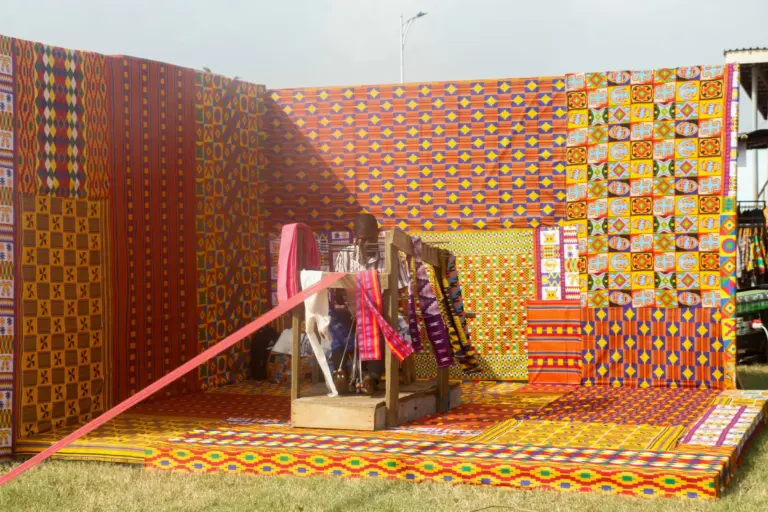
Ghanaian weaver at a traditional kente loom surrounded by colourful kente cloth panels

AfCFTA and trade

African fashion’s growth depends on more than design visibility

African fashion has won international visibility, but much of the value chain beneath the runway, from spinning and weaving to finance, logistics and scaled manufacturing, sits outside the continent. Treating fashion as industrial policy, using the continental trade area, is how cultural influence becomes captured value.

Victoria Akindele ·

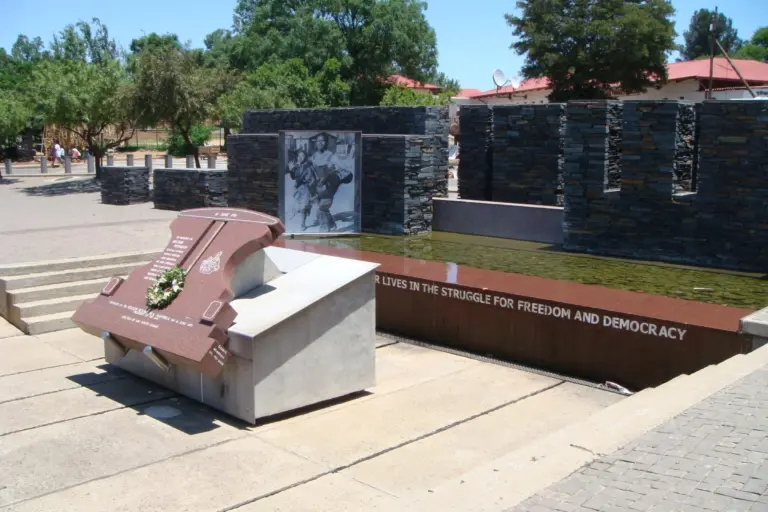
The Hector Pieterson Memorial in Soweto commemorating the 1976 student uprising

History and identity

Soweto’s legacy and the language of opportunity in South Africa

Half a century after the Soweto uprising against Afrikaans instruction, South Africa recognises twelve official languages, but thin resourcing of mother-tongue teaching still pushes many pupils into English before they are ready, linking the language of schooling to youth exclusion from the labour market.

Victor Kekereekun ·

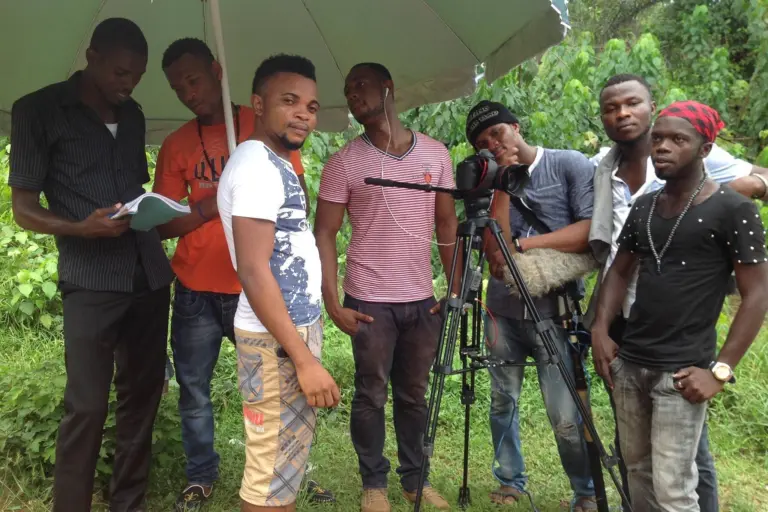
A Nollywood cast and crew gather round a camera on a tripod on location near Awka, Nigeria.

Culture and creative economy

Nollywood’s global reach depends partly on platforms it does not own

Nollywood is one of the world's most prolific film industries, yet foreign streaming platforms that control viewing data and recommendation algorithms shape which Nigerian films travel. Converting a proven domestic audience into ownership of distribution is the industry's unfinished task.

Aderonke Ajibade ·

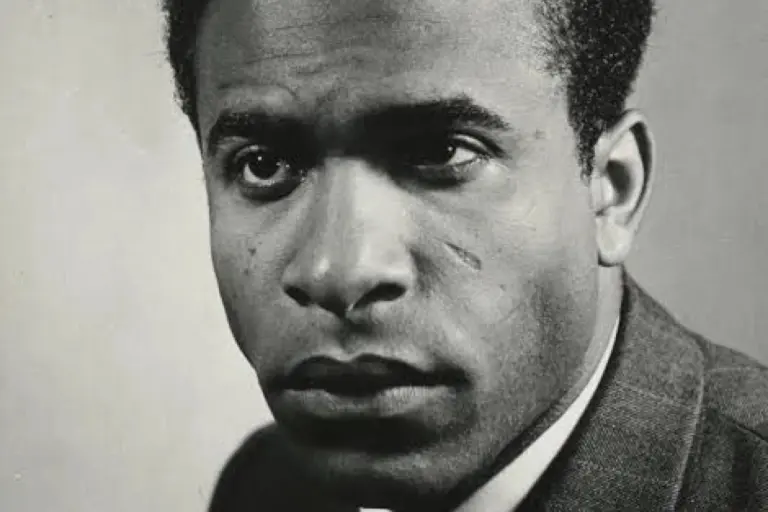
A black-and-white portrait of Frantz Fanon in a suit and tie.

History and identity

Frantz Fanon’s radical humanism and the limits of nationalism

Frantz Fanon is often remembered for his writing on revolutionary violence, but the core of his work is a radical humanism. He warned that post-independence elites could reproduce colonial exclusion, and insisted that liberation needs economic justice, participation and the restoration of human dignity.

Aderonke Ajibade ·

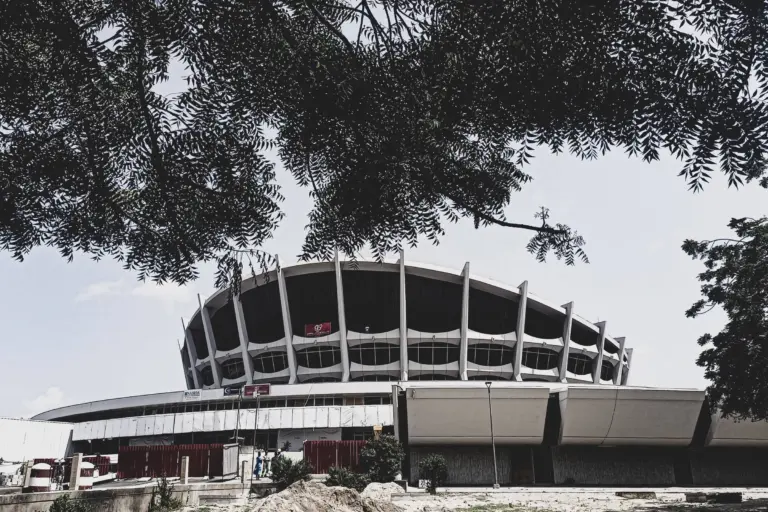
The National Theatre in Lagos, its curved concrete roof framed by overhanging tree branches

Culture and creative economy

Africa’s cultural reach grows faster than its control of distribution

African music, film and fashion now shape global culture, but distribution, rights and revenue still largely sit outside the continent, with streaming platforms, Netflix contracts and foreign agencies capturing much of the value. Turning cultural reach into economic sovereignty requires African-owned infrastructure and capital.

Alao Abiodun ·

Earlier in Culture

Francis’s legacy leaves Africa with a question about Church authority

Pope Francis moved the papacy's moral language towards Africa's concerns, from colonial extraction to economic justice, but left the Curia, canon law and Vatican finances centred on Europe. Whether Africa's demographic weight becomes structural authority in the Church is the question his death left to Leo XIV.

Aderonke Ajibade

Africa’s Catholic growth gives the Vatican a test of representation

As Pope Leo XIV begins his first African journey, Vatican geopolitics in Africa rests on 288.3 million Catholics, now more than in Europe. Their bishops seek a share in how Rome governs, and the Church's schools, hospitals and diplomatic network make it a political actor in its own right.

Aderonke Ajibade

Ending child marriage requires changes in law and household security

Child marriage in Africa persists because poverty turns a daughter's marriage into a source of resources for desperate households. In Nigeria, 58 per cent of girls from the poorest households marry before 18, against four per cent from the wealthiest, and Rwanda shows that schooling and enforced laws reduce it.

Victoria Akindele

Biafra and the struggle for identity in Nigeria

The demand for Biafra is less about secession than about what Nigeria has failed to become. Declared in 1967 without the consent of all the Eastern Region's peoples, it now draws on South-East grievances over federal neglect, while Nnamdi Kanu's detention has deepened IPOB's appeal.

McDike Dimpka

Ayi Kwei Armah’s critique of post-independence disillusionment

Ayi Kwei Armah's 1968 portrait of post-independence Ghana diagnosed captured institutions rather than bad individuals, which is why it has not dated. The same logic now runs through debt service, extractive mining deals and reformers who govern as system-maintainers, from Kenya to Nigeria.

Aderonke Ajibade

Gbemisola Adeoti’s ‘Ambush’ offers a lens on political power

Gbemisola Adeoti's poem Ambush reads as a diagnosis of political power in Africa, where promise is intercepted by extraction, youth are treated as threats and coercion disciplines dissent. The poem is a warning rather than a surrender, exposing the mechanics of power so they can be resisted.

Victoria Akindele

South Africa’s sporting success leaves a test of access and opportunity

South Africa's four Rugby World Cup titles and Siya Kolisi's captaincy show real change, yet school sport remains stratified by race and class and media revenue rarely reaches grassroots development. Sporting success can symbolise transformation but cannot substitute for land, education and capital.

Victor Kekereekun

Kenya’s athletics future depends on institutions as well as athletes

Kenya athletics rests on training environments, coaching networks and economic incentives rather than presumed physiology. Its future depends on funded anti-doping systems, accountable federations and a fairer share of prize money for runners who can lose more than half of it before it reaches Kenya.

Victor Kekereekun

Will Rome give Africa’s growing Catholic population greater authority?

Africa's Catholic population, about 280 million people, is the Church's fastest-growing, yet African cardinals remain a minority and African dioceses depend on subventions from wealthier churches. Turning numerical weight into authority will depend on African Catholics building institutional capacity of their own.

Aderonke Ajibade

Africa’s creative industries need stronger financial and legal support

Africa's creative industries, from Afrobeats to Nollywood, generate revenue, jobs and soft power, yet much of their value is captured offshore by platforms, labels and licensing desks. Stronger intellectual property enforcement, royalty collection and creative finance would turn a leaking export into a retained asset.

McDike Dimpka