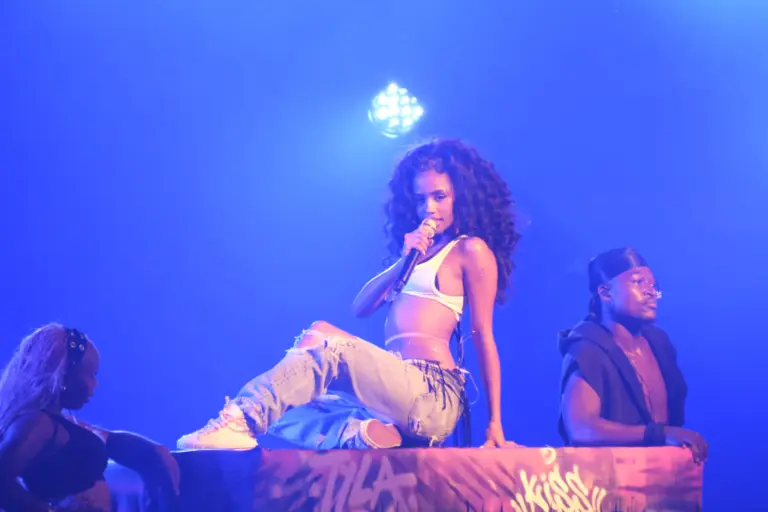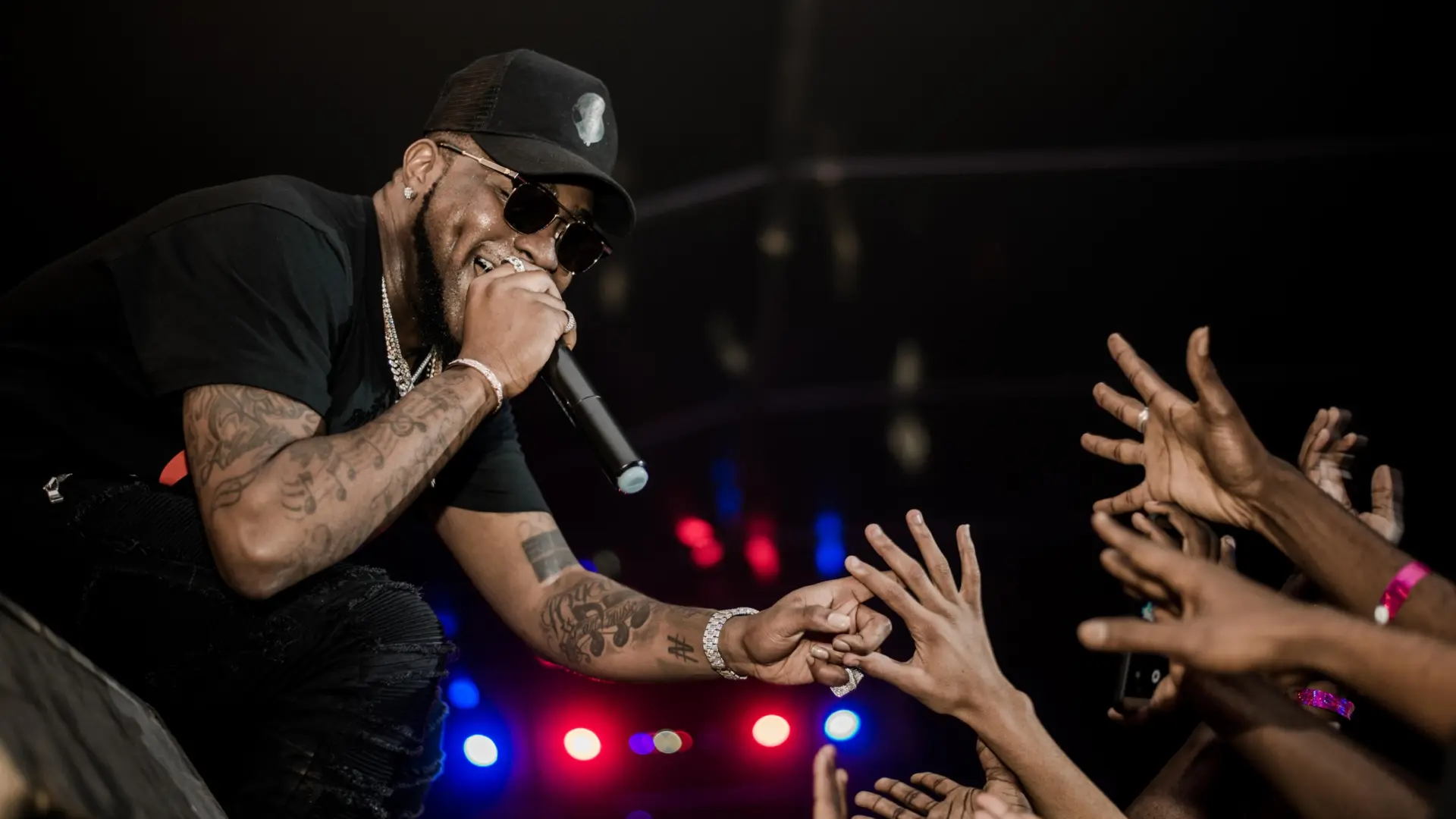
A Nigerian song plays in a Los Angeles gym, a São Paulo nightclub, a Seoul advertisement, and somewhere a rights-holder is paid. The striking thing about that last clause is how often the rights-holder is not Nigerian. Afrobeats has become one of the most successful cultural exports the continent has produced, a sound that carries the image of Lagos into rooms that once imagined Africa only as a subject of charity. Yet the machinery that owns and monetises that sound has been assembling itself, deal by deal, in the offices of the global majors. The culture is unmistakably African. The control over it, increasingly, is not.
Fame and ownership
Soft power is usually measured in visibility, and by that measure Afrobeats is a triumph. Its biggest names sell out arenas across three continents, top charts far from home, and headline festivals that a generation ago would not have booked an African act outside a world-music sidebar. But visibility and ownership are different currencies. The leading Afrobeats artists have signed agreements with companies headquartered in London, New York and Los Angeles, arrangements whose control of recordings, compositions and synchronisation permissions (the permissions that let a song appear in a film, a game or an advertisement) varies by contract. Where those rights pass to the label, decisions about where the music goes move offshore along with the value.
The relationship between Afrobeats and Nollywood shows the mechanism. A Nigerian filmmaker who wants a hit Afrobeats track for a Nigerian film may have to clear it with a rights-holder abroad and pay accordingly. Two products of the same city, expressions of the same culture, can meet each other across a licensing desk in another country. That is soft power generated locally and capitalised elsewhere: a value chain in which the place that creates the culture is not the place that owns it.
Why artists sign international deals
It would be dishonest to present these deals as simple exploitation, because from the individual artist’s chair they often look like the opposite. A major’s advance is real money now, delivered against an uncertain future; its global distribution reaches markets an independent Lagos label cannot; its marketing turns a regional star into a global one. An artist who signs is making a rational trade, exchanging a share of long-term ownership for immediate capital and worldwide reach. The problem is not that any single artist made a bad choice. It is what the aggregate of those rational choices produces: a body of work, created in Africa and central to Africa’s global image, whose ownership has been steadily externalised. The micro-decision is sound. The macro-outcome is a continent that rents out its own voice.
The micro-decision is sound. The macro-outcome is a continent that rents out its own voice.
Rights and economic influence
The significance of ownership becomes clear when you ask what soft power is for. Cultural influence is valuable to a nation not as applause but as leverage, the ability to shape narratives, build industries and convert admiration into investment, tourism and durable economic capacity. That conversion runs through ownership. A country that owns the rights to its cultural output captures the revenue when that output is licensed, builds the publishing and management firms that employ the next generation, and accumulates the institutional strength to negotiate. A country that produces the talent and watches the rights migrate abroad gets the applause and forfeits the leverage. The hip-hop economy that reshaped American cultural power did so not only because the music was good but because the ownership structures, however contested, ultimately built American firms, American catalogues and American wealth. Afrobeats is winning the influence and losing the infrastructure.
It is tempting to celebrate every arena tour and streaming record as an African victory, and at the level of visibility it is one. But a soft-power reading that stops at visibility mistakes the symptom of strength for the substance. The substance is in the unglamorous machinery: the publishing houses, the collection societies that make sure a royalty generated in one country reaches the creator in another, the rights-management firms, the sync agencies, the legal capacity to structure a deal in the artist’s favour. That machinery is thin on the continent, and its thinness is why the majors can offer terms that transfer ownership so smoothly. The gap is not talent. It is the ownership infrastructure that would let the talent keep what it creates.
Building local rights-management capacity
The corrective is not to wish the majors away, which is neither possible nor entirely desirable, but to build African institutions that can compete for the rights before they leave. That means African-owned labels with the capital to make competitive offers, African publishing and sync agencies that can place a song globally without ceding control of it, collection societies robust enough to track and repatriate royalties, and legal expertise deep enough that no young artist signs away a catalogue without understanding what it will be worth in a decade. It also means the state treating the creative economy as strategic infrastructure rather than as entertainment.
Afrobeats has done the hardest part, which is to make the world want the sound. That demand is the scarce, hard-won asset, and it is African-made. What remains is to ensure the continent owns the channels through which the demand is monetised, so that the next decade of African music builds African wealth and African institutions rather than catalogues held on other continents. The songs came from Lagos. Whether the fortune and leverage they generate also stay close to Lagos is not a question about art. It is a question about who signs, who owns, and who has built the machinery to keep what the world now wants.