Opens in a new tab

Topic

Culture and creative economy

Music, film, literature, fashion, sport, Nollywood, Afrobeats

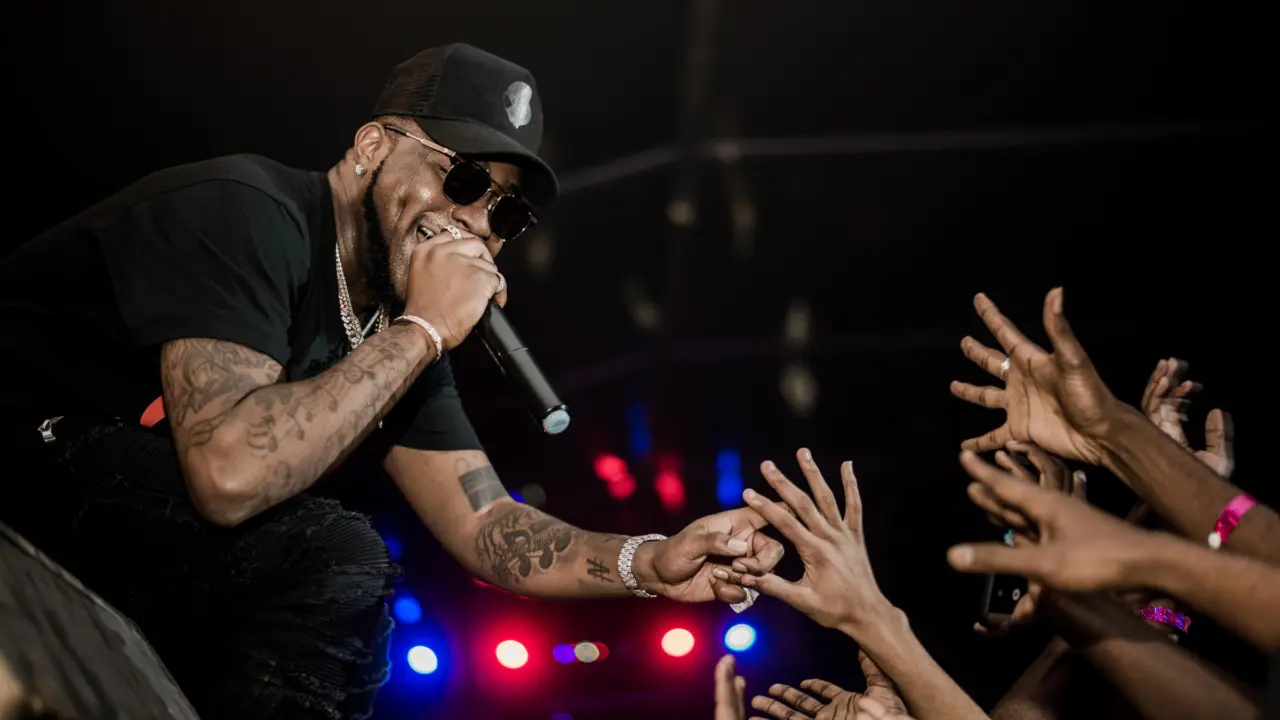
Davido, in a black cap and sunglasses, sings into a microphone while leaning from the stage to touch the outstretched hands of fans at a concert in Tanzania.

Culture

Afrobeats’ global success raises questions about music rights

Afrobeats has won global reach, but the rights to its biggest catalogues increasingly sit with majors in London, New York and Los Angeles, and Africa will turn influence into lasting wealth only by building its own labels, publishers and collection societies.


By Aderonke Ajibade · · 5 min read

Latest in Culture and creative economy

Tyla sings into a microphone while seated on a graffiti-painted stage platform, flanked by two dancers under blue stage lighting.

Culture

Africa’s live music business needs venues and production capacity

Afrobeats and Amapiano dominate global playlists, but Africa lacks the missing middle of venues, promoters, trusted ticketing, technical crews and insurance that turns popularity into a durable live economy. Without it, the value of African music is captured largely in foreign arenas.

Victoria Akindele ·

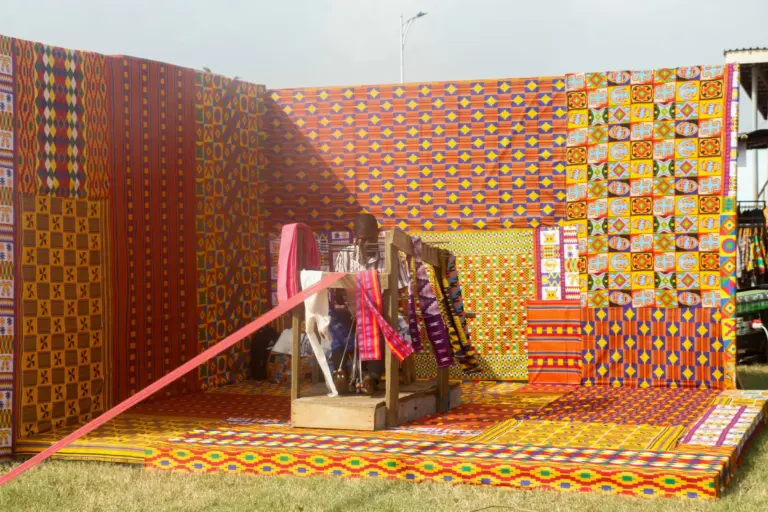
Ghanaian weaver at a traditional kente loom surrounded by colourful kente cloth panels

Culture

African fashion’s growth depends on more than design visibility

African fashion has won international visibility, but much of the value chain beneath the runway, from spinning and weaving to finance, logistics and scaled manufacturing, sits outside the continent. Treating fashion as industrial policy, using the continental trade area, is how cultural influence becomes captured value.

Victoria Akindele ·

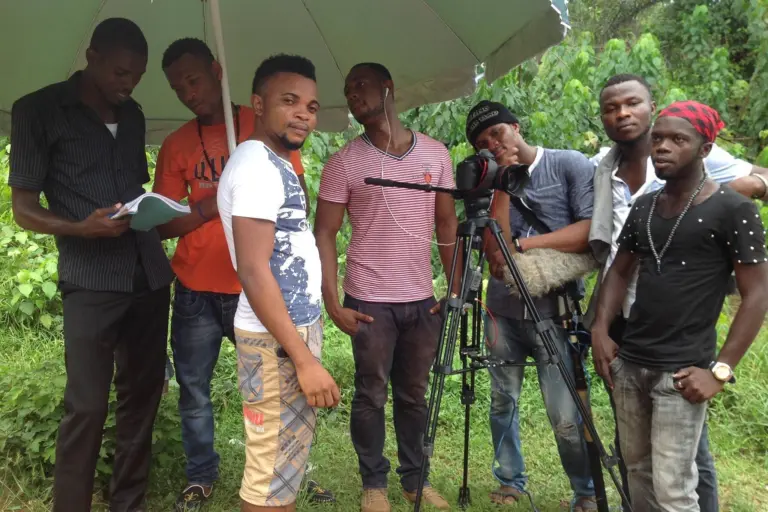
A Nollywood cast and crew gather round a camera on a tripod on location near Awka, Nigeria.

Culture

Nollywood’s global reach depends partly on platforms it does not own

Nollywood is one of the world's most prolific film industries, yet foreign streaming platforms that control viewing data and recommendation algorithms shape which Nigerian films travel. Converting a proven domestic audience into ownership of distribution is the industry's unfinished task.

Aderonke Ajibade ·

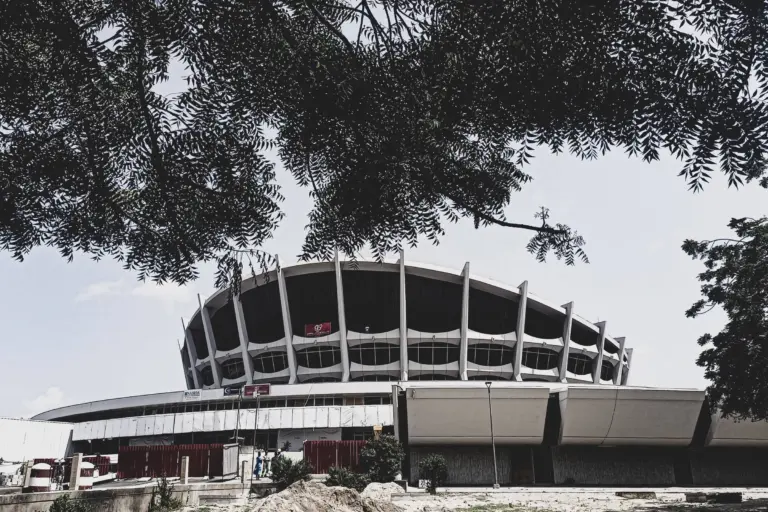
The National Theatre in Lagos, its curved concrete roof framed by overhanging tree branches

Culture

Africa’s cultural reach grows faster than its control of distribution

African music, film and fashion now shape global culture, but distribution, rights and revenue still largely sit outside the continent, with streaming platforms, Netflix contracts and foreign agencies capturing much of the value. Turning cultural reach into economic sovereignty requires African-owned infrastructure and capital.

Alao Abiodun ·

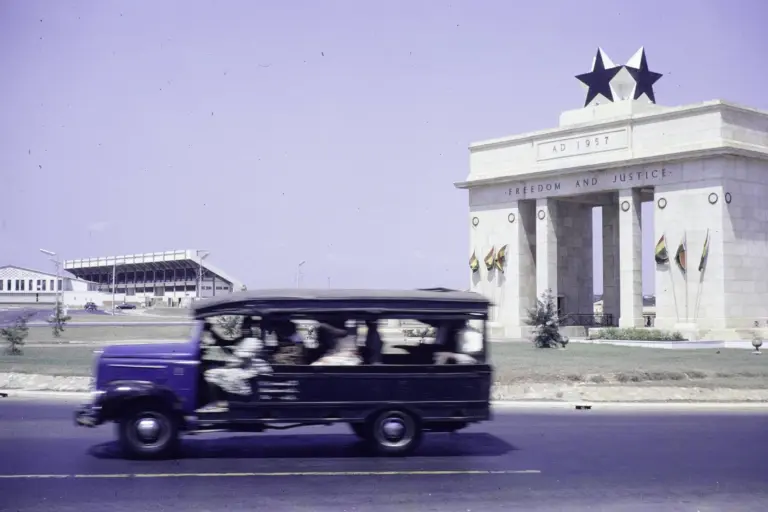
1962 colour photo of a passenger lorry passing Accra's Independence Arch, inscribed AD 1957 Freedom and Justice.

Culture · Insight

Ayi Kwei Armah’s critique of post-independence disillusionment

Ayi Kwei Armah's 1968 portrait of post-independence Ghana diagnosed captured institutions rather than bad individuals, which is why it has not dated. The same logic now runs through debt service, extractive mining deals and reformers who govern as system-maintainers, from Kenya to Nigeria.

Aderonke Ajibade ·

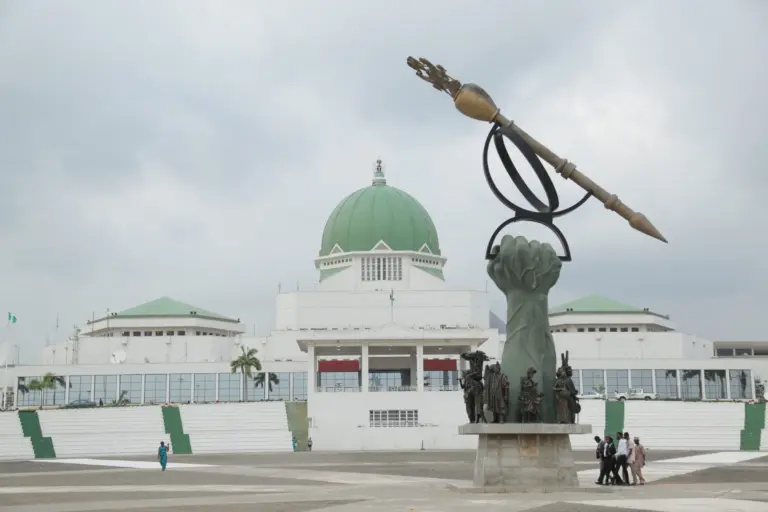
A ceremonial mace sculpture stands outside Nigeria’s National Assembly.

Culture · Insight

Gbemisola Adeoti’s ‘Ambush’ offers a lens on political power

Gbemisola Adeoti's poem Ambush reads as a diagnosis of political power in Africa, where promise is intercepted by extraction, youth are treated as threats and coercion disciplines dissent. The poem is a warning rather than a surrender, exposing the mechanics of power so they can be resisted.

Victoria Akindele ·

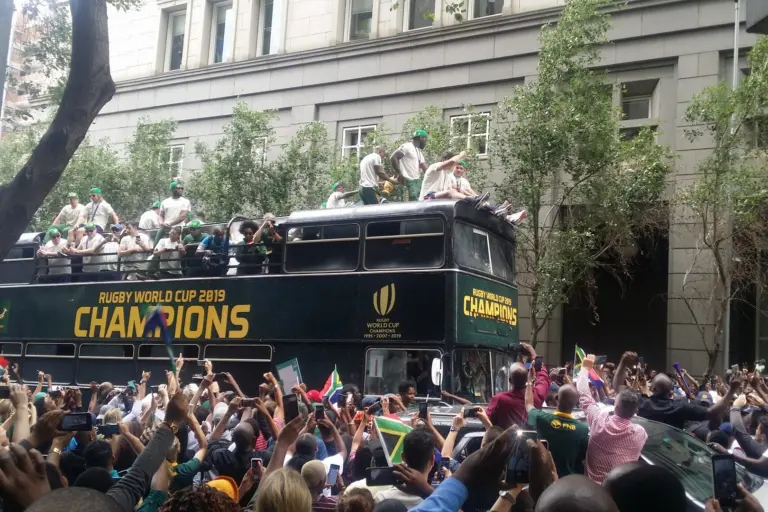
Springbok players on an open-top Rugby World Cup 2019 Champions bus above a crowd waving South African flags in Johannesburg.

Culture

South Africa’s sporting success leaves a test of access and opportunity

South Africa's four Rugby World Cup titles and Siya Kolisi's captaincy show real change, yet school sport remains stratified by race and class and media revenue rarely reaches grassroots development. Sporting success can symbolise transformation but cannot substitute for land, education and capital.

Victor Kekereekun ·

Earlier in Culture and creative economy

Kenya’s athletics future depends on institutions as well as athletes

Kenya athletics rests on training environments, coaching networks and economic incentives rather than presumed physiology. Its future depends on funded anti-doping systems, accountable federations and a fairer share of prize money for runners who can lose more than half of it before it reaches Kenya.

Victor Kekereekun

Africa’s creative industries need stronger financial and legal support

Africa's creative industries, from Afrobeats to Nollywood, generate revenue, jobs and soft power, yet much of their value is captured offshore by platforms, labels and licensing desks. Stronger intellectual property enforcement, royalty collection and creative finance would turn a leaking export into a retained asset.

McDike Dimpka

Afrobeats and mobile money are expanding Africa’s cultural economy

Sub-Saharan Africa was the fastest-growing music market in 2024, with recorded revenues up more than 22 per cent, while mobile money passed 2 billion registered accounts globally. Whether that cultural and financial momentum becomes household prosperity depends on ownership, contracts, payment rails and governance.

Michael Chisamba

Ethiopia’s running legacy depends on investment beyond its champions

Ethiopia's distance-running legacy grew from altitude, a running culture and institutions that developed talent. Strained by the Tigray conflict and by runners switching nationality, it now depends on investment in camps, coaching, athlete welfare and administration.

Victor Kekereekun

Africa’s diversity should shape how its countries are understood

Treating Africa's 54 states as a single country obscures differences in institutions, histories, languages and economic conditions that matter to reporting, policy and investment. Country-specific evidence should guide analysis, and regional cooperation can recognise that diversity rather than erasing it.

Joseph Isaac

Athlete migration raises questions about welfare and opportunity

When 13 African athletes went missing from their delegations at the 2018 Commonwealth Games, the focus fell on them rather than on the states they left. Weak pay, thin injury cover and politicised federations can make departure a rational calculation that loyalty campaigns cannot neutralise.

Victor Kekereekun

Nigeria’s sporting talent needs institutions that sustain success

Nigerian sport has an uneven record since the Atlanta 1996 Olympic golds because its institutions have not kept pace with its talent. Rotating leadership, an irregular National Sports Festival and policies left unimplemented explain more than any shortage of athletes.

Victor Kekereekun

Bob Marley’s Pan-Africanism used music as political expression

Bob Marley's Pan-Africanism was a coherent political argument delivered through music, from performing Zimbabwe at the country's independence celebrations in 1980 to setting Haile Selassie's 1963 UN speech to song in War. The conditions his songs described remain unresolved, which is why they still surface at protests.

Joseph Isaac

Conflict threatens the transmission of Dogon cultural knowledge

Conflict and displacement in central Mali threaten the Dogon Sigui, a ceremony tied to a roughly 60-year cycle through which knowledge passes between generations. Such cultural losses go unrecorded in the humanitarian and development statistics used to measure the Sahel's crisis.

Joseph Isaac

Football’s response to racism must address power as well as protocols

Football's anti-racism protocols leave untouched the power structures that make Black players vulnerable. Africa supplies talent to European leagues without proportional investment in return, Black leaders remain rare in clubs and federations, and real change needs representation, enforceable investment rules and stronger online enforcement.

Victor Kekereekun