When 13 African athletes went missing from their delegations at the 2018 Commonwealth Games in Australia, the response focused on the athletes. This analysis argues that the more useful focus is on the states they left. Weak pay, thin injury cover and politicised federations can make leaving a rational calculation, and that is a governance failure rather than a moral failure of individuals.
Eight of the athletes were from Cameroon, two from Sierra Leone and one each from Uganda, Ghana and Rwanda. They had competed under their national flags, in some cases after training at state expense. Missing from a team, overstaying a visa, seeking asylum and changing sporting nationality are different situations, and departure from a delegation alone does not establish motive or legal status. When the story broke, the framing was predictable: defection, disloyalty, the embarrassment of nations. A more honest framing asks what the athletes’ home systems had offered them to stay for.
What athletes compete against
The 2018 incident was not the first time athletes have left delegations at a Commonwealth Games. Many African athletes face opponents whose preparation included world-class equipment, sports medicine, professional coaching and the financial security of knowing that a career-ending injury would be managed rather than catastrophic. They compete for governments that have not built the infrastructure that would make their careers sustainable on the same terms.
Cameroon’s athletes left against the background of the Anglophone crisis, the armed conflict between Cameroonian security forces and English-speaking separatists in the Northwest and Southwest regions, which had deepened into a sustained emergency. For athletes affected by that conflict, physical safety could be a concern, but no individual motive should be inferred without testimony. The relevant question concerns state conditions, not national loyalty.
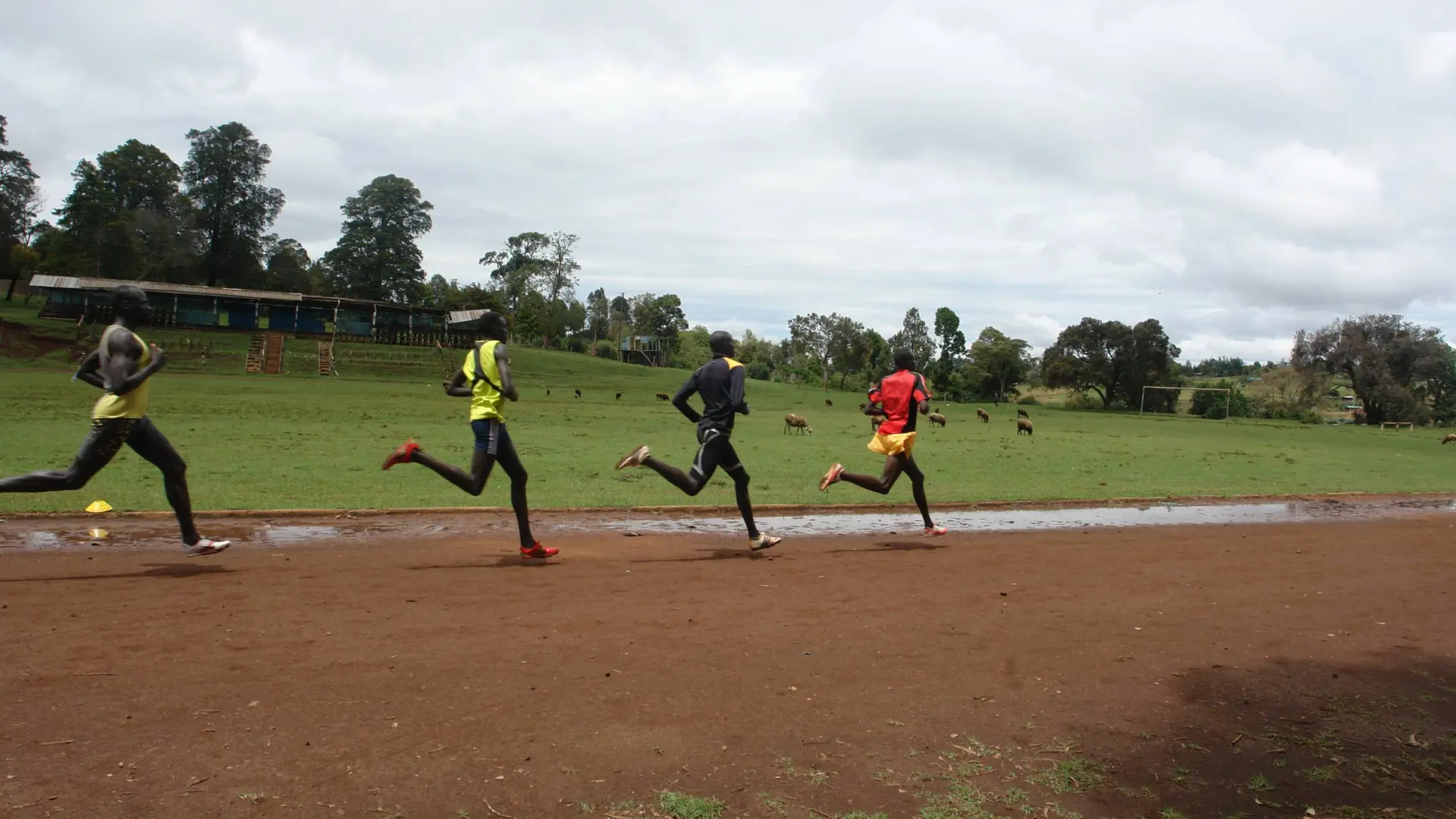
Kenya shows a different but related pattern. Some elite Kenyan distance runners have changed nationality to compete for wealthier states such as Qatar and Bahrain. The runners are not confused about their identity. They are clear about the economics. A runner who changes nationality can gain professional contracts, coaching support, appearance fees and a financial structure that Kenya’s national athletics system has not matched. The state that trained them, or more often the community that produced them without state investment, has no means of countering that calculation. Sporting nationality changes are governed by federation rules and should not be conflated with asylum or immigration status.
Three levels of failure
The governance failure operates at three levels. Where federations lack competitive pay and welfare systems, there is a structural incentive to leave that no loyalty campaign can neutralise. Where there is no injury insurance or post-career support, athletes who sustain career-ending injuries can face destitution in ways that athletes from better-resourced systems do not. And where administrative positions are allocated through political networks rather than technical merit, federations struggle to build the systems that would keep their athletes.
The irony is precise. These athletes acquired the international exposure and travel documents that made leaving possible through the states that then lost them. Where development occurred, public systems bore its cost. This is not a condemnation of the athletes. It describes what happens when states collect the patriotism of citizens without investing in the conditions that make patriotism a rational commitment rather than an emotional obligation.
The policy response is not complex in principle. States that want to retain athletic talent must build career structures that make staying economically competitive with leaving: professional salaries, genuine injury insurance, post-career transition support, and the sports infrastructure that lets athletes maintain the performance levels that justify those investments. What is lacking is not knowledge of the solution but the political prioritisation of sport as a field of sovereign investment rather than occasional national spectacle. States that treat their athletes as advertisement material during competition seasons and abandon them in the off-season should not be surprised when those athletes apply the same calculation to their relationship with the state.



