Opens in a new tab

From every section

Analysis

Analysis from every Africa 360° section: evidence-led examinations of policy, markets and power, and what they mean for the continent.

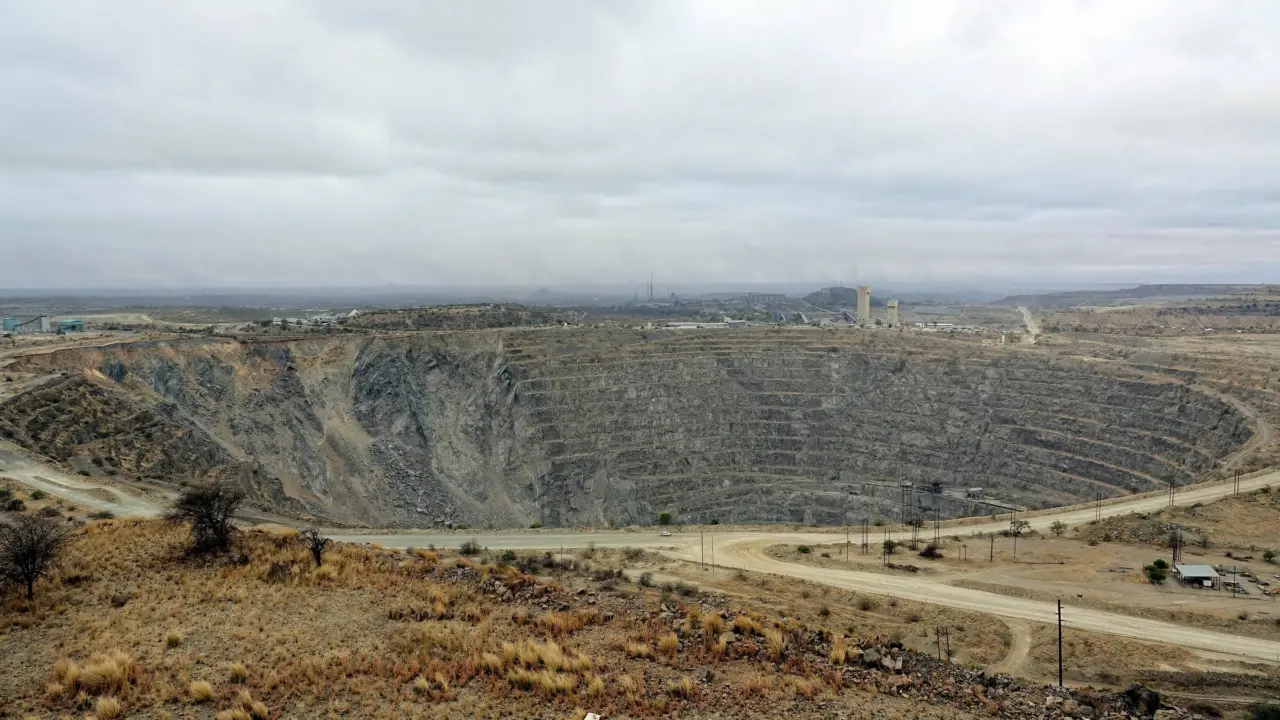
Terraced walls of the vast Palabora open pit mine at Phalaborwa, South Africa

Economics

Public finance helps advance African rare-earth projects

The US International Development Finance Corporation's $50 million equity support for the Phalaborwa rare-earth project puts public capital in at the feasibility stage, when processing and offtake terms are drafted. Host governments have the most leverage before a project becomes bankable, not at the construction decision.


By Adedoyin Shittu · · 3 min read

Latest in Analysis

Health worker in protective gear vaccinates a UN peacekeeper against Ebola at Pinga, North Kivu

News

Congo’s Ebola vaccine allocation exposes a gap in Bundibugyo protection

The Democratic Republic of Congo received 70,000 Ervebo doses in August 2026 against a Bundibugyo outbreak the vaccine is not licensed for. With 20,000 doses for a Phase 3 trial and 50,000 for frontline workers, the split exposes a gap in preparedness for other ebolaviruses.

Daniel Whyte ·

A baker arranges stacks of fresh flatbread on a rack in an Egyptian bakery.

News

Egypt’s Black Sea wheat dependence leaves private millers exposed

Egypt sourced more than 82 per cent of its wheat imports from Russia and Ukraine in the first half of 2026. A strong local harvest and state stocks protect subsidised bread, but private millers with thinner cover carry the exposure, and households pay through unsubsidised flour products.

Michael Chisamba ·

The Addis Ababa skyline, dominated by the Commercial Bank of Ethiopia headquarters tower.

News

Ethiopia’s bond deal pairs a principal cut with a future-financing option

Ethiopia's Eurobond restructuring pairs a 12 per cent principal cut, producing an 880 million dollar bond due in July 2029, with a New Money Warrant. Official creditors judged the terms comparable at that stage but reserved the right to seek compensation if the warrant proves excessively valuable.

Michael Chisamba ·

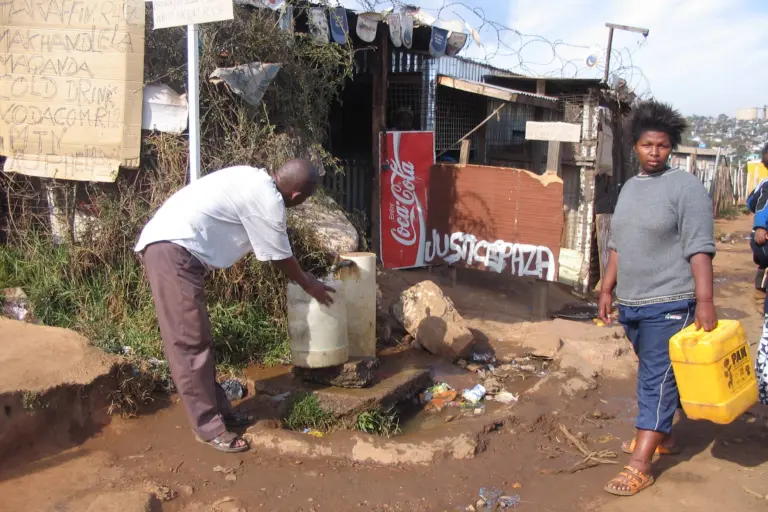
Residents collect water at a communal standpipe in Soweto, Johannesburg.

News

Johannesburg’s water failures reveal the unequal costs of poor services

Johannesburg loses about 655 million litres of water a day, roughly a third of supply, as households that can afford boreholes leave the network. The real test of South African reform is whether non-revenue water falls and municipal connections recover, not what national budget speeches promise.

Alao Abiodun ·

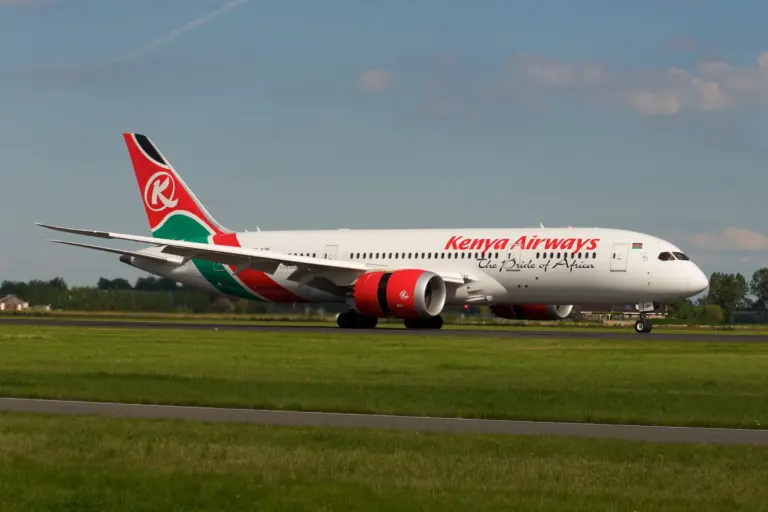
Kenya Airways Boeing 787-8 Dreamliner registration 5Y-KZF taxiing at Amsterdam Schiphol airport

News

Fuel costs put Kenya Airways’ thin margins under pressure

Kenya Airways says fuel has risen from about 40 per cent to 50–55 per cent of its operating costs amid Middle East disruption, against a reported net profit of about $1.50 per passenger seat. The airline offers a rare public readout of how a distant chokepoint feeds into Kenyan costs.

Kiraithe Daniel Mutemi ·

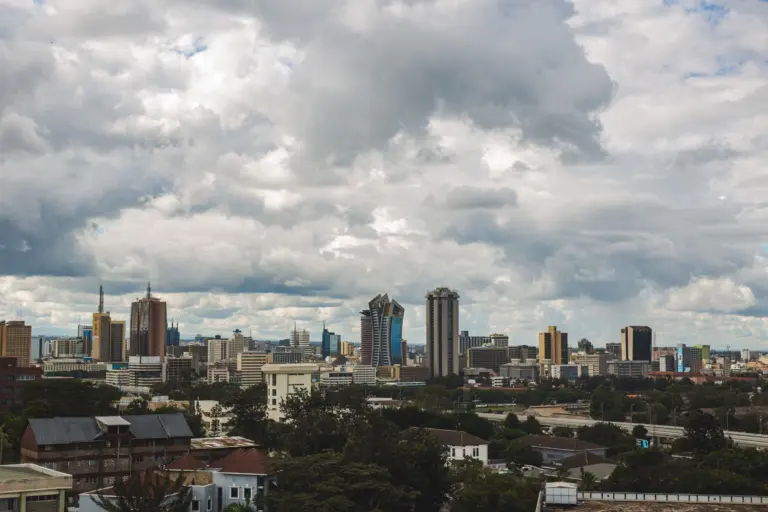
Nairobi city skyline with high-rise towers under heavy cloud, seen across low-rise buildings and trees

News

Kenya’s debt options carry costs beyond the headline rate

Kenya's external financing programme of about $5.4 billion for the year to June 2027 spans Eurobond, Samurai, panda and sukuk issues plus a $1 billion debt-for-food-security swap. With global yields rising, the test of each option is its full cost after fees, hedging and conditions.

Adedoyin Shittu ·

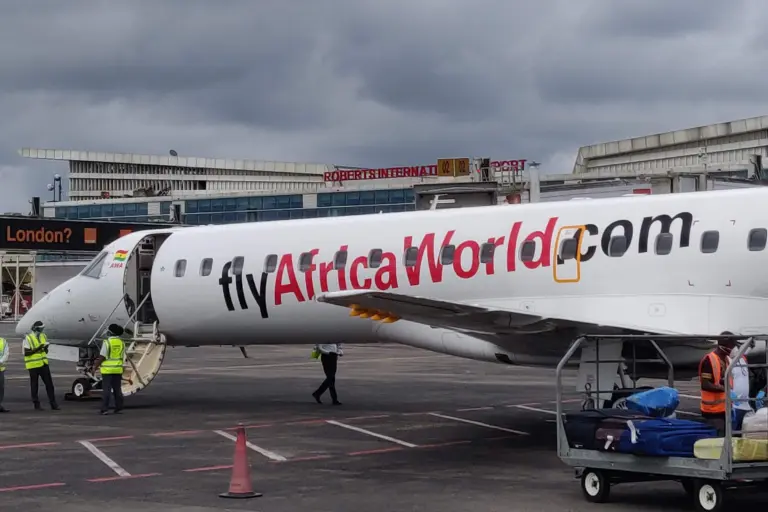
An Africa World Airlines jet stands on the apron at Roberts International Airport in Liberia, with ground staff, a baggage cart and the terminal sign behind it.

News

A diverted deportation flight tests third-country safeguards

Liberia has agreed to accept up to 1,200 third-country nationals from the United States over twelve months. When five passengers on the first flight refused to disembark and were flown on to Malabo, the case showed that protection depends on individual safeguards, not on bilateral destination deals.

McDike Dimpka ·

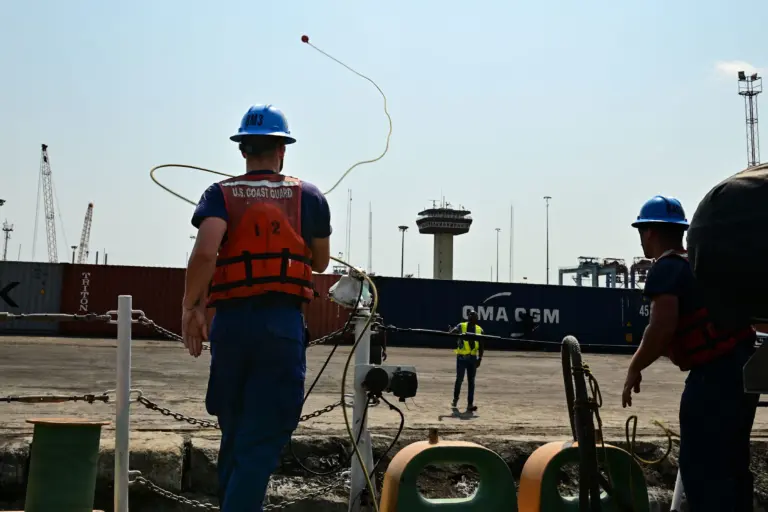
US Coast Guard crew in hard hats throw a mooring line as their cutter arrives at a Lagos port.

News

US Coast Guard lifts Nigeria’s port conditions of entry after twelve years

The US Coast Guard lifted its Nigeria conditions of entry on 19 August 2026, ending a penalty imposed in 2014 over deficient port governance rather than piracy. Four inspections preceded the decision, while the freight and insurance savings Nigerian officials expect remain forecasts.

McDike Dimpka ·

Earlier in Analysis

What McGovern’s Sahel sanctions letter asks Washington to do

Representative James McGovern's 12 August letter asks the State Department to sanction rights violators in Mali, Burkina Faso and Niger and to explain the February 2026 delisting of three Wagner-linked Malian officials. It is a request, not a designation, and Washington's leverage over the three military governments has weakened.

Michael Chisamba

Somalia’s clinic closures deepen a malnutrition emergency

UNICEF reported on 21 August 2026 that 205 health and nutrition facilities in Somalia had closed amid humanitarian funding cuts, while admissions of children with complicated severe acute malnutrition rose 32 per cent. As many as 618 facilities could close under severe funding scenarios.

Alao Abiodun

Tanzania’s installed power capacity exceeds peak demand

The Julius Nyerere Hydropower Project lifts Tanzania's installed capacity to 4,646 megawatts against peak demand of 2,271. That nameplate surplus becomes economic value only if transmission, industrial tariffs, export contracts and dry-season output turn it into reliable, affordable supply.

Alao Abiodun

Zambia’s election result leaves due-process questions over opposition arrests

Hakainde Hichilema won a second term with about 60 per cent of the vote, but the Zambia election arrests at challenger Brian Mundubile's house on counting night, where a former minister was killed, raise due-process questions that the margin cannot answer and that Volker Türk has asked the authorities to address.

Victoria Akindele

Electoral administration adds pressure to Ethiopia’s contested peace

The Pretoria agreement stopped the Tigray war by deferring who governs contested territory, and electoral administration in districts such as Alamata in Raya is now shaping that answer while renewed fighting in western Tigray raises the risk of escalation.

Adedoyin Shittu

Kenya’s recruitment cases expose the risks in overseas job promises

Kenya has reported 289 citizens recruited into the Russian military, with at least 69 dead or missing, and its choice to press Moscow rather than prosecute deceived recruits shifts attention to recruitment oversight, consular assistance and information for families.

Adedoyin Shittu

Unpaid health workers weaken Congo’s Ebola response

Health workers at the centre of Congo's Ebola outbreak in Ituri have not been paid since mid-May, and while payroll is not the sole cause of the outbreak's speed, reliable wages are part of the capacity that keeps treatment and surveillance running.

Daniel Whyte

A Saudi-led Red Sea coalition puts African command rights to the test

The Saudi-led maritime coalition announced in Riyadh on 30 July 2026 relies on African coastal states for ports and territory, but their membership becomes leverage only if founding rules on tasking, port access and refusal give them real authority.

Ebenezer Makinde

The Sahel’s ICC withdrawals test enforcement without erasing past jurisdiction

Rome Statute withdrawal by Niger, Mali and Burkina Faso, notified in June 2026, takes effect only in June 2027 under Article 127 and does not erase existing obligations or cases, so the real test is whether the three military governments cooperate with enforcement and offer victims credible justice at home.

Jamel Lahiani

Europe’s Sudanese gold ban depends on tracing trade beyond Sudan

The EU's 13 July 2026 ban on Sudanese-origin gold targets a major source of revenue for both of Sudan's belligerents, but because gold can be refined and mixed before reaching buyers, its effect depends on tracing origin through intermediaries and markets beyond Sudan.

Michael Chisamba