Egypt, the largest wheat importer in the world, sourced more than 82 per cent of its wheat imports from Russia and Ukraine in the first half of 2026. Those two countries have spent recent weeks attacking each other’s ports, grain terminals and vessels, shuttering loading facilities and forcing shippers to delay or cancel dozens of cargoes during the peak export season. Benchmark Chicago wheat futures have risen more than 17 per cent since the start of July, and buyers have turned to Australia, Argentina and North America for replacement supply at prices that reflect the scramble.
The immediate damage is smaller than that sequence implies, and the reason is worth stating before the alarm. Egypt has had a strong domestic harvest and the government has procured record volumes of local wheat. Morocco and Tunisia have also had better crops. North Africa is entering this disruption with more cover than it had in 2022, and the state granary is not empty. The exposure falls instead on private millers with thinner cover, and on the households that buy flour products outside the subsidy.
Public procurement and private imports carry different exposure to a supply shock. The state buys ahead, holds stock and can wait out a price spike. A private mill with thinner cover cannot, and it buys on different contract terms.
The state buys ahead, holds stock and can wait out a price spike. A private mill with thinner cover cannot.
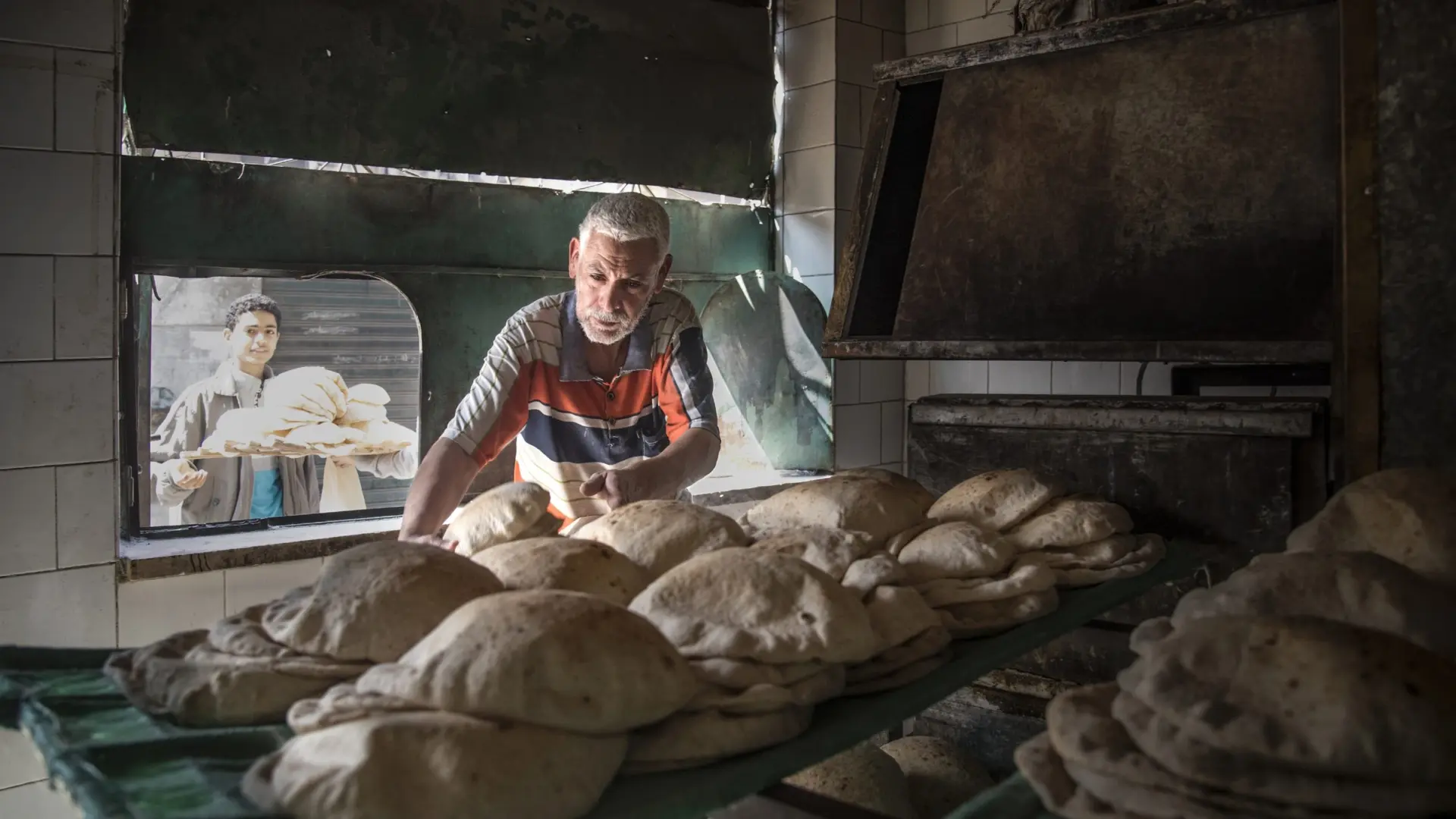
Egypt’s bread system runs on both channels at once. Subsidised bread is supplied through the state procurement chain and reaches tens of millions of people at an administered price. Unsubsidised bread, pasta, pastry and the flour sold to bakeries and households come largely through private importers and mills. A disruption that spares the first channel and hits the second does not produce an empty subsidised loaf. It produces a rising price on everything outside the subsidy, paid by households whose income has already been reduced by several years of currency depreciation and inflation.
Whether that happens depends on stocks, contracts, exchange rates and the government’s pricing decisions. A subsidised price that has not moved is not a promise that it cannot move.
The 82 per cent share points to concentration in suppliers exposed to a common region, even though Russia and Ukraine remain distinct markets. Freight distance, price and grain specifications help explain buyers’ choices. A concentration that is commercially attractive in normal conditions can still create exposure to disruption affecting both origins. Alternative origins can reduce that exposure, at a price that has to be assessed through actual offers, freight rates and contract dates. Diversification has an insurance value as well as a purchasing cost.
The fortnight’s disruption may ease. Ukraine has proposed a mutual halt to attacks on civilian Black Sea targets, and a good harvest elsewhere gives Egypt room that it did not have three years ago. The structural position is unchanged either way. Egypt will still import most of its wheat, most of it will still come from the Black Sea, and private millers may remain more exposed if their inventories and contract cover are thinner. The next disruption will find the same arrangement, and the state will again be able to protect the loaf it prices while the millers absorb everything else.