Opens in a new tab

Topic

North Africa

Egypt, Libya, Tunisia, Algeria, Morocco

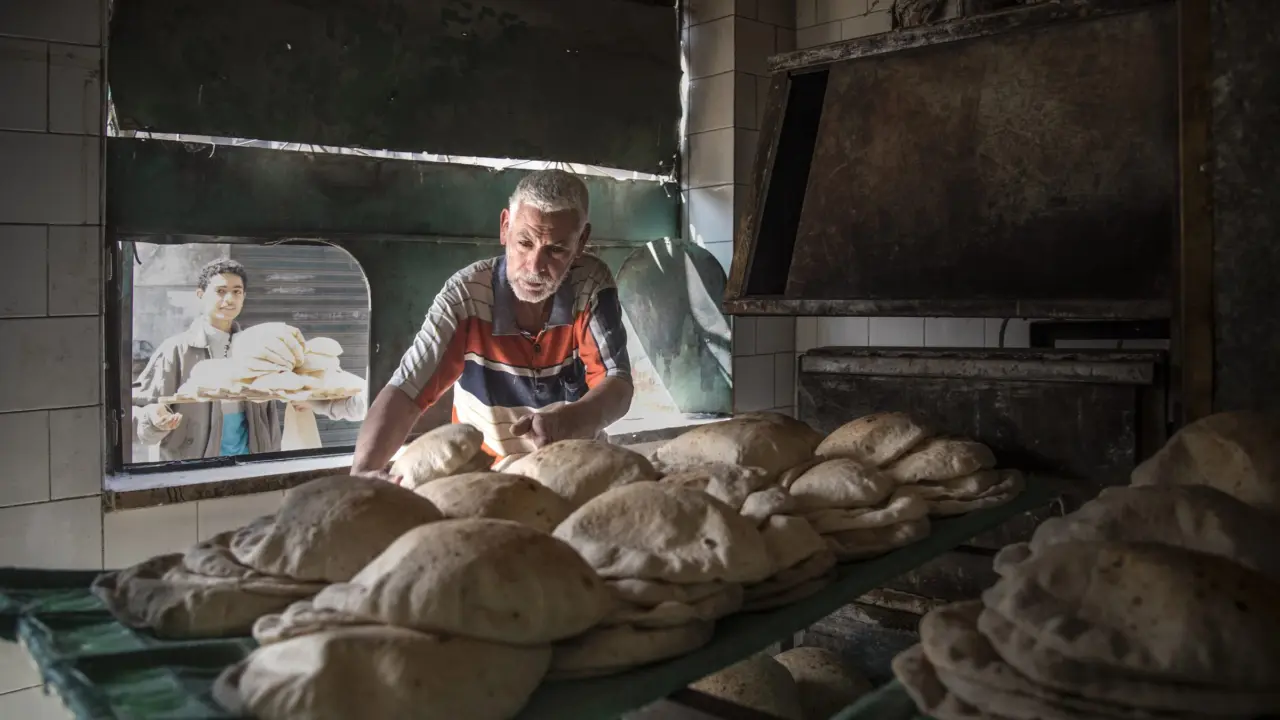
A baker arranges stacks of fresh flatbread on a rack in an Egyptian bakery.

News · Analysis

Egypt’s Black Sea wheat dependence leaves private millers exposed

Egypt sourced more than 82 per cent of its wheat imports from Russia and Ukraine in the first half of 2026. A strong local harvest and state stocks protect subsidised bread, but private millers with thinner cover carry the exposure, and households pay through unsubsidised flour products.
By Michael Chisamba · · 3 min read

Latest in North Africa

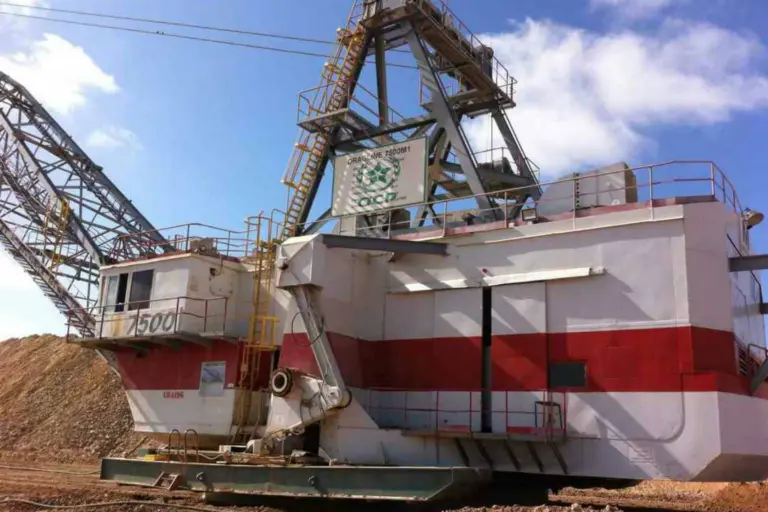
A huge OCP dragline excavator stands in the phosphate mine at Benguerir, Morocco.

Economics

Morocco’s phosphate reserves give it influence in fertiliser markets

Morocco, with the disputed territory of Western Sahara that it administers, holds the majority of the world's known phosphate rock reserves, and OCP Group has built downstream processing around them. That gives Morocco structural influence over fertiliser inputs and a model for other mineral exporters.

McDike Dimpka ·

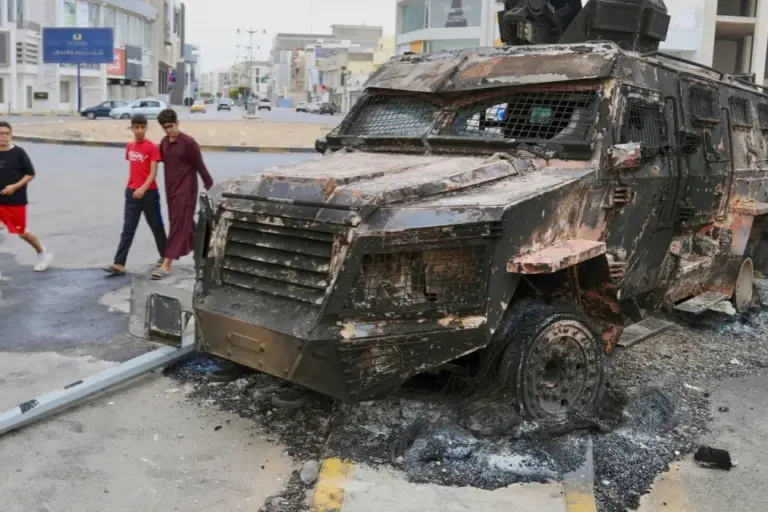
A damaged military vehicle on a street in Libya.

World

Foreign interests complicate Libya’s search for a unified state

Libya's fragmentation since 2011 is sustained by foreign interests, from Turkish and Russian forces to Emirati and Egyptian arms and EU-funded migration control. With attention fixed on Iran, the African Union has lacked the leverage to stop a North African state being partitioned by proxy.

McDike Dimpka ·

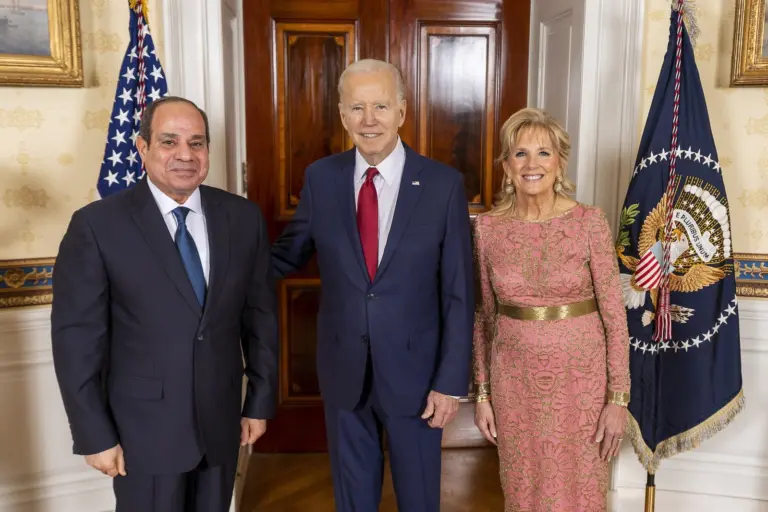
Abdel Fattah el-Sisi poses with Joe Biden and Jill Biden.

World

Egypt’s diplomacy balances Gaza, Sudan and the Nile dispute

Egypt's leverage comes from combining the Suez Canal, its peace treaty with Israel, its border with Gaza and its Arab identity. That indispensability attracts Gulf and Western capital, but an economy built on transit and rents remains exposed to crises Cairo does not control.

Jamel Lahiani ·

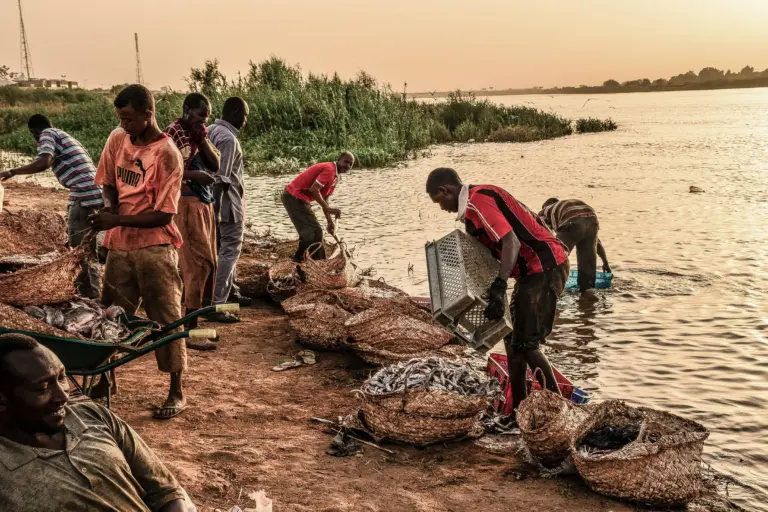
Fishermen sort their catch into woven baskets on the bank of the Nile in Sudan at sunset.

World

Nile cooperation requires an agreement that includes upstream and downstream interests

Egypt's reliance on the 1929 and 1959 Nile agreements reflects real vulnerability, since about 95 per cent of its freshwater originates upstream, but upstream states never accepted them. A durable settlement must balance Ethiopia's development, including the Grand Ethiopian Renaissance Dam, with downstream water security.

Jamel Lahiani ·

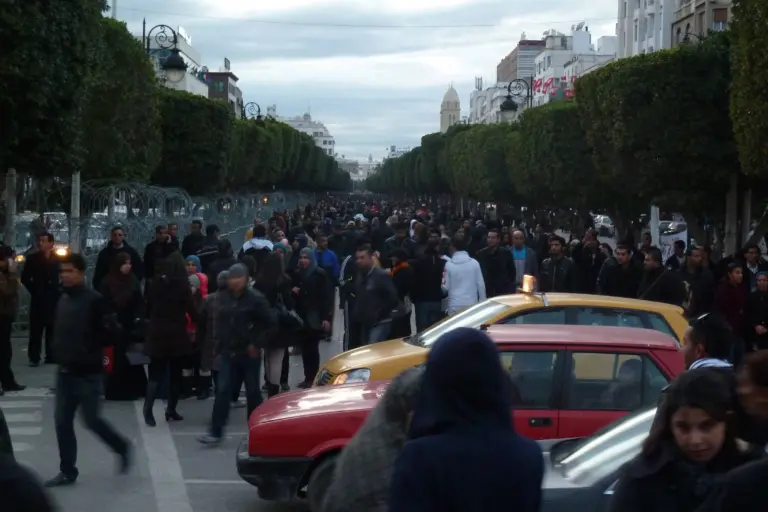
Crowds fill Avenue Habib Bourguiba in Tunis beside coils of razor wire on the anniversary of the revolution in January 2013.

News · Insight

Tunisia’s Decree-Law 54 raises concerns about speech and accountability

Tunisia's Decree-Law 54, adopted in September 2022, defines false-information offences broadly enough to expose journalists and critics to prosecution. It belongs to President Kais Saied's consolidation of executive power and shows how the Arab Spring's gains depended on institutions too fragile to last.

Aderonke Ajibade ·

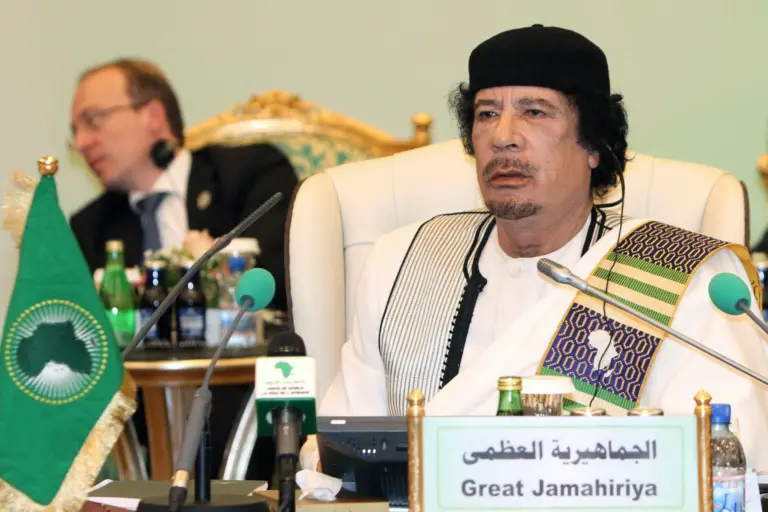
Muammar Gaddafi sits behind a nameplate reading Great Jamahiriya at a summit in 2010.

World · Insight

Libya confronts the institutional legacy of Gaddafi’s rule

Gaddafi's personal rule left Libya without institutions able to manage the transition after 2011. His fall removed a financier of the African Union, opened weapons depots whose arms reached Mali, Niger and Sudan, and exposed how little the AU could do to shape his country's fate.

Joseph Isaac ·

Earlier in North Africa

Egypt’s Somalia ties add pressure to its dispute with Ethiopia

Egypt's 2024 military cooperation with Somalia, including a September weapons delivery, added pressure to its Nile dispute with Ethiopia over the GERD. Proxy positioning will not settle the dam's operation, which still requires a negotiated agreement between Egypt, Ethiopia and Sudan.

Joseph Isaac

Saudi investment in Egypt carries regional ambitions

Saudi investment and security ties with Egypt anchor Riyadh's regional strategy and link Gulf capital to Red Sea shipping, Libya and Sudan. For Cairo, Saudi capital has eased pressure on the pound but constrains its foreign policy wherever its interests diverge from Riyadh's.

Joseph Isaac

Gamal Abdel Nasser, the Egyptian who led the Arab world

Gamal Abdel Nasser rose from a modest Alexandria childhood to rule Egypt for 18 years. He built the Aswan High Dam, broke up the great estates and won the Arab masses, but he ran a police state and lost two wars.

Joseph Isaac

Bentalha Massacre

On the night of 22 September 1997 armed men of the GIA killed hundreds of people in Bentalha, a village that had turned against them. The army's failure to intervene still shapes how Algerians remember it.

Victoria Akindele