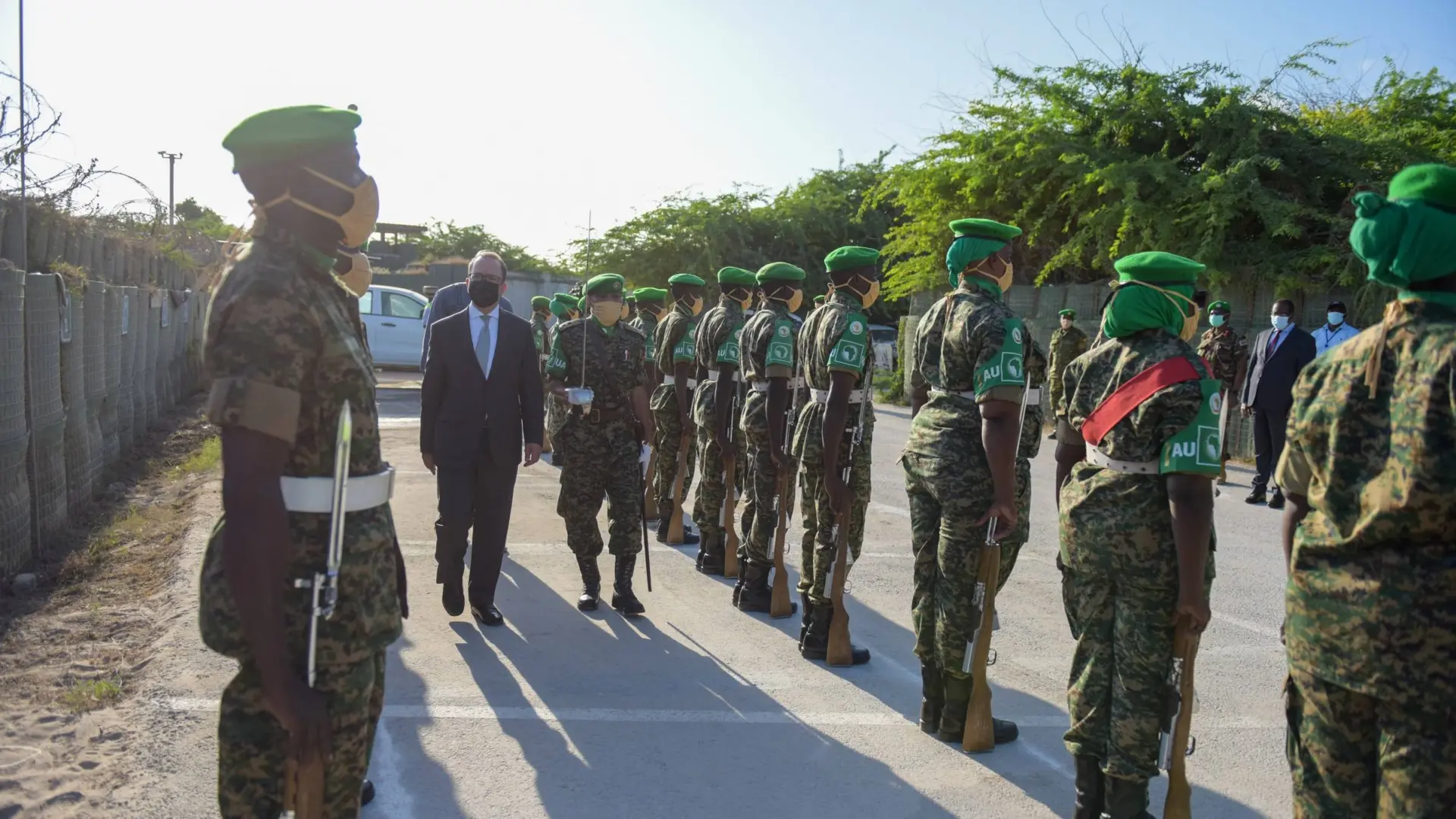
Egypt’s military cooperation with Somalia in 2024, including a weapons delivery in September, added a new dimension to Cairo’s rivalry with Ethiopia. The partnership served Somali security interests while giving Egypt a relationship with a state in dispute with Addis Ababa. It adds pressure, but it cannot settle the dispute at its centre: the operation of the Grand Ethiopian Renaissance Dam, which still requires a negotiated agreement between Egypt, Ethiopia and Sudan.
The dam dispute
Ethiopia began construction of the dam on the Blue Nile in 2011. When fully operational it will be Africa’s largest hydroelectric power station, with planned generating capacity of about 5,000 megawatts, and it will alter the flow regime of the Nile into Egypt. Egypt receives over ninety per cent of its freshwater from the Nile, and its 105 million people live almost entirely in the river’s narrow floodplain. Cairo views the dam’s filling and operation as a serious water-security concern. It has sought mediation through the African Union, approached the UN Security Council and explored legal mechanisms under international water law. None of these avenues has produced a binding resolution. Ethiopia regards the GERD as a sovereign development project on a river that originates within its territory, and the parties have not agreed on key operational issues.
How Somalia entered the dispute
Somalia and Ethiopia share a long, contested border and a history of conflict over the Ogaden region. Their tensions intensified after Ethiopia signed a memorandum of understanding in 2024 with Somaliland, the self-declared independent region in northern Somalia, granting Ethiopia potential access to Somaliland’s Red Sea coast in exchange for unspecified support. Mogadishu rejected the agreement and looked for regional partners as a counterweight to Ethiopian influence. Egypt’s accelerated military cooperation that year gave it one, and complicated Ethiopia’s established role in Somali security.
Overlapping regional disputes
The Horn of Africa is managing several overlapping competitions at once. Egypt has carried its Nile dispute with Ethiopia into its Somali relationship. The Ethiopia-Somaliland memorandum has rearranged the Horn’s diplomatic geometry. Eritrea, which shares a volatile history with both Ethiopia and Somalia, has its own calculations about the regional balance of power. Djibouti, hosting military bases from France, the United States, China, Japan and Italy, is the most internationalised point on the map. And the Red Sea’s security, already disrupted by Houthi missile attacks on commercial shipping from 2023 onward, adds a maritime dimension.
Somalia’s interests
For Somalia, the Egyptian relationship carries benefits and risks. The weapons and equipment Egypt is providing are material support for the Somali National Army’s operations against al-Shabaab, which controls significant territory in southern and central Somalia and continues to mount attacks on Mogadishu and other urban centres. Any credible capability the army acquires is useful, whatever the geopolitical logic behind it. But open alignment with Egypt against Ethiopia risks closing channels with Addis Ababa that Mogadishu may need as its security situation evolves. ATMIS, the AU Transition Mission in Somalia that replaced AMISOM, includes Ethiopian forces. If the rupture deepens, the continuity of that contribution becomes uncertain.
Why proxy pressure will not settle the Nile
The technical and hydrological questions about dam operations, filling schedules and downstream flow guarantees require negotiated agreements between Egypt, Ethiopia and Sudan, the three riparian states with the most direct stake. Those negotiations have failed repeatedly. The technical solutions are available. The political trust required to implement them does not exist. In this analysis, Egypt’s manoeuvring in Somalia reflects, among other things, the limits of the diplomatic routes it has already tried.
The Egypt-Somalia-GERD triangle shows that water, land and energy disputes are not only technical problems. They are power problems, and where formal mechanisms for managing them are weak, they find regional and ultimately military expression. Africa needs water diplomacy infrastructure (binding frameworks, joint technical commissions with real authority and dispute-resolution mechanisms with enforcement capacity) to manage the transboundary resource conflicts that climate change will multiply. The Nile basin is the most urgent test case, and what happens there will shape how the continent manages comparable disputes.



