Opens in a new tab

Topic

East Africa

EAC, Tanzania, Uganda, Rwanda, Somalia and the Horn

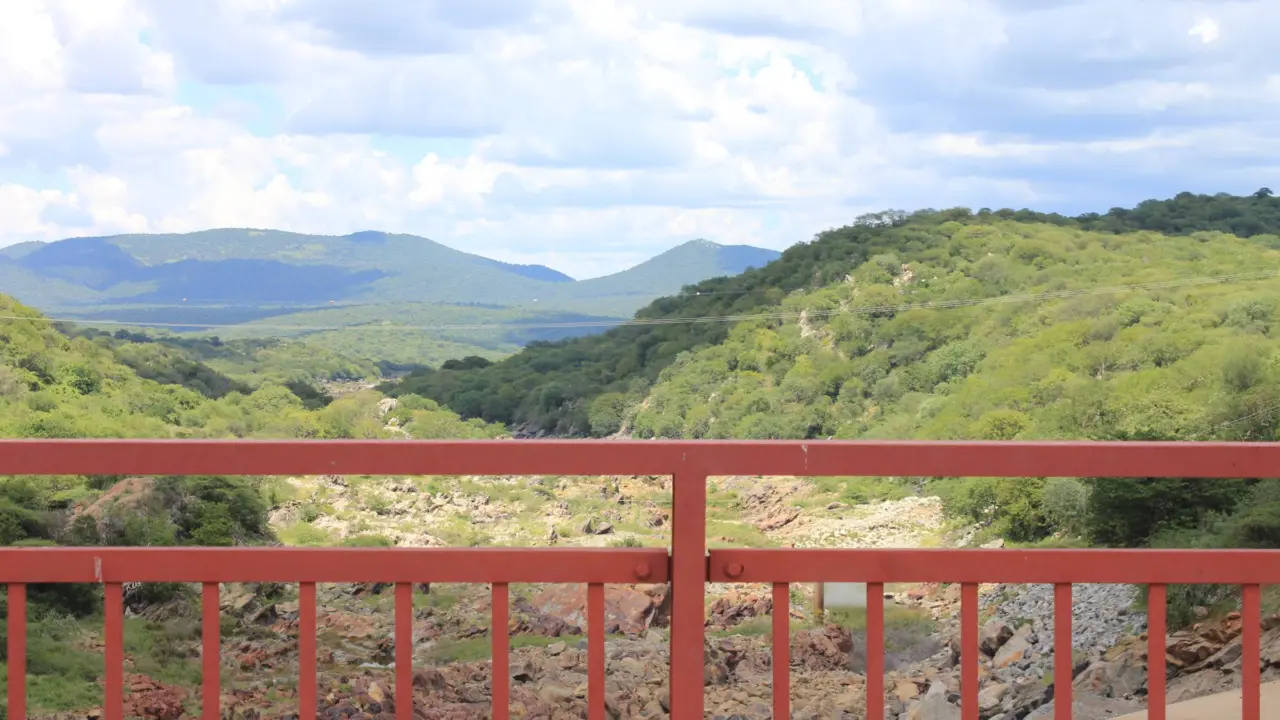
Great Ruaha River valley seen from the Mtera hydropower dam in central Tanzania

News · Analysis

Tanzania’s installed power capacity exceeds peak demand

The Julius Nyerere Hydropower Project lifts Tanzania's installed capacity to 4,646 megawatts against peak demand of 2,271. That nameplate surplus becomes economic value only if transmission, industrial tariffs, export contracts and dry-season output turn it into reliable, affordable supply.

By Alao Abiodun · · 3 min read

Latest in East Africa

Nurse in a white coat and black niqab standing in a corridor of Banadir hospital in Mogadishu

News · Analysis

Somalia’s clinic closures deepen a malnutrition emergency

UNICEF reported on 21 August 2026 that 205 health and nutrition facilities in Somalia had closed amid humanitarian funding cuts, while admissions of children with complicated severe acute malnutrition rose 32 per cent. As many as 618 facilities could close under severe funding scenarios.

Alao Abiodun ·

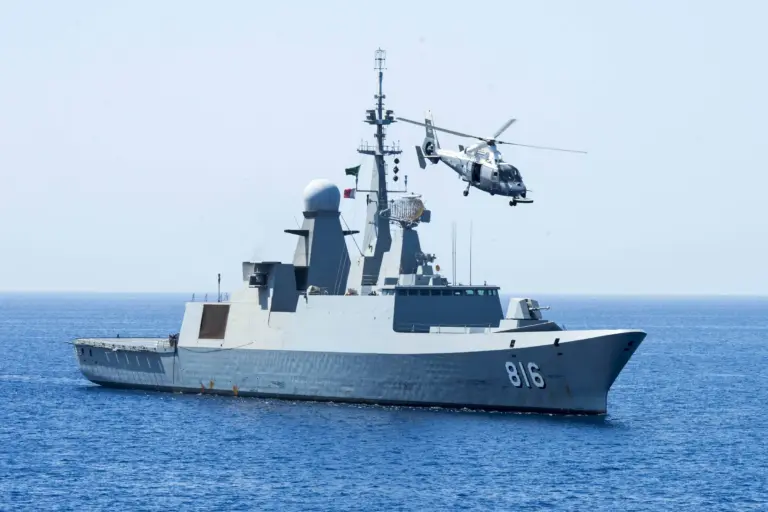
The Royal Saudi Navy frigate Al Dammam, hull number 816, at sea with a naval helicopter flying alongside.

News · Analysis

A Saudi-led Red Sea coalition puts African command rights to the test

The Saudi-led maritime coalition announced in Riyadh on 30 July 2026 relies on African coastal states for ports and territory, but their membership becomes leverage only if founding rules on tasking, port access and refusal give them real authority.

Ebenezer Makinde ·

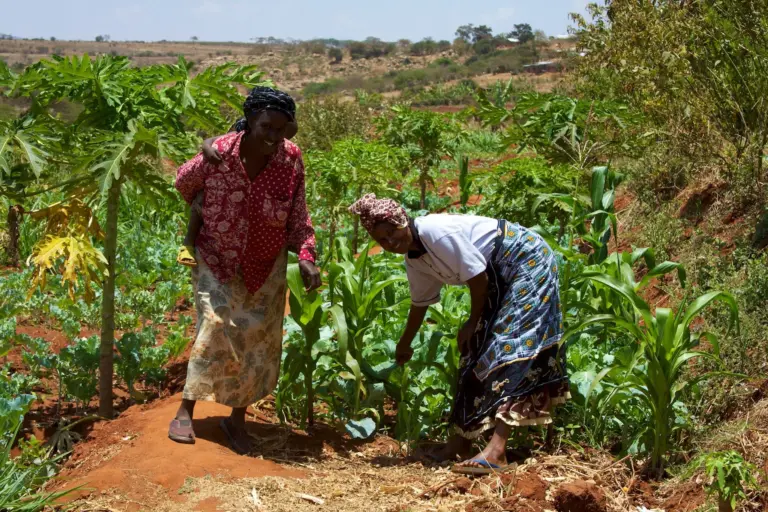
Two women smallholder farmers smile as they tend crops in a field in Kenya.

Economics · Insight

Land titling needs protections against dispossession

Land titling programmes promise African smallholders credit and tenure security, but registration favours those who can navigate a registry office and transferability exposes struggling households to distress sales, so reforms need protections such as co-titling from the outset.

Alao Abiodun ·

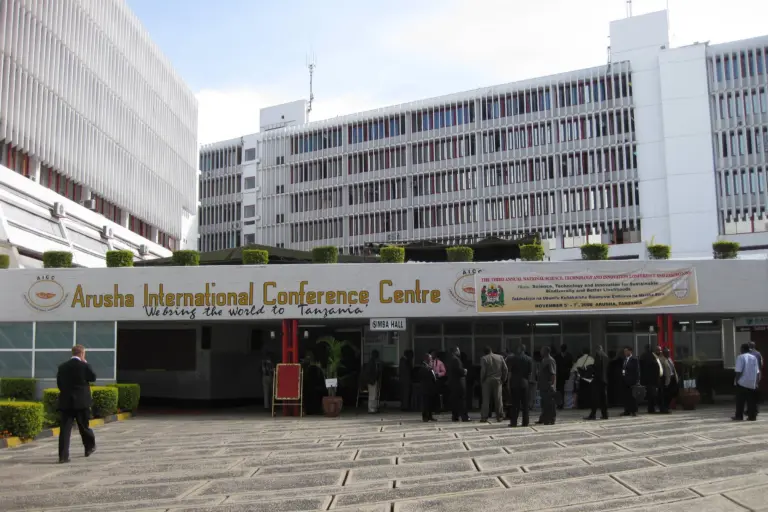
The Arusha International Conference Centre in Tanzania, with delegates gathered at the entrance.

News · Insight

African Court withdrawals restrict direct access to justice

Rwanda, Tanzania, Côte d'Ivoire and Benin each withdrew direct citizen access to the African Court on Human and Peoples' Rights after cases went against them, showing that a court built to bypass government goodwill still depends on the revocable consent of its defendants.

McDike Dimpka ·

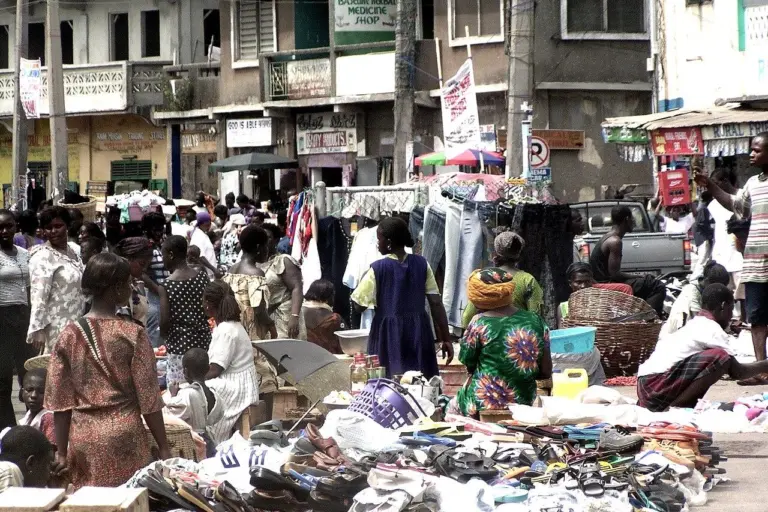
Clothing and footwear are displayed amid shoppers at a market in Cape Coast, Ghana.

Economics

Secondhand clothing policy must account for consumers and local industry

Used clothing imports, mitumba in East Africa and okrika in West Africa, dress millions affordably and sustain informal livelihoods while crowding out domestic textile production. The East African Community's phaseout attempt shows bans fail before local capacity exists, so industrial building must come before import restrictions.

McDike Dimpka ·

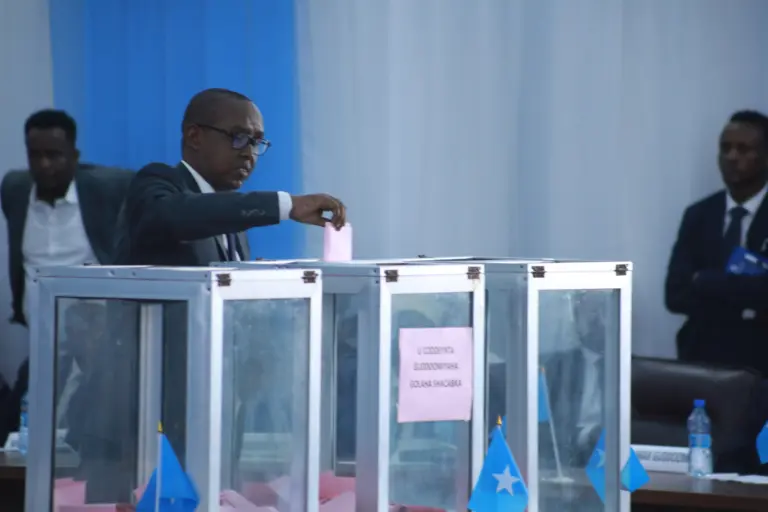
A member of Somalia’s federal parliament casts a ballot during the vote for Speaker of the House of the People in Mogadishu in April 2022.

News · Insight

Somalia’s political disputes test its institutions

Somalia's clashes in Mogadishu are symptoms of a provisional constitution and contested electoral rules that leave disputes to clan elders and armed factions. That layered crisis gives al-Shabaab room as the African Union security mission draws down, normalising force as the route to legitimacy.

Alao Abiodun ·

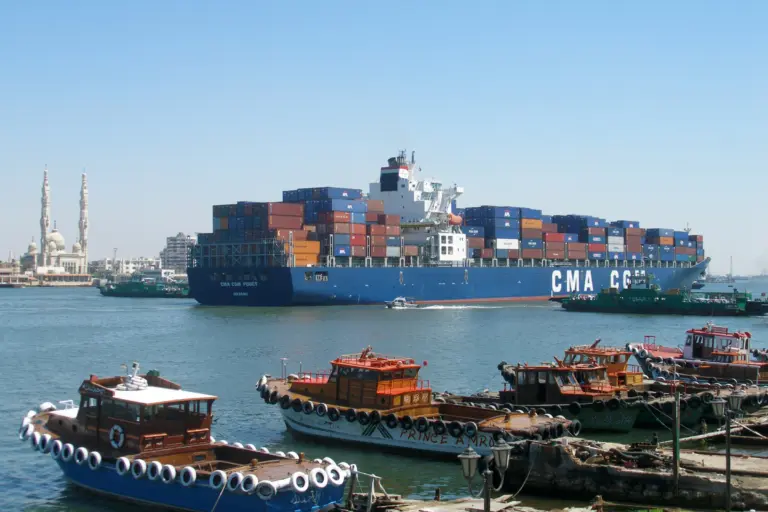
The container ship CMA CGM Puget passes small harbour boats as it transits the Suez Canal at Suez, Egypt.

World

Red Sea attacks expose African trade to maritime insecurity

Attacks on shipping near the Bab el-Mandeb strait by Iran-aligned forces show how much African trade depends on a chokepoint the continent neither controls nor helps defend. External navies provide protection, and the remedy lies in intra-African trade, diversified routing and a stake in maritime security.

Ebenezer Makinde ·

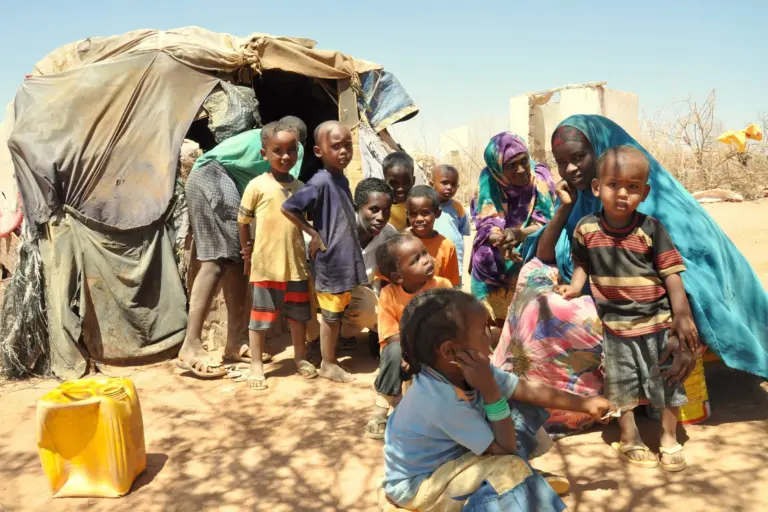
A mother and grandmother sit with children outside a makeshift shelter in a drought-hit camp in Somaliland.

News

WFP’s May 2026 warning highlights Somalia’s food-aid funding gap

The World Food Programme warned on 8 May 2026 that its food assistance in Somalia could halt in July without urgent funding. The warning exposes how a state whose population depends on external aid has little control over the calendar on which its survival is decided.

McDike Dimpka ·

Earlier in East Africa

Africa’s maritime influence depends on coordination and international law

The Red Sea corridor runs through African geography, yet its security and rules are set by external naval powers, from Combined Task Force 151 to bases in Djibouti. Turning geography into leverage needs a regional maritime authority, a continental position on the law of the sea and investment in Horn security capacity.

McDike Dimpka

Somalia’s oil plans put revenue governance in focus

Somalia's offshore exploration, including seismic surveys by Türkiye's Oruç Reis in three blocks, precedes any proven commercial discovery. Publishing contracts, settling revenue sharing between Mogadishu and federal member states and building regulatory capacity now would reduce the risk of later disputes.

Kiraithe Daniel Mutemi

Trade barriers and political disputes complicate East African integration

East African Community trade is held back by non-tariff barriers, retaliatory taxes and political disputes that undercut treaty commitments. Members gain more in the short run by protecting their own industries, and integration will stall until enforcement makes breaking the rules costlier than complying.

Kiraithe Daniel Mutemi

Joseph Kony’s evasion of arrest exposes gaps in regional security

Joseph Kony has been wanted by the International Criminal Court since 2005 and remains free. His survival in the borderlands of the Central African Republic, South Sudan, Sudan and DR Congo exposes weak state presence, fragile regional coordination and reliance on external support that ended in 2017.

McDike Dimpka

Somaliland and Sudan expose the stakes of Red Sea access

Red Sea geopolitics now turns on Somaliland and Sudan, from Ethiopia's 2024 memorandum with Somaliland to Russia's unratified basing deal at Port Sudan. External powers and African governments are all bargaining over access, and Africa lacks a shared framework to govern its own coastline.

Jamel Lahiani

Tanzania’s market reforms raise questions about who sets investment terms

Tanzania's long move from Ujamaa to open markets has never settled who writes the rules. Magufuli's resource nationalism and Samia Suluhu Hassan's investor-friendly recalibration answer the same constraint, and the planned LNG project tests whether revenue sharing and local content terms are secured before first gas.

Alao Abiodun

Egypt’s Somalia ties add pressure to its dispute with Ethiopia

Egypt's 2024 military cooperation with Somalia, including a September weapons delivery, added pressure to its Nile dispute with Ethiopia over the GERD. Proxy positioning will not settle the dam's operation, which still requires a negotiated agreement between Egypt, Ethiopia and Sudan.

Joseph Isaac

Bobi Wine turns musical influence into a challenge to Museveni

Bobi Wine turned a musical audience built in Kampala's Kamwokya into a political movement, from his 2017 by-election win to the 2021 presidential race. His challenge exposed the vulnerability of Museveni's long rule before a young generation that has known nothing else.

Joseph Isaac

Rwanda rebuilds while questions about power and reconciliation persist

Rwanda's recovery since the 1994 genocide, under President Paul Kagame, is a genuine economic transformation, yet it coexists with restricted opposition, suppressed media and allegations of support for M23 in eastern DR Congo, leaving open whether physical rebuilding has been matched by political rebuilding.

Joseph Isaac