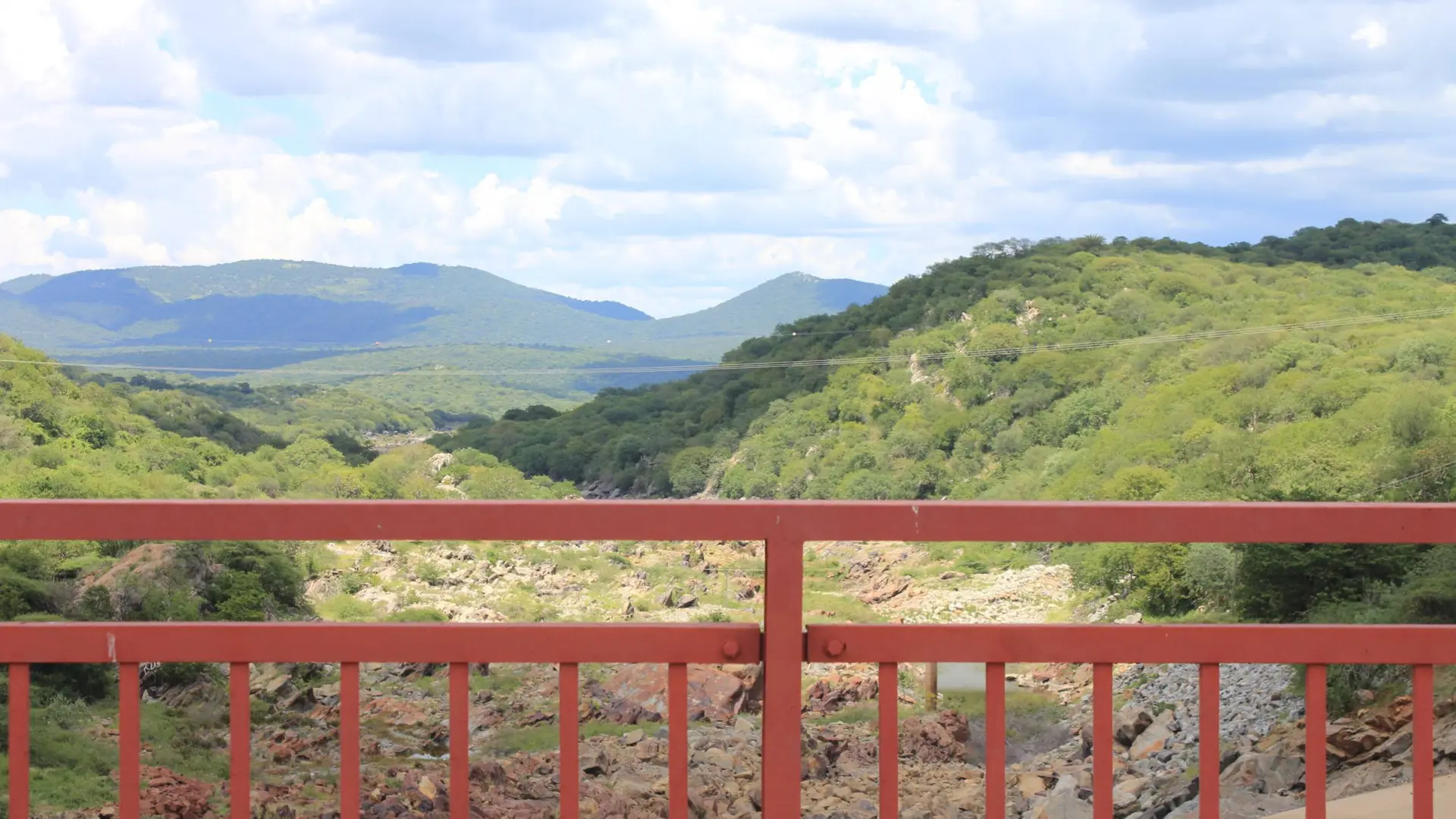
The Julius Nyerere Hydropower Project has nine 235-megawatt turbines, adding up to 2,115 megawatts of installed capacity. The figures cited at its reported 22 August commissioning put national installed capacity at 4,646 megawatts against peak demand of 2,271 megawatts, a ratio of about 2.05 to 1. That compares nameplate capacity with peak demand. It does not establish that Tanzania is actually generating twice the electricity it can use.
The consequence is the surplus, and a surplus is only an asset if it reaches a buyer. Installed megawatts are a claim. Delivered, affordable, reliable electricity at an industrial connection point is the thing that changes an economy.
Installed megawatts are a claim. Delivered, affordable, reliable electricity at an industrial connection point is the thing that changes an economy.
Two routes to a buyer
Two routes exist and they are not equally easy. The first is domestic industrial demand, which requires transmission and distribution capacity that generation does not automatically create, plus an industrial tariff that makes manufacturing in Tanzania cheaper than importing the finished good. The second is export to neighbours, which requires cross-border transmission lines and power purchase agreements with neighbouring utilities. Tanzanian officials have pointed at both. Neither is delivered by commissioning a dam, and the returns to the project depend on those less visible investments as well as on the turbines.
A greater hydropower share also adds exposure to rainfall, reservoir conditions and water management. Installed megawatts do not measure how much electricity a plant will deliver through a dry period. Assessing reliability requires seasonal output, storage, outages and the contribution of other generation sources.
The cost of the project
Tanzanian officials describe the project, costing about 7.452 trillion shillings, as financed from domestic resources and built by an Egyptian consortium. That is an important financing claim to document. Capacity payments, debt service, currency costs and demand assumptions differ across projects, and Tanzania’s actual contractual and fiscal exposure needs to be assessed from the agreements and accounts, rather than assuming a domestic funding source eliminates all the risks that have troubled other power projects.
There is a second ledger. The Rufiji is the river that runs through the Selous, one of the largest protected areas in Africa and a World Heritage site, and conservation organisations objected to this project for years on the basis of what a dam of this size does to a floodplain ecosystem and to the communities and wildlife downstream of it. Those objections were not answered by the commissioning ceremony. They were overridden by a sovereign decision that electricity for a growing population outweighed the habitat cost, which is a decision a government is entitled to take and should be held to. The honest position is that Tanzania has made a trade, not that there was nothing to trade.
The project expands Tanzania’s options for domestic supply and regional trade. The measures to watch include delivered industrial tariffs, connections, export contracts and firm output across seasons. Those will show whether additional capacity becomes reliable service and economic value.



