Opens in a new tab

Topic

Infrastructure

Corridors (Lobito), ports, rail, transport and logistics

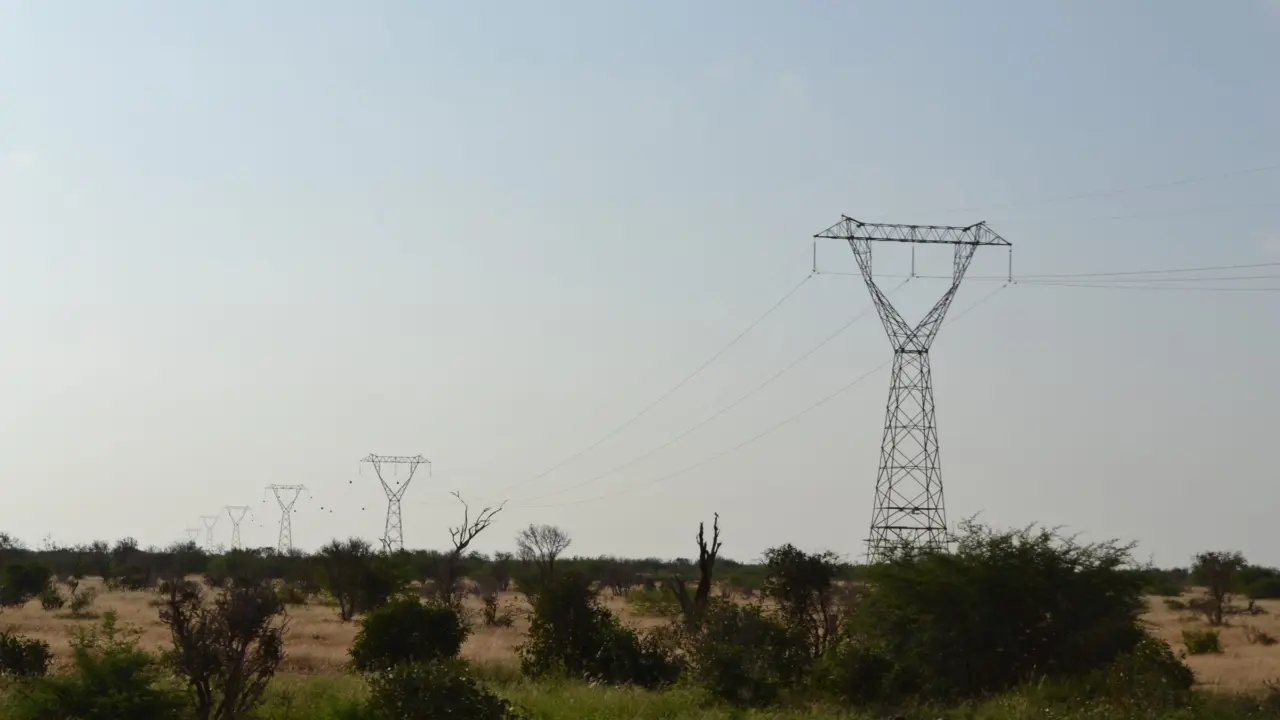
High-voltage electricity transmission line running across dry bush country in Tsavo East National Park, Kenya

Technology

Grid connection decisions shape Africa’s data-centre expansion

Africa has about 360 megawatts of active data-centre capacity and 656 megawatts planned, and power has overtaken connectivity as the main constraint. The decisive choices, interconnection queue order, firm capacity and curtailment ranking, are unpublished, and utilities and regulators should disclose them.

By Kiraithe Daniel Mutemi · · 7 min read

Latest in Infrastructure

Great Ruaha River valley seen from the Mtera hydropower dam in central Tanzania

News · Analysis

Tanzania’s installed power capacity exceeds peak demand

The Julius Nyerere Hydropower Project lifts Tanzania's installed capacity to 4,646 megawatts against peak demand of 2,271. That nameplate surplus becomes economic value only if transmission, industrial tariffs, export contracts and dry-season output turn it into reliable, affordable supply.

Alao Abiodun ·

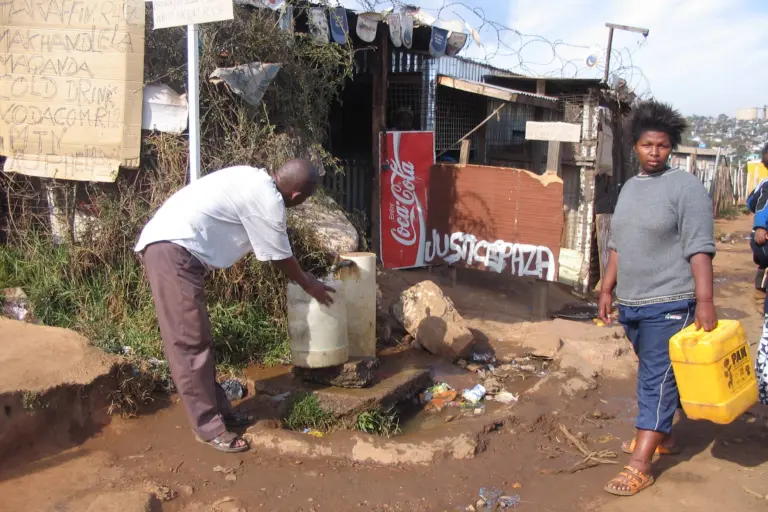
Residents collect water at a communal standpipe in Soweto, Johannesburg.

News · Analysis

Johannesburg’s water failures reveal the unequal costs of poor services

Johannesburg loses about 655 million litres of water a day, roughly a third of supply, as households that can afford boreholes leave the network. The real test of South African reform is whether non-revenue water falls and municipal connections recover, not what national budget speeches promise.

Alao Abiodun ·

Kenya Airways Boeing 787-8 Dreamliner registration 5Y-KZF taxiing at Amsterdam Schiphol airport

News · Analysis

Fuel costs put Kenya Airways’ thin margins under pressure

Kenya Airways says fuel has risen from about 40 per cent to 50–55 per cent of its operating costs amid Middle East disruption, against a reported net profit of about $1.50 per passenger seat. The airline offers a rare public readout of how a distant chokepoint feeds into Kenyan costs.

Kiraithe Daniel Mutemi ·

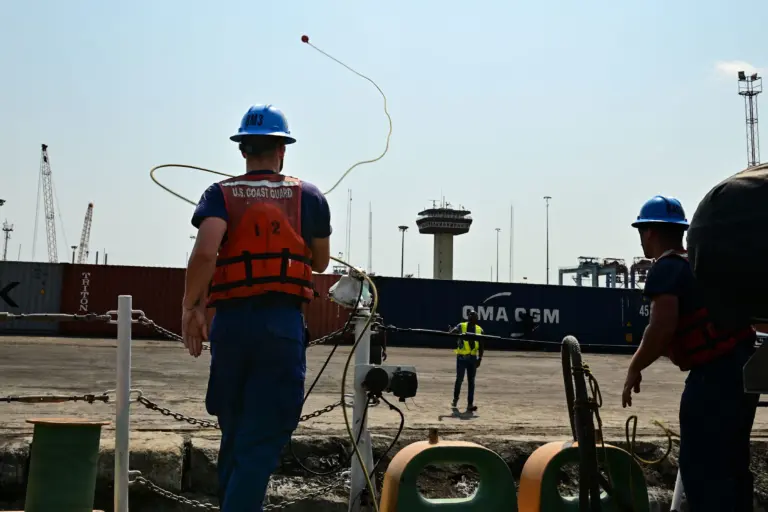
US Coast Guard crew in hard hats throw a mooring line as their cutter arrives at a Lagos port.

News · Analysis

US Coast Guard lifts Nigeria’s port conditions of entry after twelve years

The US Coast Guard lifted its Nigeria conditions of entry on 19 August 2026, ending a penalty imposed in 2014 over deficient port governance rather than piracy. Four inspections preceded the decision, while the freight and insurance savings Nigerian officials expect remain forecasts.

McDike Dimpka ·

A roadside fuel stall near Ségou in Mali, with bottles of petrol on a wooden table and a hand pump beside a mud-rendered wall.

News · Insight

Mali’s fuel blockade shows the power of supply corridors

From 3 September 2025, JNIM attacks on fuel convoys forced rationing in Bamako without a siege. With roughly 95 per cent of Mali's fuel arriving on two highways from Côte d'Ivoire and Senegal, corridor interdiction has become a cheap form of coercion whose costs cross borders.

Michael Chisamba ·

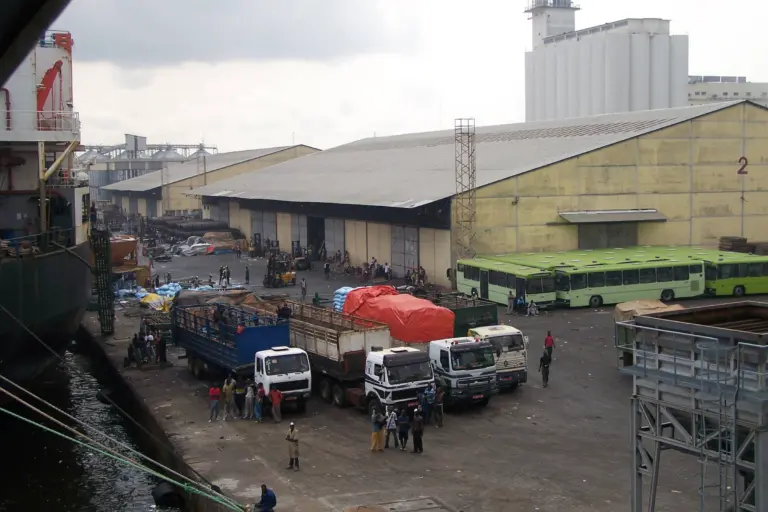
Lorries loaded with cargo parked beside warehouses and silos at the port of Abidjan

Technology

Logidoo’s freight platform highlights the practical work of trade integration

AfCFTA implementation depends on freight interoperability as much as tariff schedules, and in West Africa venture-funded platforms such as Logidoo are building carrier visibility, customs data exchange and return-load matching, so states must set corridor standards before private specifications harden.

Kiraithe Daniel Mutemi ·

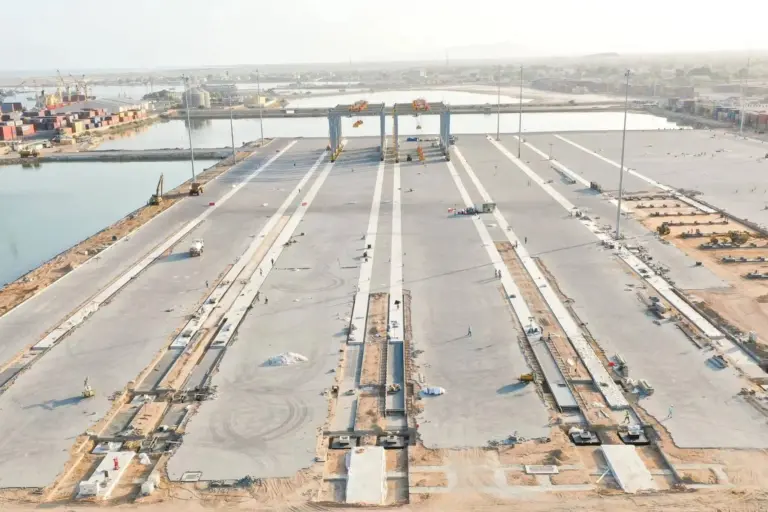
An aerial view of the new container terminal under construction at the port of Berbera, with the old port and cranes behind.

Economics

Gulf port investment puts concession terms under scrutiny

Gulf states are converting oil wealth into African ports, farmland and logistics corridors as patient, directed capital. Whether that is partnership or acquisition depends on concession terms, and on African governments negotiating from strategy rather than fiscal distress, with real reversion and revenue-sharing.

Adedoyin Shittu ·

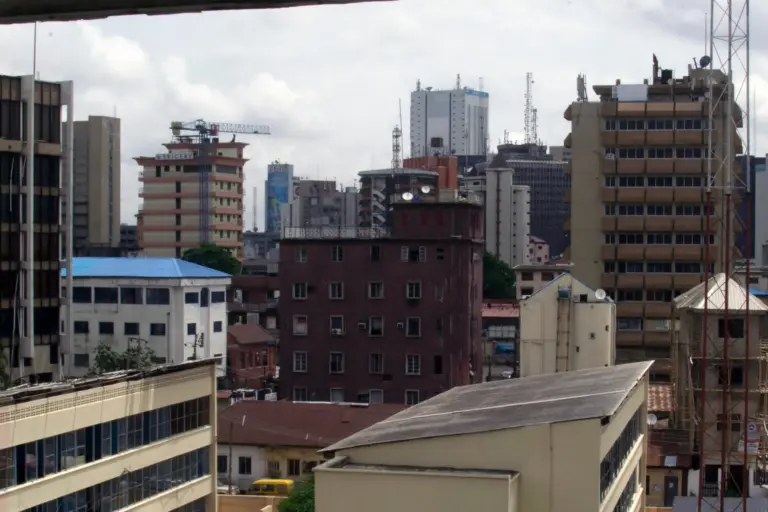
Lagos Island cityscape of office blocks and high-rise buildings seen from City Hall

Economics

Africa’s pension savings could finance more domestic investment

African pension funds hold a growing pool of patient, mostly local-currency savings, yet regulation channels much of it into government bonds. Measured allocation limits, pooled vehicles, guarantees and a pipeline of bankable projects could let that capital finance infrastructure without endangering retirement savings.

Adedoyin Shittu ·

Earlier in Infrastructure

Africa’s fragmented aviation market limits regional connections

The Single African Air Transport Market has stalled because governments protect weak national carriers, forcing travellers between African cities through foreign hubs. Ethiopian Airlines shows African airlines can compete at scale, and air connectivity is load-bearing infrastructure for continental free trade.

Alao Abiodun

Climate plans can support African economic development when projects are funded

African governments are beginning to treat their Nationally Determined Contributions as economic instruments, turning climate commitments into investable pipelines for renewables, climate-smart agriculture and industry. Success depends on bankable projects, regulatory certainty and institution-backed models such as the African Development Bank's Desert to Power.

Michael Chisamba

Africa’s institutional capital and the infrastructure investment gap

African pension funds, sovereign pools and asset managers now hold more than $2 trillion, yet the African Development Bank puts the annual infrastructure financing gap at $68–108 billion. The constraint is a risk architecture of regulation, project preparation, currency mismatch and state enterprise governance, not a shortage of capital.

Victoria Akindele

Africa’s energy transition must address access, reliability and fiscal risk

Africa's energy transition is a sovereign industrial strategy question, not a copy of European net-zero frameworks. Renewables offer energy sovereignty to a continent short of reliable power, while producers such as Nigeria and Angola need a managed phase-down that builds replacement revenue first.

Adedoyin Shittu

Africa’s renewable energy growth raises questions about finance and ownership

Africa's renewable build-out is under way, from Morocco's Noor Ouarzazate complex to the Grand Ethiopian Renaissance Dam and off-grid solar. The open questions are ownership, access and value capture, because the financing gap pushes governments towards external capital on terms they have not negotiated collectively.

Adedoyin Shittu

Africa’s renewable resources need investment that delivers reliable power

Africa holds 60 per cent of the world's best solar resources on the IEA's 2022 assessment, but resource quality is not electricity. Financing, transmission, maintenance and regulation decide whether solar home systems, mini-grids and projects such as Morocco's Noor Ouarzazate deliver reliable, affordable power.

Adedoyin Shittu

AfCFTA needs trade finance and transport alongside tariff reform

Tariff cuts under the AfCFTA will do little alone while intra-African trade sits near 15 per cent of the total, because the tariff, the corridor and the trade-finance gap are one inheritance that must be tackled together on infrastructure Africa owns.

Kiraithe Daniel Mutemi

China’s TAZARA plans add competition for mineral transport

China's push to rehabilitate the TAZARA railway would strengthen an Indian Ocean route for Zambian copper and set up a rival axis to the Atlantic-facing Lobito Corridor. Whether Tanzania and Zambia gain lasting leverage depends on industrial depth, not on traffic alone.

Ebenezer Makinde

Critical minerals raise the stakes of Africa’s transport corridors

Africa's copper routes, rail corridors and ports are now treated as industrial-security assets by Washington and Beijing. The Lobito Corridor shows the stakes. Its value depends on whether the governments along the line write processing and local content into its terms.

Ebenezer Makinde