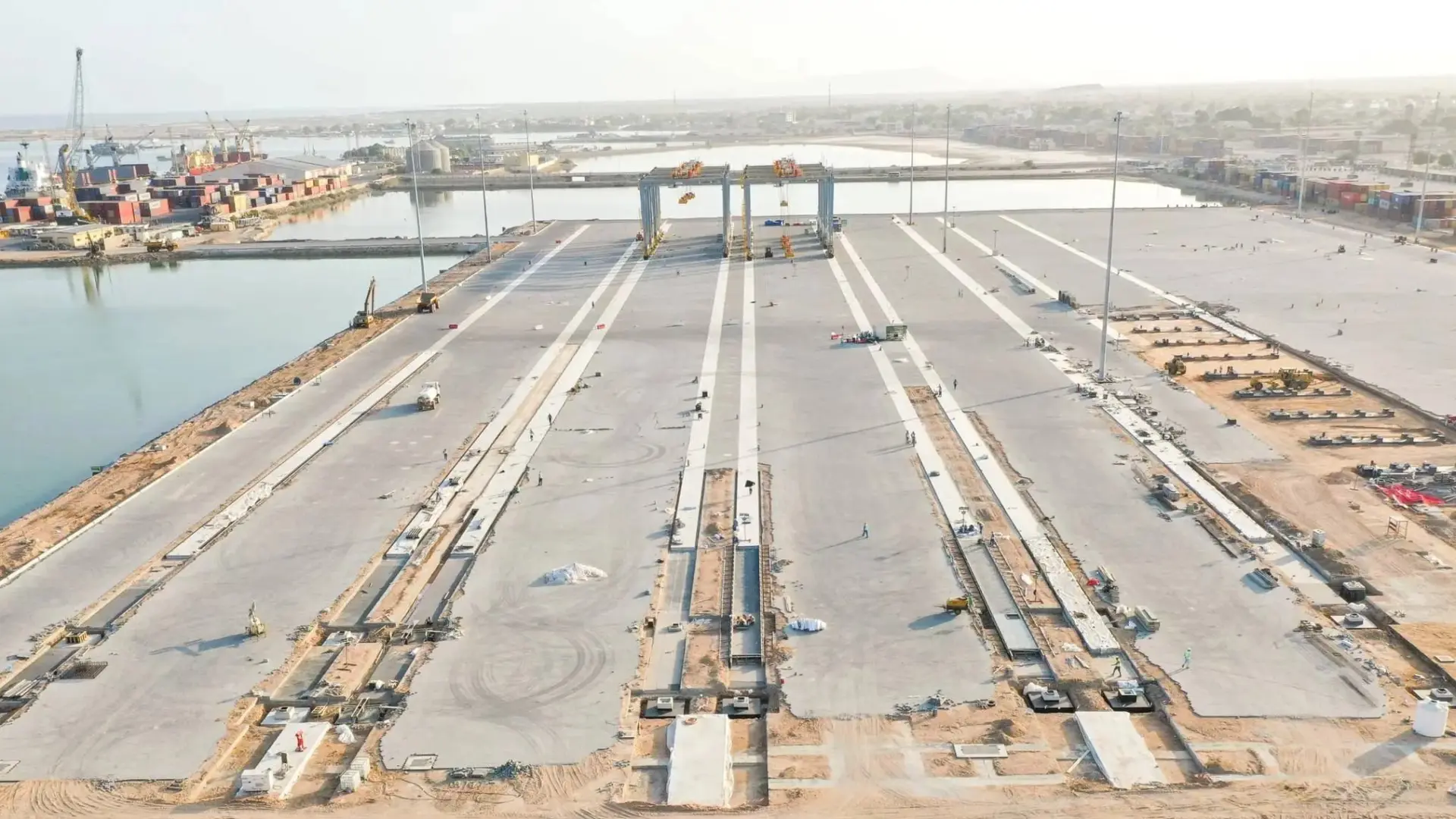
Gulf-backed investment in African ports, farmland and logistics can bring capital and operating expertise. Whether it amounts to partnership or acquisition depends on the concession terms: how the benefits are shared, what control the host retains and what obligations future governments inherit.
The logic on the Gulf side is coherent and worth respecting before it is critiqued. Oil-producing states with finite reserves are racing to convert hydrocarbon wealth into durable assets before the energy transition erodes the value of what is in the ground. African ports, farmland and minerals are attractive because they are real, productive and located along the trade routes between Asia, Africa and Europe where Gulf logistics firms already operate. A terminal in the Horn of Africa, a farm in the Nile basin and a stake in a copper belt are each pieces of a strategy to be the indispensable intermediary of a fast-growing region. This is patient, directed capital pursuing a plan.
Infrastructure and economic influence
That coherence is the reason the deals deserve scrutiny rather than gratitude. Infrastructure is not a neutral asset. A port is a chokepoint, a possible bottleneck in a country’s seaborne trade, and whoever operates it holds a measure of influence over the economy that depends on it. Farmland leased to a foreign sovereign to grow food for export is land withdrawn from the host country’s own food system. A logistics corridor financed and operated by an external power is a route whose tariffs, priorities and access can be set with that power’s interests in mind. When a government signs these concessions, it is not only attracting investment. It is deciding who controls the arteries of its economy, and for how long.
A port is a chokepoint, and whoever operates it holds a measure of influence over the economy that depends on it. Infrastructure is never a neutral asset.
What concession terms determine
Follow the leverage and the terms of the exchange come into focus. The Gulf operator captures the operating margin, the strategic position astride a trade route, and an asset that holds value as oil declines. The host government captures upfront capital and the political credit of a ribbon cutting. What is traded away is control, often for concession periods measured in decades, sometimes negotiated by governments with limited capacity to model the long-run value of what they are leasing, and sometimes structured so that the host’s leverage decreases over the life of the contract. The risks sit with the African state: that the asset is underpriced, that the terms favour the operator and that a future government inherits a constraint it cannot easily unwind. The benefit of certainty sits with the buyer.
Negotiating under fiscal pressure
The harder judgement falls on the African side of the table, because these are agreements governments are choosing to sign. No one is seizing these ports. Governments are signing concessions, often in conditions of fiscal distress that make upfront cash irresistible and long-run cost easy to discount. The deficit is one of negotiating capacity and strategic patience: the legal, financial and technical expertise to value a fifty-year concession against a one-time payment, and the political incentive to take the cash now and leave the constraint to a successor. The Gulf funds negotiate as professionals with a plan. When the African counterpart negotiates as a treasury with a gap to fill, the mismatch, not the appetite of the buyer, is what produces lopsided deals.
There is a version of this relationship that serves Africa, and naming it matters so the analysis does not collapse into refusal. Gulf capital can build genuinely needed infrastructure, transfer operating expertise and integrate African economies into global trade on better terms than they now enjoy, provided the host retains ownership of the asset, structures concessions with real reversion and revenue-sharing, and negotiates as a strategic actor rather than a distressed seller. The difference between investment and acquisition is not the nationality of the money. It is the structure of the deal and the capacity of the government that signs it. Capital that builds an asset the host ultimately controls is partnership. Capital that leases the chokepoint for two generations is something else.
The pace favours the buyer, because oil wealth is patient and fiscal distress is urgent. Africa does not need to refuse Gulf capital, and refusing it would forfeit real gains. It needs to negotiate from strategy rather than scarcity, to value what it is signing over the full life of the contract, and to remember that a long concession can bind several future administrations. Whether Africa is investing or divesting depends on the terms written into the deeds it is signing now.



