Opens in a new tab

Section

World

The United States Embassy compound in Nairobi seen from above among trees

Africa and the great powers

US visa rules make African mobility more conditional

US entry rules in 2026 did not ban Africans as a class but layered a full suspension, partial restrictions and visa bonds into a regime Washington can adjust at will, as the World Cup bond waiver showed. Contesting it needs a mobility evidence base African governments have yet to build.


By McDike Dimpka · · 6 min read

Latest in World

Presidents Paul Kagame, Donald Trump and Félix Tshisekedi stand together at the Washington Accords signing ceremony

Africa and the great powers

Congo’s Washington agreements face questions about minerals and legal authority

The December 2025 Washington Accords came with a US agreement giving American investors first offer on Congolese mineral assets. Seven months on, UN experts say Rwandan forces remain, M23 holds Goma and Bukavu, and petitioners argue in Congo's Constitutional Court that the deal breaches the constitution.

Alao Abiodun ·

The International Criminal Court headquarters in The Hague, photographed in 2019.

Governance and democracy

Sahel ICC withdrawals raise questions about future accountability

The withdrawal of Burkina Faso, Mali and Niger from the International Criminal Court rests on a legitimate grievance about selective justice, but it removes the one jurisdiction their governments do not command while their forces stand accused of mass killings.

Jamel Lahiani ·

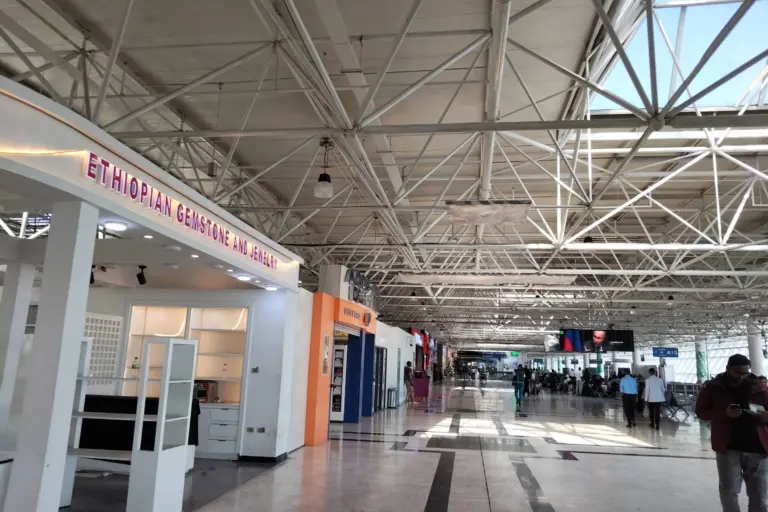
A concourse at Addis Ababa Bole International Airport.

African Union and Pan-Africanism · Insight

Africa’s free movement protocol still faces a ratification gap

The African Union's 2018 free movement protocol remains short of the fifteen ratifications it needs to enter into force, held back by migration, visa revenue and security anxieties. ECOWAS has run a functional free movement regime since 1979, showing integration advancing faster at regional level.

Adedoyin Shittu ·

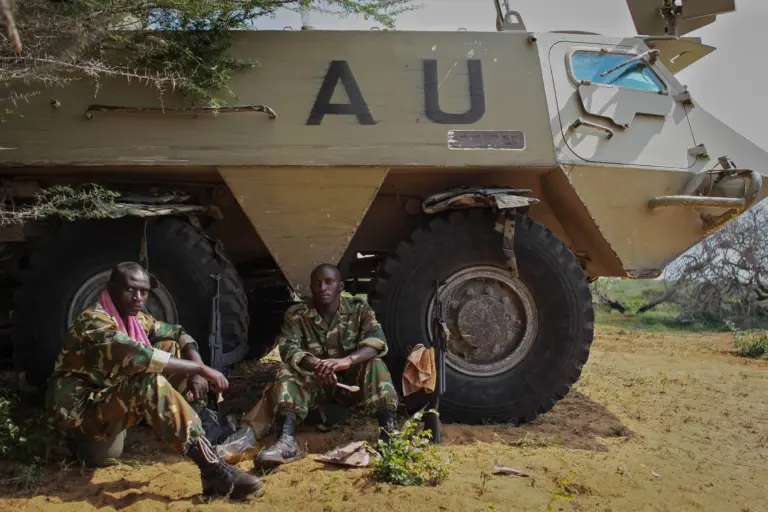
African Union soldiers rest in the shade of a sand-coloured armoured vehicle marked AU during an operation in Somalia.

Africa and the great powers

Africa supplies peacekeepers but lacks a permanent Security Council seat

African states supply a large share of UN peacekeepers yet hold no permanent Security Council seat or veto, despite the 2005 Ezulwini Consensus. Reform stalls because a veto would give Africa real leverage, and African governments have never treated troop contributions as a bargaining instrument.

Ebenezer Makinde ·

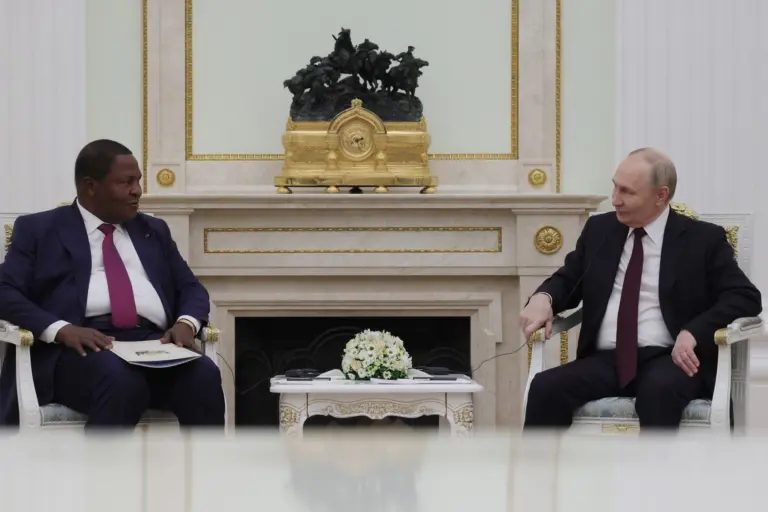
Vladimir Putin and Central African president Faustin-Archange Touadéra sit in talks at the Kremlin in March 2026.

Africa and the great powers

Russia’s Africa Corps retains parts of Wagner’s security bargain

Russia's Africa Corps has inherited parts of Wagner's bargain: regimes in the Central African Republic, Mali and Burkina Faso buy survival with mining concessions, often in gold. The deal protects governments rather than citizens, and it persists because some leaders fear their own populations more than foreign patrons.

Victoria Akindele ·

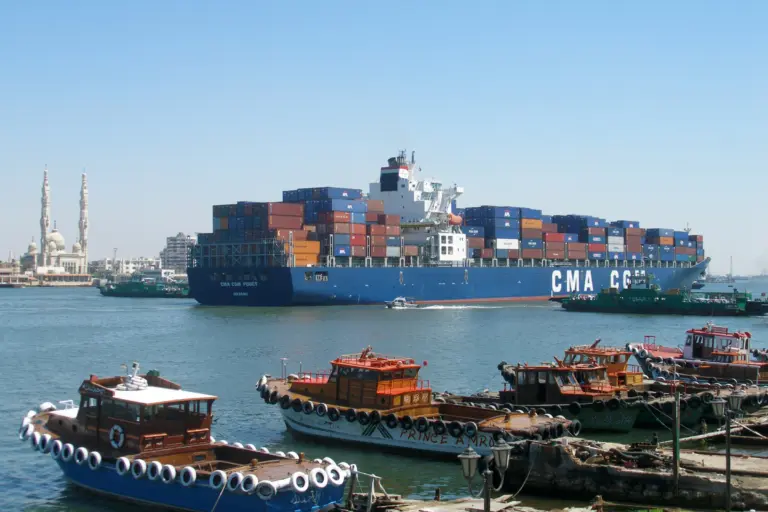
The container ship CMA CGM Puget passes small harbour boats as it transits the Suez Canal at Suez, Egypt.

Africa and the great powers

Red Sea attacks expose African trade to maritime insecurity

Attacks on shipping near the Bab el-Mandeb strait by Iran-aligned forces show how much African trade depends on a chokepoint the continent neither controls nor helps defend. External navies provide protection, and the remedy lies in intra-African trade, diversified routing and a stake in maritime security.

Ebenezer Makinde ·

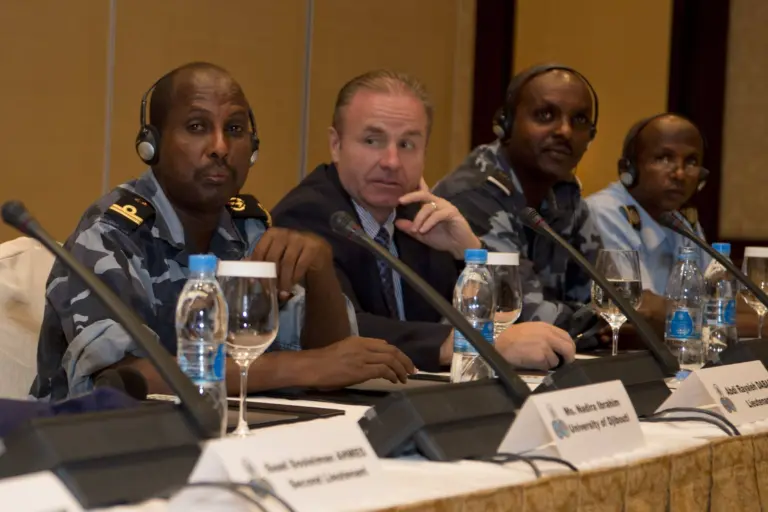
Naval and coastguard officers listen at a maritime security symposium in Djibouti.

Africa and the great powers

Africa’s maritime influence depends on coordination and international law

The Red Sea corridor runs through African geography, yet its security and rules are set by external naval powers, from Combined Task Force 151 to bases in Djibouti. Turning geography into leverage needs a regional maritime authority, a continental position on the law of the sea and investment in Horn security capacity.

McDike Dimpka ·

Earlier in World

Foreign interests complicate Libya’s search for a unified state

Libya's fragmentation since 2011 is sustained by foreign interests, from Turkish and Russian forces to Emirati and Egyptian arms and EU-funded migration control. With attention fixed on Iran, the African Union has lacked the leverage to stop a North African state being partitioned by proxy.

McDike Dimpka

Climate displacement in the Sahel and the limits of legal protection

Climate displacement in the Sahel does not fit refugee frameworks built for political persecution, and climate effects alone do not generally establish refugee status. Until cross-border protection is recognised in law, the cost of drought driven by others' emissions stays with the displaced.

McDike Dimpka

France shifts its approach as African partnerships change

France's exit from Mali, Burkina Faso and Niger redistributes its influence rather than ending it, shifting from garrisons to culture, development finance and corporate presence. Without a redesign of the monetary and economic arrangements of Françafrique, the quieter presence risks being the old one with better public relations.

Victoria Akindele

Trump’s transactional diplomacy tests limits on international power

Donald Trump's second presidency has normalised a transactional diplomacy that favours bilateral deals and coercion over institutions, from the Board of Peace announced at Davos to pressure on Greenland and Canada. For Africa, a world run on deals rewards agility but punishes dependency, making institutional coherence a strategic need.

Jamel Lahiani

South Africa’s diplomatic autonomy carries economic risks

South Africa's ICJ case against Israel, its Ukraine abstentions and deeper BRICS ties have drawn pressure from Washington, including the threat of losing AGOA trade preferences. Its experience shows the economic price middle powers pay for strategic autonomy when no alternative architecture yet absorbs the cost.

Jamel Lahiani

Trump’s NATO policy exposes risks in Africa’s security partnerships

Trump's conditional approach to NATO shows African governments that Western security guarantees depend on a partner's domestic politics. The Sahel's military governments turned to Russia for their own reasons, but the sustainable answer is stronger collective security through the African Peace and Security Architecture.

Jamel Lahiani

African youth seek a stronger voice in climate policy

Africa's youth climate movement has built its own agenda rooted in local conditions, from Lagos flood networks to Sahel agroforestry and Kenyan solar water pumps. Young activists argue that the continent's forests, minerals and solar potential make them stakeholders, not petitioners, in climate negotiations.

Adedoyin Shittu

Sudan’s gold economy and Red Sea interests complicate peace efforts

Sudan's war has resisted resolution partly because it pays. Gold revenue helps sustain both the army and the RSF, while Red Sea competition draws in Gulf states, Iran, Egypt and Russia, so peace requires addressing external incentives, not only brokering a ceasefire.

Adedoyin Shittu