Opens in a new tab

Topic

Energy and climate

Oil, gas, power, renewables, climate finance

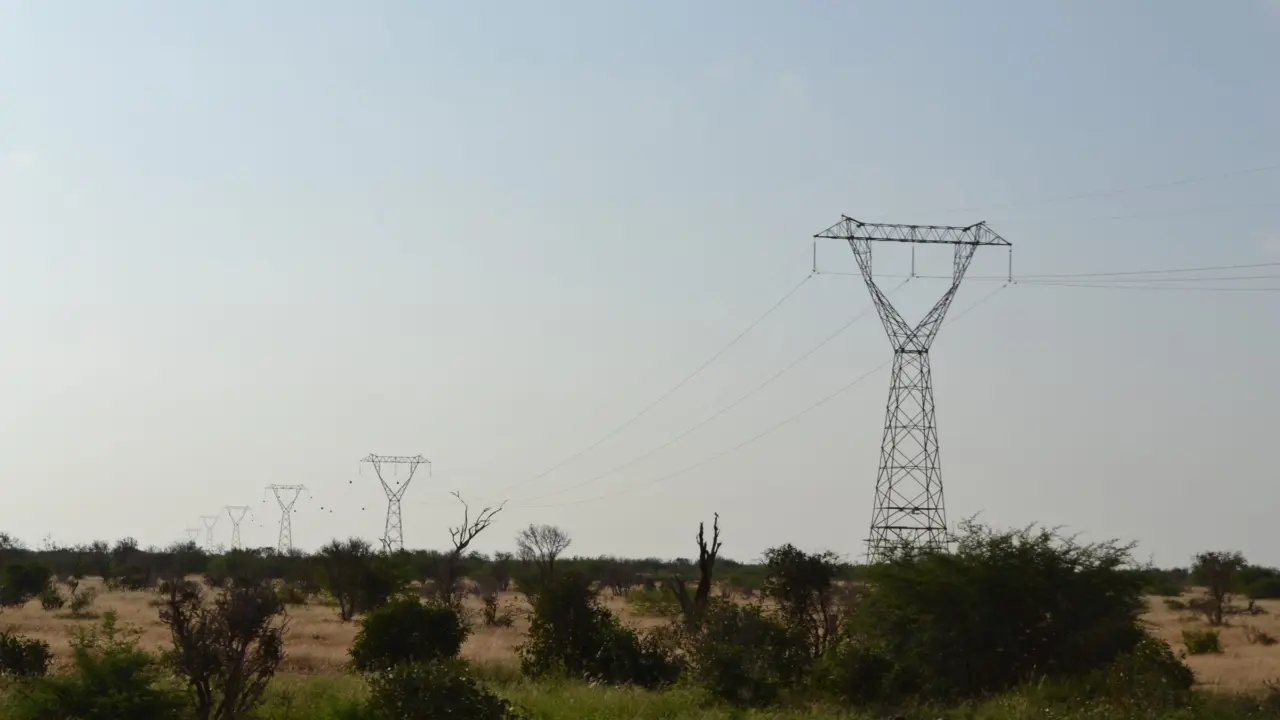
High-voltage electricity transmission line running across dry bush country in Tsavo East National Park, Kenya

Technology

Grid connection decisions shape Africa’s data-centre expansion

Africa has about 360 megawatts of active data-centre capacity and 656 megawatts planned, and power has overtaken connectivity as the main constraint. The decisive choices, interconnection queue order, firm capacity and curtailment ranking, are unpublished, and utilities and regulators should disclose them.


By Kiraithe Daniel Mutemi · · 7 min read

Latest in Energy and climate

Smoking chimneys and buildings of the steel mill at Vanderbijlpark, South Africa, beyond open grassland

Economics

Europe’s carbon border levy leaves a gap in clean-power incentives

The EU's carbon border adjustment mechanism is defensible in principle but unequal in its incidence. It reaches African exporters through contracts, not tax law, and ignores purchased power for steel and aluminium, so the fight that matters is over its annexes.

McDike Dimpka ·

Kenya Airways Boeing 787-8 Dreamliner registration 5Y-KZF taxiing at Amsterdam Schiphol airport

News · Analysis

Fuel costs put Kenya Airways’ thin margins under pressure

Kenya Airways says fuel has risen from about 40 per cent to 50–55 per cent of its operating costs amid Middle East disruption, against a reported net profit of about $1.50 per passenger seat. The airline offers a rare public readout of how a distant chokepoint feeds into Kenyan costs.

Kiraithe Daniel Mutemi ·

Great Ruaha River valley seen from the Mtera hydropower dam in central Tanzania

News · Analysis

Tanzania’s installed power capacity exceeds peak demand

The Julius Nyerere Hydropower Project lifts Tanzania's installed capacity to 4,646 megawatts against peak demand of 2,271. That nameplate surplus becomes economic value only if transmission, industrial tariffs, export contracts and dry-season output turn it into reliable, affordable supply.

Alao Abiodun ·

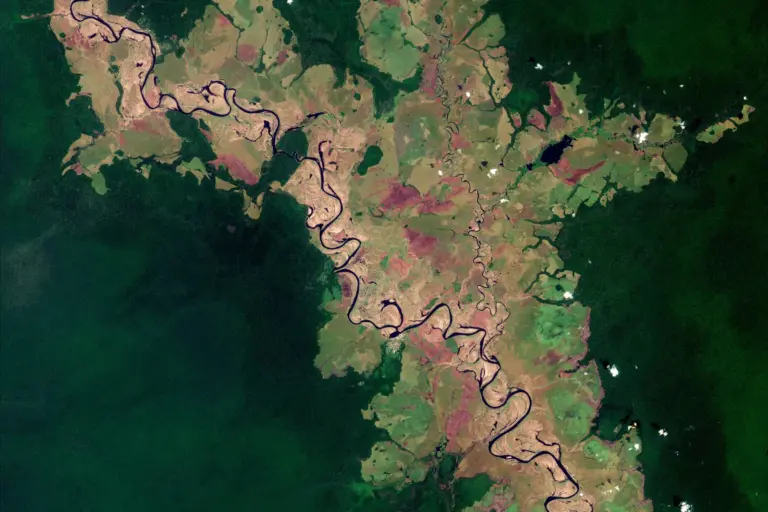
A satellite view of the Likouala-aux-Herbes river winding through cleared land and rainforest in the Republic of Congo.

Technology

Amini’s environmental data raises questions about risk pricing and access

Thin environmental observation across Africa is a priced uncertainty paid by farmers, insurers, borrowers and states, and as venture-backed firms such as Amini close that gap, African states should treat ground-truth data as strategic infrastructure with public access.

Kiraithe Daniel Mutemi ·

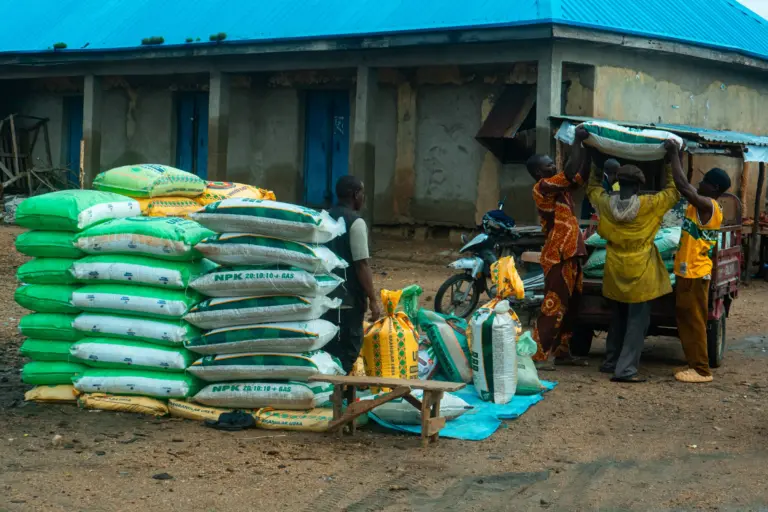
Men offload sacks of chemical fertiliser from a vehicle outside a warehouse in Nigeria

Economics

Hormuz disruption can affect Africa’s fuel, fertiliser and food costs

Disruption at the Strait of Hormuz reaches African farms through higher fuel and gas-based fertiliser costs, a vulnerability rooted in importing inputs the continent could make from its own gas, phosphate and potash, which makes domestic fertiliser capacity a strategic priority.

Ebenezer Makinde ·

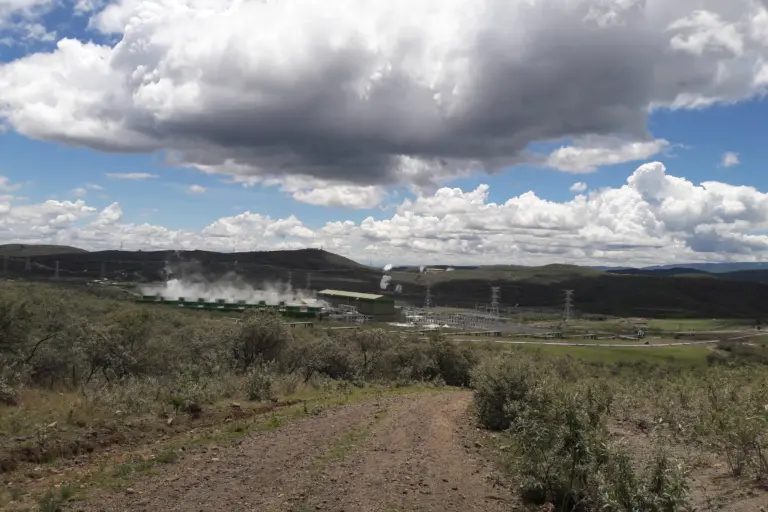
Olkaria V geothermal power station with steam pipes and plant buildings in Hell's Gate National Park, Kenya

Technology

Electricity supply constrains Africa’s data-centre plans

Kenya's suspension of a billion-dollar Microsoft and G42 data centre, which would have drawn roughly a third of national capacity, shows that African digital sovereignty depends first on electricity generation, and compute plans must follow power supply rather than precede it.

Victoria Akindele ·

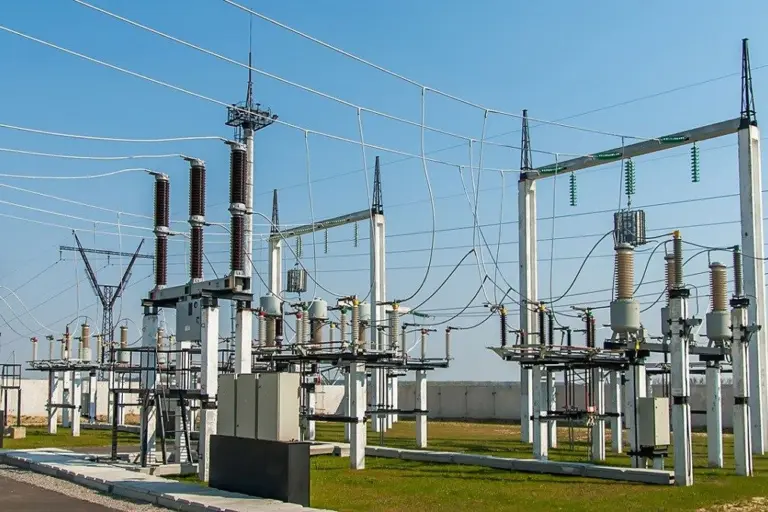
Electrical equipment and transmission lines at a substation.

Economics

Mission 300 tests the institutions behind lasting electricity access

Mission 300, the World Bank and African Development Bank initiative to connect 300 million Africans to electricity by 2030, is a test of state capacity. It relies on utility reform, credible tariffs and private capital for roughly half its financing, capital that avoids the markets with the largest gaps.

Adedoyin Shittu ·

Earlier in Energy and climate

Cabo Delgado’s gas restart and civilian security are different tests

As gas projects in Cabo Delgado move towards restarting, a perimeter secure enough for investors is being mistaken for recovery. The insurgency that began in 2017 has been contained rather than ended, and civilians outside the protected zones still live with attacks and repeated displacement.

Jamel Lahiani

Who captures the value of Africa’s forest carbon credits?

African forest carbon credits have traded at a fraction of comparable credits elsewhere because brokers, verification bodies and buyers outside the continent set the price. Verification capacity, direct government-to-buyer deals like Gabon's and a collective floor price would let African sellers negotiate as equals.

McDike Dimpka

OPEC+ output plans face constraints beyond production targets

Seven OPEC+ countries agreed on 3 May 2026 to a 188,000 barrel a day adjustment, but output targets cannot offset conflict-driven supply disruption. For most African economies the shock arrives through transport costs, food inflation and currency stress, because value is captured in refining and trading outside the continent.

McDike Dimpka

Climate-finance access depends on fund design and institutional capacity

Africa's difficulty in drawing on international climate finance reflects design rather than oversight. Green Climate Fund accreditation demands, private finance that follows credit ratings and risk premiums, and slow JETP disbursement filter out countries without bankable project capacity, and the COP29 goal will be judged on implementation.

McDike Dimpka

Climate plans can support African economic development when projects are funded

African governments are beginning to treat their Nationally Determined Contributions as economic instruments, turning climate commitments into investable pipelines for renewables, climate-smart agriculture and industry. Success depends on bankable projects, regulatory certainty and institution-backed models such as the African Development Bank's Desert to Power.

Michael Chisamba

Nigeria’s NNPC remittance dispute tests fiscal transparency

Nigeria's dispute over what NNPC Limited owes the Federation Account is a contest over who controls the authoritative account of public money. With no binding independent audit, contested data weakens Nigeria's credibility with rating agencies, the IMF and eurobond investors, and unsettles the federal revenue compact with states.

Alao Abiodun

Extreme heat puts pressure on Africa’s health systems

Extreme heat kills an estimated 546,000 people worldwide each year, and Africa's outdoor workforce, informal housing and hospitals without reliable power leave it acutely exposed. Heat adaptation is the maintenance cost of productivity in a world warmed mainly by others, and a measurable loss-and-damage claim.

Alao Abiodun

The Great Green Wall’s progress tests Africa’s adaptation plans

The Great Green Wall's 8,000-kilometre vision is held back by finance more than ideas. Only a fraction of the roughly $33 billion needed by 2030 has reached communities, and restoration succeeds where local people own the work and can stay to maintain it.

Adedoyin Shittu

Climate finance promises leave Africa with a delivery test

COP29 set a goal of at least $300 billion a year in climate finance by 2035, but the mix of grants, loans and private money will decide what reaches African states. African climate diplomacy holds leverage in critical minerals that it has barely used.

Adedoyin Shittu

Record global heat raises Africa’s adaptation challenge

The WMO estimates 2025 was 1.44°C above the 1850–1900 average, a single-year figure distinct from the Paris goal. For Africa, which contributed little to historical emissions, recent heat means altered planting seasons and water stress, demanding planning across every sector and better use of mineral leverage in climate finance.

Adedoyin Shittu