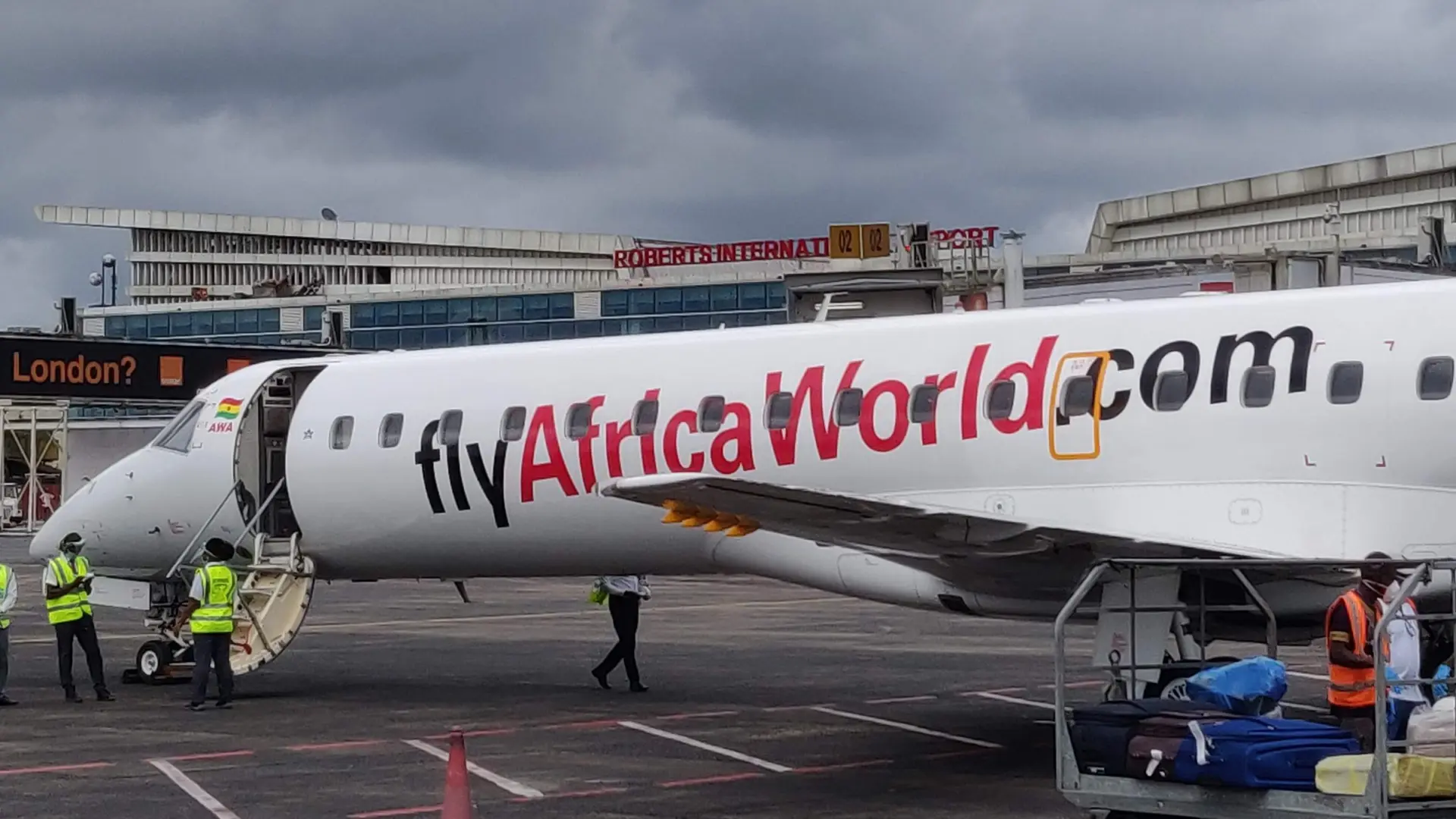
A plane carrying the first group of third-country deportees from the United States landed at Roberts International Airport outside Monrovia on 20 August. Liberian officials said about twenty people were aboard. Roughly fifteen walked off. Five did not. Three Cuban men, a Brazilian man and a Cameroonian woman stayed in their seats and refused to disembark in a country none of them had any connection to. They were reportedly told the aircraft would take them back to the United States. It flew to Malabo, where they were removed against their will and are now held alongside more than thirty other people the administration had sent to Equatorial Guinea earlier.
The flight is the opening instalment of an agreement under which Liberia will accept up to 1,200 third-country nationals over twelve months. What happened to the five shows that protection in these arrangements depends on individual safeguards, not on the deal that names a destination.
Monrovia says the deal is not a quid pro quo, that arrivals may leave Liberia or apply for asylum there, and that the country will receive assistance to administer the programme and strengthen its own migration system. Liberia’s information minister has said the people sent will largely be Latin American nationals, Cubans and Venezuelans among them. Those commitments on asylum, residence and freedom of movement therefore carry practical weight. The question is which obligations each government accepts and how a transferred person can enforce them.
What the law requires
Third-country removal raises questions about protection and procedure that cannot be answered from a passenger count. An order preventing return to a person’s country of origin does not necessarily prevent every third-country transfer. Nor does a bilateral destination agreement establish that any particular transfer is lawful. Each case requires the relevant order, the proposed destination and the risks the individual would face.
The legal question depends on each person’s protection order, the destination and the safeguards available before transfer.
Transferred people should not be described as having no standing to object. UNHCR guidance treats non-refoulement as relevant to third-country transfers as well as direct returns. The protection question includes risks at the destination and any foreseeable onward removal.
The diversion to Malabo leaves those safeguards untested in public. It is not yet known what the five passengers were told, whether they had access to lawyers and an individual risk assessment, or what legal basis supported the onward transfer and their detention.
The precedent
African governments entering these deals have real reasons to do so. Liberia’s relationship with Washington is old and consequential, its fiscal position is tight, and a country that takes the call gets other calls returned. Weighed against that, the immediate cost looks small, because it is measured in the arrival of a few dozen people at a time. The cost that is not small is the precedent that a bilateral understanding can determine where a person ends up after a court has ruled on where they may not be sent, with the ruling intact and the person elsewhere.
The programme should be judged against the published agreement and its implementation. That assessment must examine access to protection procedures, conditions of reception, legal assistance and the ability to challenge an onward transfer. The figures of 1,200 planned arrivals and 20 passengers describe scale. They do not establish whether the safeguards worked for any individual.



