Opens in a new tab

Topic

West Africa

ECOWAS and West African states not covered by their own topic (Ghana, Senegal, Côte d'Ivoire)

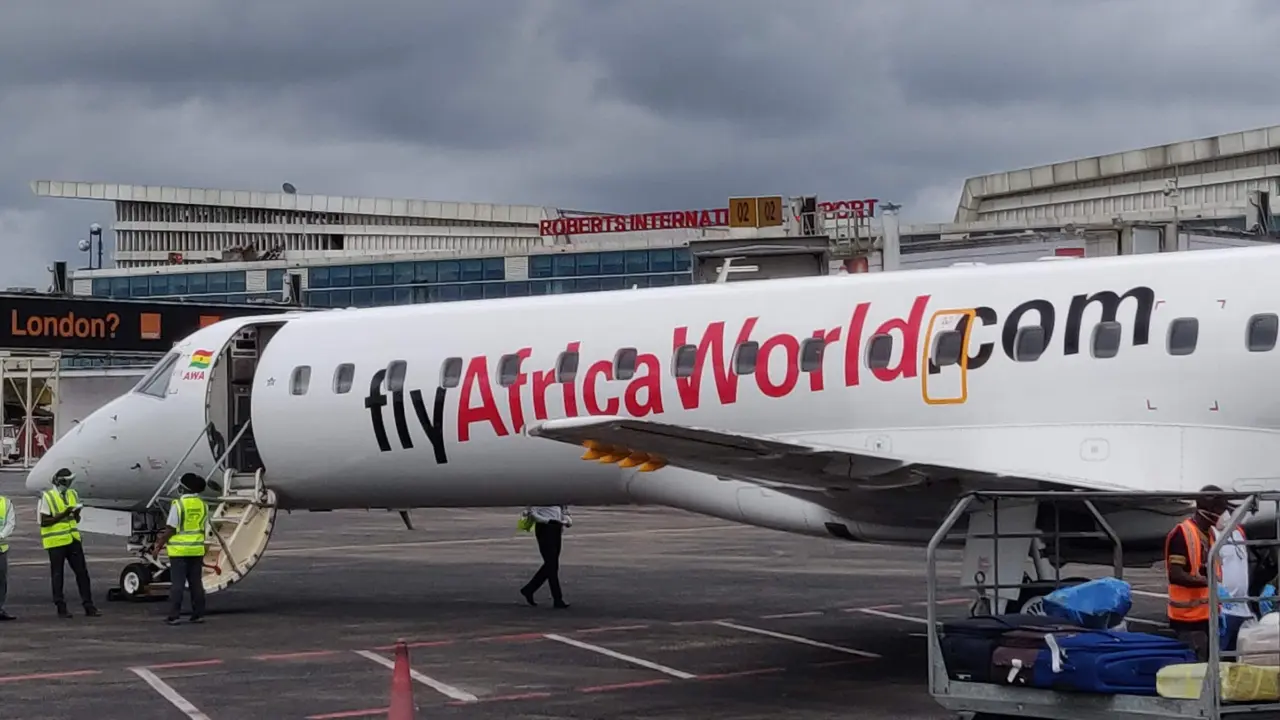
An Africa World Airlines jet stands on the apron at Roberts International Airport in Liberia, with ground staff, a baggage cart and the terminal sign behind it.

News · Analysis

A diverted deportation flight tests third-country safeguards

Liberia has agreed to accept up to 1,200 third-country nationals from the United States over twelve months. When five passengers on the first flight refused to disembark and were flown on to Malabo, the case showed that protection depends on individual safeguards, not on bilateral destination deals.
By McDike Dimpka · · 3 min read

Latest in West Africa

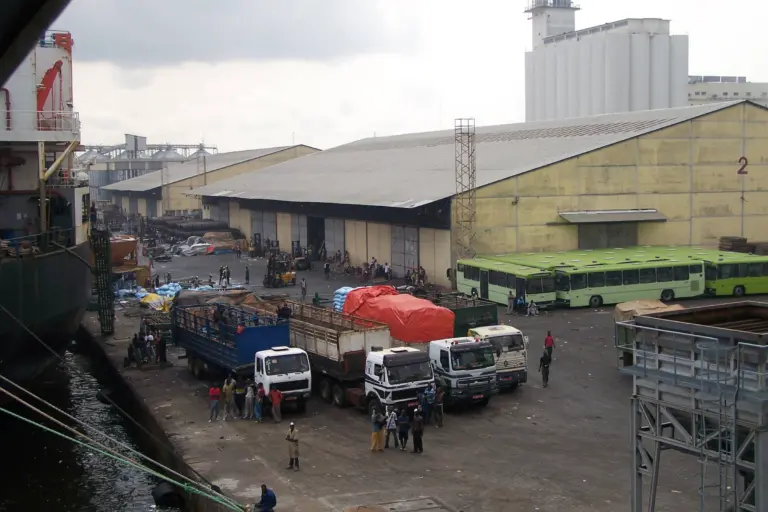
Lorries loaded with cargo parked beside warehouses and silos at the port of Abidjan

Technology

Logidoo’s freight platform highlights the practical work of trade integration

AfCFTA implementation depends on freight interoperability as much as tariff schedules, and in West Africa venture-funded platforms such as Logidoo are building carrier visibility, customs data exchange and return-load matching, so states must set corridor standards before private specifications harden.

Kiraithe Daniel Mutemi ·

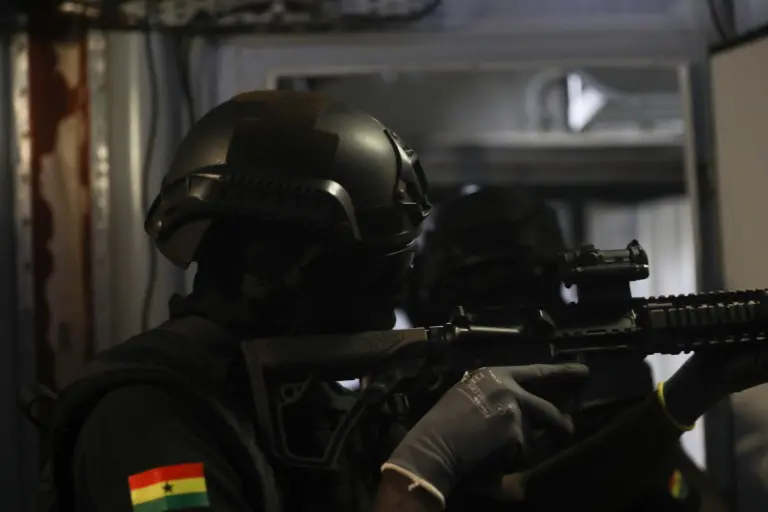
Ghanaian navy personnel aim rifles along a ship's passageway during a boarding exercise.

News · Insight

Private maritime security raises questions in the Gulf of Guinea

Shipowners in the Gulf of Guinea increasingly hire private armed escorts rather than rely on regional navies, and while hijackings have declined, states are licensing armed force they do not command and living with a capacity gap rather than closing it.

Ebenezer Makinde ·

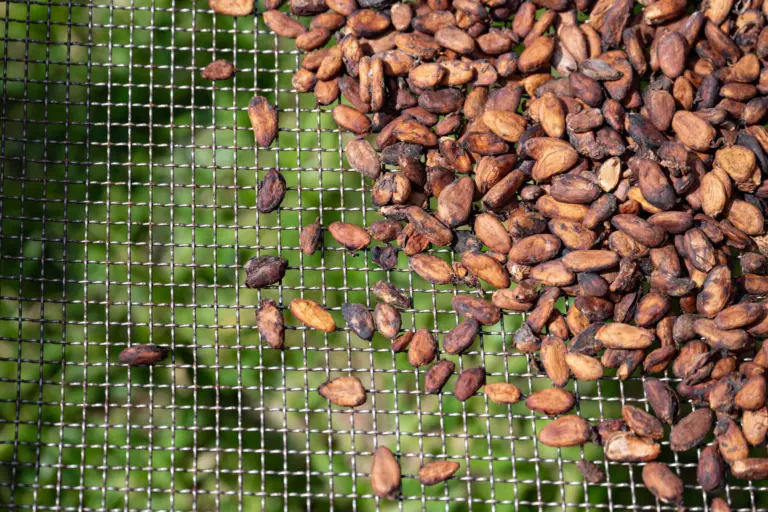
Fermented cocoa beans dry on a wire mesh rack in Soubré, western Côte d'Ivoire.

Economics

Ghana and Côte d’Ivoire seek more influence over cocoa returns

Ghana and Côte d'Ivoire grow roughly two-thirds of the world's cocoa but capture a small slice of chocolate's value. Their coordinated premium may prove to be leverage borrowed from a climate-driven supply squeeze unless it funds domestic grinding, processing and crop resilience.

Adedoyin Shittu ·

The Plateau district of Dakar seen across the water from Gorée island

Economics

Africa’s borrowing costs require scrutiny of perception and fiscal data

African sovereigns can pay borrowing premiums their fundamentals do not explain, partly because foreign rating agencies and crisis-led coverage shape perception. Senegal's discovery of undisclosed debt shows the other half, that repricing African risk depends first on timely, audited and complete fiscal data.

Adedoyin Shittu ·

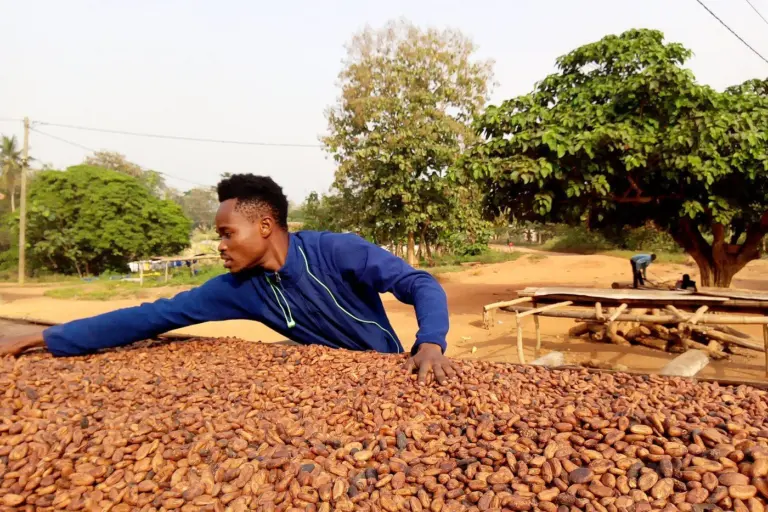
A worker tends cocoa beans laid out to dry in Ghana.

News

Ghana’s cocoa payment strain complicates its recovery picture

Fitch's upgrade of Ghana's sovereign rating came as the state-linked Produce Buying Company faced severe debt pressure and farmers went unpaid for delivered cocoa. Sovereign stabilisation can reach bond markets before the farmgate, and that lag is where Ghana's recovery is most politically fragile.

Victoria Akindele ·

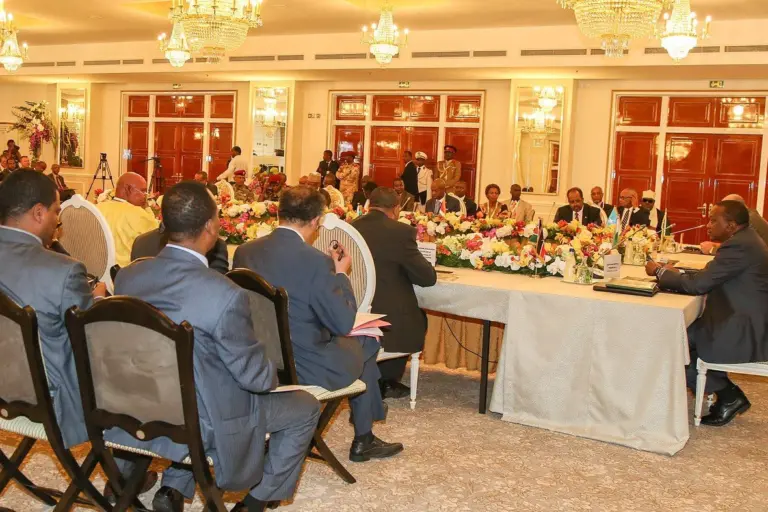
Regional leaders and their delegations sit along a flower-decked table at an East African summit.

News · Insight

Elections and political control can expand at the same time

Elections in Senegal and Ghana in 2024 produced real transfers of power, yet many incumbents are tightening control between elections. Term-limit amendments, media and NGO laws and economic dependency on the state produce a managed pluralism with more participation and less accountability.

Aderonke Ajibade ·

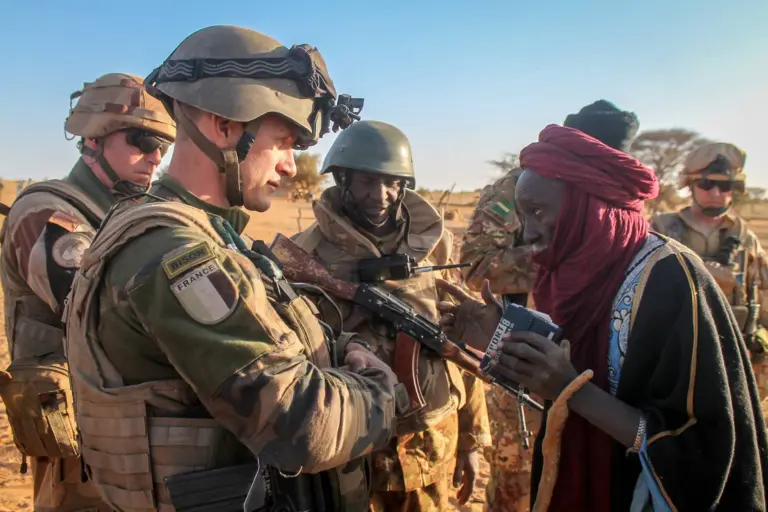
A French soldier of Operation Barkhane talks with an elder in a red turban as Malian and French troops look on.

World

France shifts its approach as African partnerships change

France's exit from Mali, Burkina Faso and Niger redistributes its influence rather than ending it, shifting from garrisons to culture, development finance and corporate presence. Without a redesign of the monetary and economic arrangements of Françafrique, the quieter presence risks being the old one with better public relations.

Victoria Akindele ·

Earlier in West Africa

Intra-African migration can strengthen regional economies

Most African migrants stay within Africa, moving along trade corridors, labour markets and family networks that sustain regional economies. Europe's containment deals have shaped the policy debate instead, yet skills recognition, portable social protection and one-stop border posts would turn that movement into growth.

McDike Dimpka

Senegal’s resource promises face the test of contracts and oversight

President Bassirou Diomaye Faye's pledge of resource sovereignty meets contracts signed before he took office, with stability clauses and international arbitration. Whether Senegal's oil and gas wealth serves the public depends on contract review, a beneficial ownership registry and Petrosen governance, not inaugural speeches.

Alao Abiodun

Senegal and Nigeria’s 2019 elections expose different tests of credibility

Electoral integrity in West Africa was tested twice in February 2019. Senegal's prime minister claimed victory before official results, while Nigeria's poll followed a last-minute postponement and documented intimidation. Both show that credibility depends on independent institutions through counting, collation and legal review.

Aderonke Ajibade

Feminist resistance in the work of Ama Ata Aidoo

Ama Ata Aidoo's fiction, plays and poetry treat African women as intellectual agents who read the structures constraining them. From Our Sister Killjoy to Changes and Anowa, she resisted colonial assumptions and post-independence patriarchy with equal firmness.

Joseph Isaac

George Weah’s path from football fame to presidential responsibility

George Weah, Africa's only Ballon d'Or winner, became Liberia's president in January 2018 carrying expectations no institution could meet. His tenure kept constitutional order and introduced free tuition but faced corruption allegations, and his 2023 defeat by Joseph Boakai showed Liberia could transfer power peacefully.

Victor Kekereekun

Amílcar Cabral built a liberation war on an agronomist’s knowledge of the land

Amílcar Cabral, an agronomist who surveyed Portuguese Guinea in the early 1950s, led the PAIGC's war for the independence of Guinea-Bissau and Cape Verde from 1963 and argued that liberation rests on culture. He was shot dead in Conakry on 20 January 1973, eight months before the PAIGC declared Guinea-Bissau independent.

Joseph Isaac

Thomas Sankara, Africa’s Che Guevara

In four years in power Thomas Sankara renamed his country, put women in government, planted forests and refused foreign aid. He also curbed dissent, and he was killed in the coup of October 1987 that brought Blaise Compaoré to power.

Victoria Akindele

The Dahomey Amazons, the women warriors of the Kingdom of Dahomey

For more than two centuries the Kingdom of Dahomey, in today's Benin, fielded an elite army of women who were trained to withstand great pain, fought to the death and were judged braver than its men. Their story deserves the recognition given to Spartans, Vikings and Samurai.

Victoria Akindele