Opens in a new tab

Topic

Jobs and youth

Youth unemployment, labour markets, migration

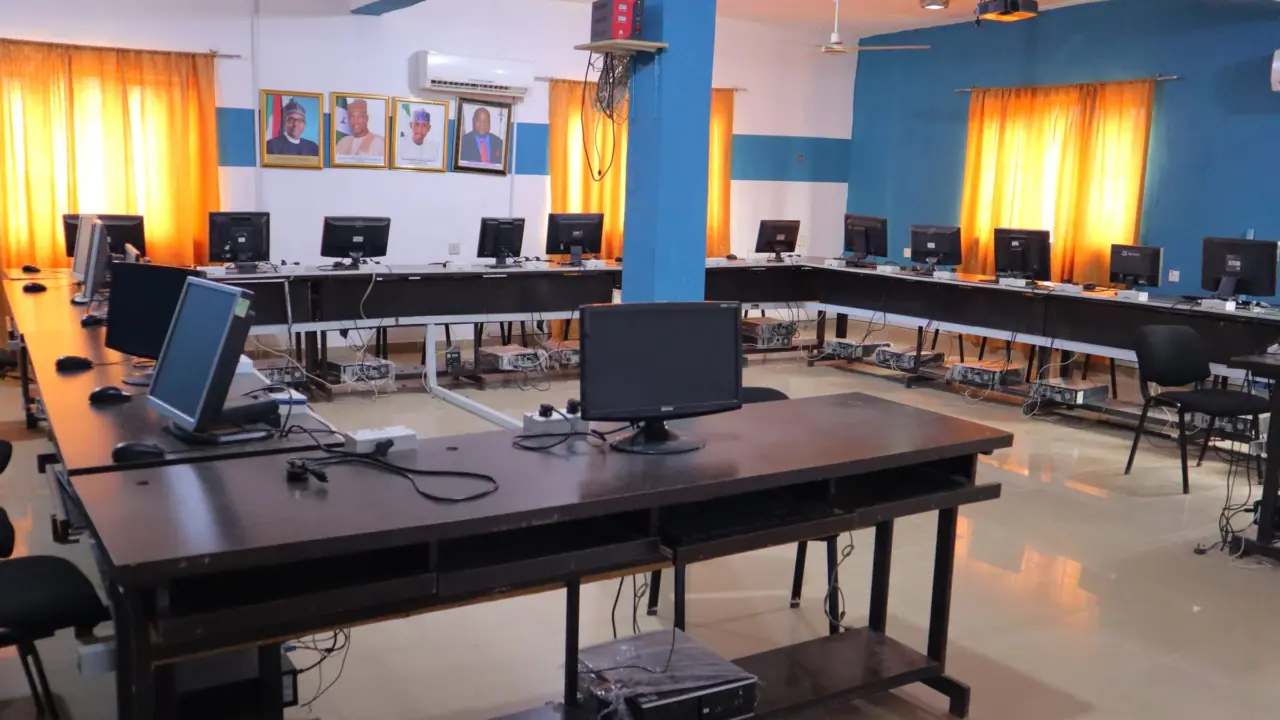
Rows of desktop computers on long desks in an empty e-learning centre at a Nigerian polytechnic.

Technology

Miva’s expansion raises questions about accreditation, access and graduate outcomes

Miva Open University, part of the edtech group uLesson, gained full accreditation for twelve programmes in 2025, part of a steady shift of Nigerian credential authority into private hands. Periodic accreditation cannot match continuous enrolment, and students carry the risk if employers discount the degrees.

By Alao Abiodun · · 6 min read

Latest in Jobs and youth

A large Chowdeck logo sign on a black plinth at an indoor event, lit by stage lights.

Technology · Explainer

Chowdeck’s growth puts delivery dispatch transparency on Nigeria’s agenda

Delivery platforms use algorithmic management to assign work, set pay and shape the cost of refusal. Chowdeck, which reports more than 22,000 riders, does not publish how its dispatch works, and Nigeria has no platform-work law. Transparency is a demand regulators can act on before classification is settled.

Victoria Akindele ·

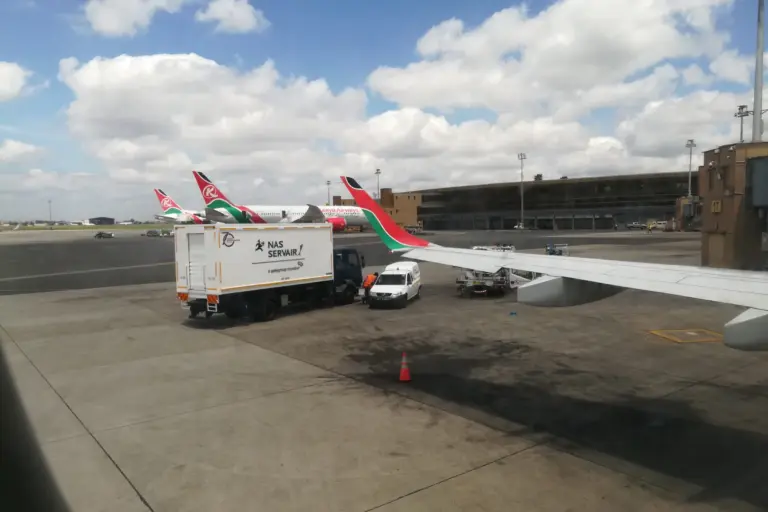
Kenya Airways aircraft stand at the terminal of Jomo Kenyatta International Airport in Nairobi, seen past a plane's wing.

News · Analysis

Kenya’s recruitment cases expose the risks in overseas job promises

Kenya has reported 289 citizens recruited into the Russian military, with at least 69 dead or missing, and its choice to press Moscow rather than prosecute deceived recruits shifts attention to recruitment oversight, consular assistance and information for families.

Adedoyin Shittu ·

The United States Embassy compound in Nairobi seen from above among trees

World

US visa rules make African mobility more conditional

US entry rules in 2026 did not ban Africans as a class but layered a full suspension, partial restrictions and visa bonds into a regime Washington can adjust at will, as the World Cup bond waiver showed. Contesting it needs a mobility evidence base African governments have yet to build.

McDike Dimpka ·

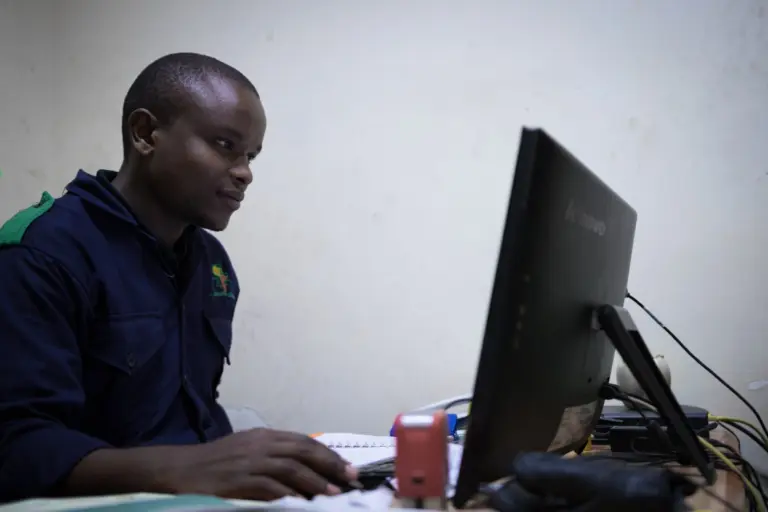
Young Kenyan man in a dark jacket working at a desktop computer in an office

Technology

Kenya’s AI data workers bear costs that contracts can obscure

Kenyan data workers employed through outsourcing firms such as Sama have reviewed traumatic material to train AI systems for low pay and limited support. The AI developer captures most of the value, and Kenya has yet to use its leverage to set protections for hazardous digital work.

Kiraithe Daniel Mutemi ·

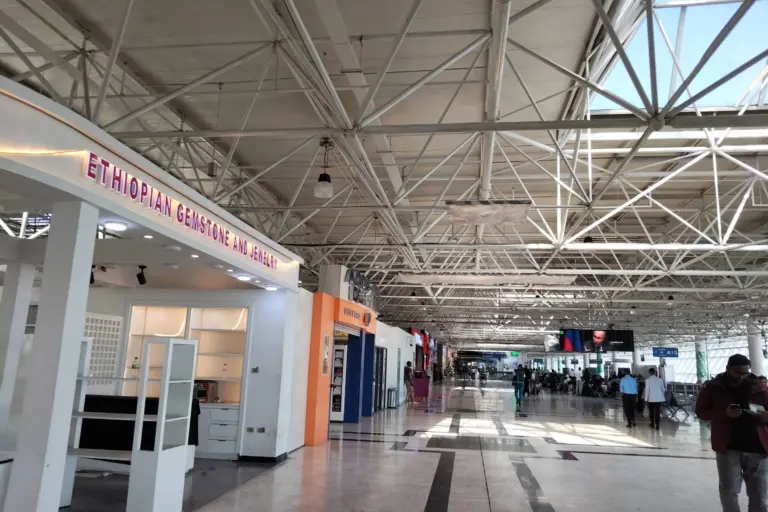
A concourse at Addis Ababa Bole International Airport.

World · Insight

Africa’s free movement protocol still faces a ratification gap

The African Union's 2018 free movement protocol remains short of the fifteen ratifications it needs to enter into force, held back by migration, visa revenue and security anxieties. ECOWAS has run a functional free movement regime since 1979, showing integration advancing faster at regional level.

Adedoyin Shittu ·

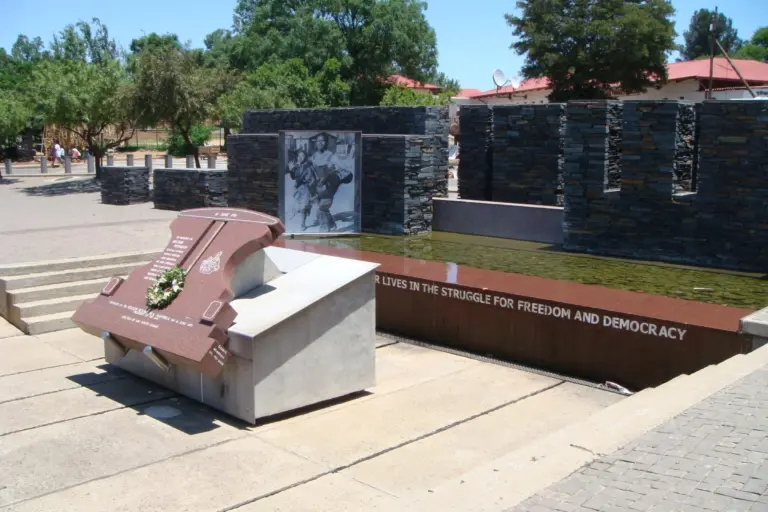
The Hector Pieterson Memorial in Soweto commemorating the 1976 student uprising

Culture

Soweto’s legacy and the language of opportunity in South Africa

Half a century after the Soweto uprising against Afrikaans instruction, South Africa recognises twelve official languages, but thin resourcing of mother-tongue teaching still pushes many pupils into English before they are ready, linking the language of schooling to youth exclusion from the labour market.

Victor Kekereekun ·

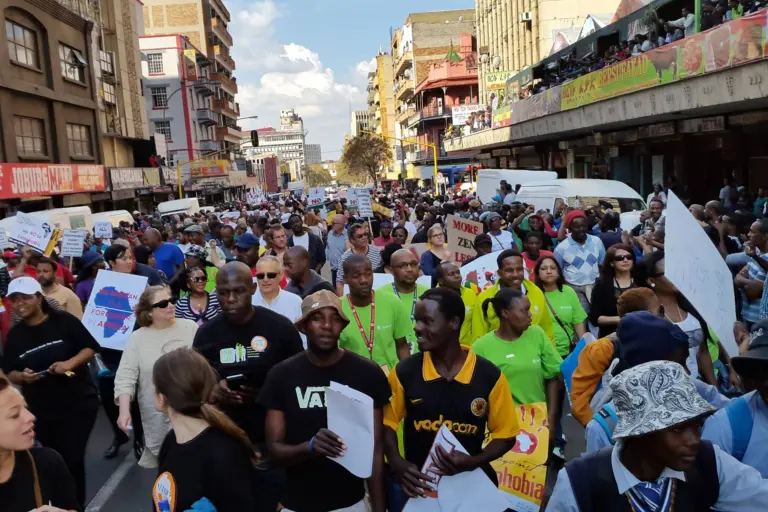
Thousands march through central Johannesburg against xenophobic violence, carrying placards reading "No African is a foreigner in Africa".

News

Violence against migrants tests South Africa’s regional relationships

Violence against foreign nationals in South Africa became a continental diplomatic issue as Ghana, Nigeria, Kenya, Malawi, Lesotho and Zimbabwe responded. South African business draws value from regional integration while migrants face attack on the street, exposing how far pan-African solidarity lags behind its rhetoric.

Aderonke Ajibade ·

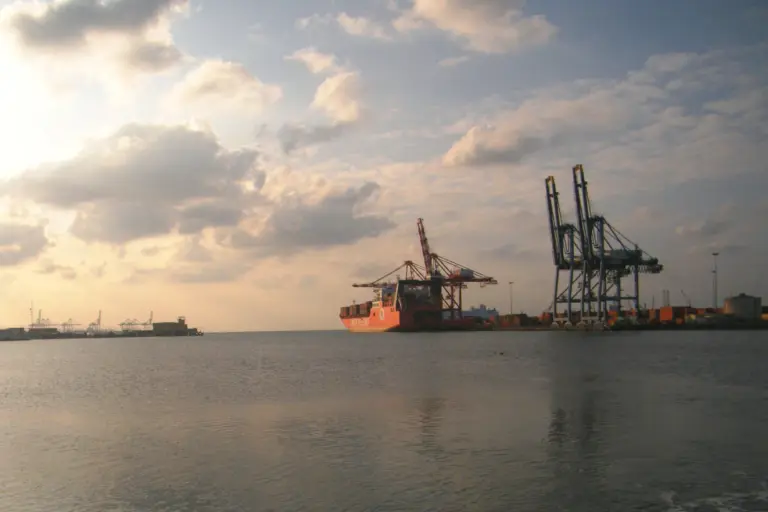
A container ship and gantry cranes at the port of Djibouti at sunset.

Economics

Africa’s growth prospects depend on the terms of trade and investment

Africa's headline growth conceals sharp differences between economies and a gap between growth and jobs for a population over 60 per cent under 25. The AfCFTA, the Pan-African Payments and Settlement System and the AU's G20 seat outline an economic sovereignty architecture that is underway but incomplete.

Michael Chisamba ·

Earlier in Jobs and youth

Climate displacement in the Sahel and the limits of legal protection

Climate displacement in the Sahel does not fit refugee frameworks built for political persecution, and climate effects alone do not generally establish refugee status. Until cross-border protection is recognised in law, the cost of drought driven by others' emissions stays with the displaced.

McDike Dimpka

Nigeria’s brain drain and the futures left behind

Nigeria's brain drain is a governance outcome, not a failure of ambition. More than 4,000 Nigerian-trained doctors registered with the UK General Medical Council between 2020 and 2023, and $20.9 billion in 2022 remittances cannot replace the specialists and institutions lost.

Daniel Whyte

Why global poverty is increasingly concentrated in Africa

Extreme poverty has fallen globally since 1990 but is increasingly concentrated in sub-Saharan Africa, where conflict, fragility and job-light extractive industries limit gains. On the World Bank's $3 a day line, about 838 million people worldwide lived in extreme poverty in 2022.

Victoria Akindele

African youth seek a stronger voice in climate policy

Africa's youth climate movement has built its own agenda rooted in local conditions, from Lagos flood networks to Sahel agroforestry and Kenyan solar water pumps. Young activists argue that the continent's forests, minerals and solar potential make them stakeholders, not petitioners, in climate negotiations.

Adedoyin Shittu

Reliable power and working conditions matter to retaining Africa’s health workers

Health workers leave African systems over delayed pay, missing equipment and poor conditions, and unreliable electricity, which a 2023 WHO-led report found affected about half of sub-Saharan health facilities, is part of that picture. Retention depends on dependable pay, safe facilities and career paths.

Daniel Whyte

Nigeria’s medical migration exposes failures in workforce planning

Nigeria's doctor brain drain quadrupled the flow to Britain's medical register between 2017 and 2022. Public money trains doctors who then fill gaps abroad, but unpaid salaries and underbuilt hospitals mean the Nigerian state shares responsibility for the shortage.

Daniel Whyte

Africa’s digital policies need to connect skills, infrastructure and inclusion

Africa's young population could become an advantage in the Fourth Industrial Revolution, but only if digital policy links skills, infrastructure and inclusion. Reskilling workers to use platforms built and governed abroad is progress and a ceiling, and harmonised continental digital markets would strengthen bargaining power.

Kiraithe Daniel Mutemi

Athlete migration raises questions about welfare and opportunity

When 13 African athletes went missing from their delegations at the 2018 Commonwealth Games, the focus fell on them rather than on the states they left. Weak pay, thin injury cover and politicised federations can make departure a rational calculation that loyalty campaigns cannot neutralise.

Victor Kekereekun

South Africa’s liberation legacy faces a test of delivery

South Africa won liberation but not the institutional culture needed to turn moral authority into economic transformation. Youth unemployment, state capture and xenophobic violence show a democracy whose institutions are sound in form yet hollow in delivery, a lesson for every post-liberation state.

Adedoyin Shittu