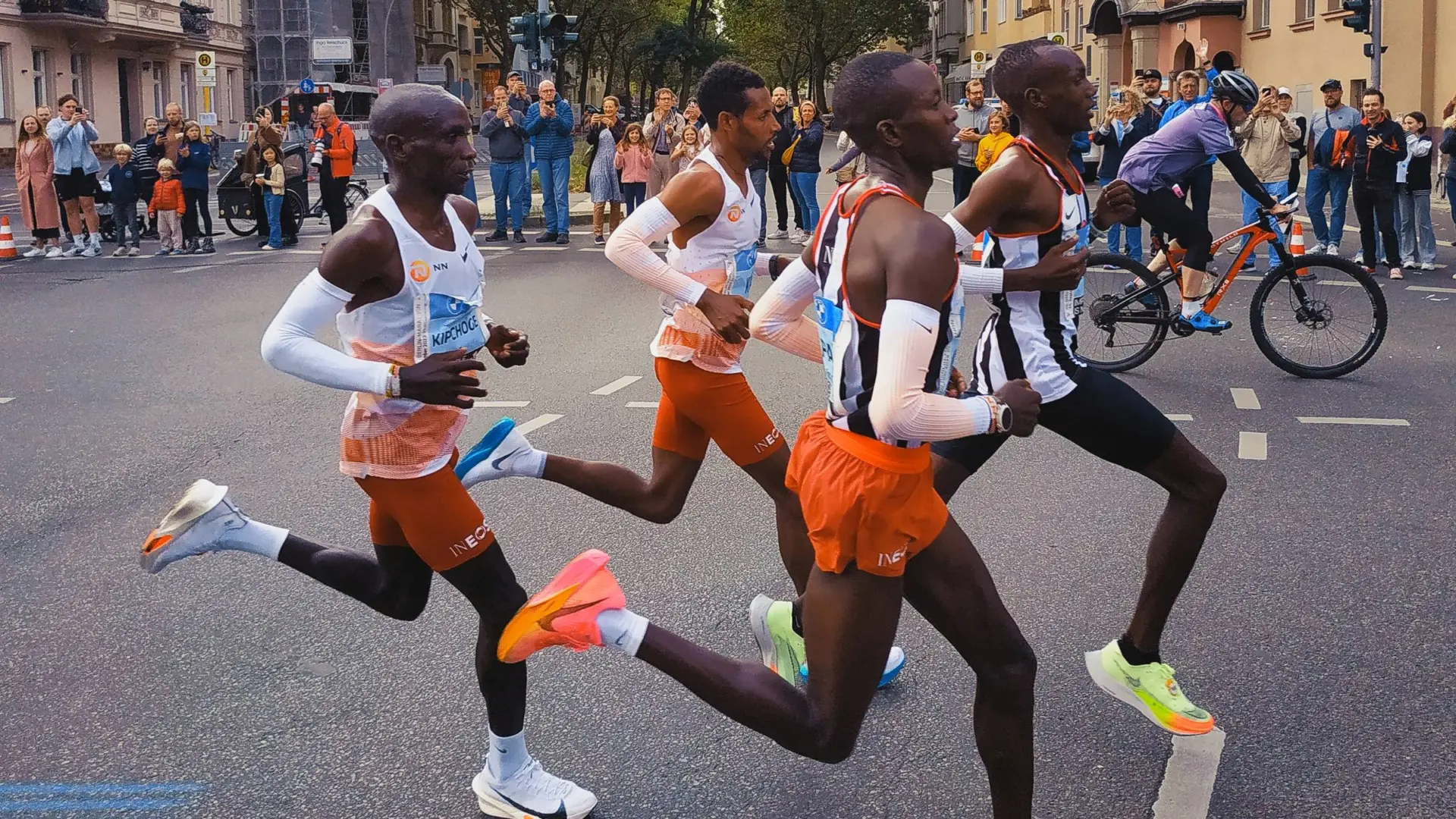
Kenya’s distance runners have built one of the strongest records in world athletics over six decades, and the institutions of Kenya athletics now matter as much as the athletes. That success rests on training environments, coaching networks and economic incentives rather than on any presumed ethnic physiology. Sustaining it depends on anti-doping systems that are funded and credible, on federations that are accountable, and on commercial terms that leave athletes a fair share of what they earn. On each of those counts the record since 2017 shows both progress and failure.
How Kenya built its running record
The high-altitude towns of Iten, in Elgeyo-Marakwet County at about 2,400 metres, and Eldoret, in Uasin Gishu County at about 2,100 metres, are the centres of Kenyan distance running. Their camps are run largely by private management groups, training squads linked to foreign agents and self-funded runners, not by clubs with salaried athletes. Explanations that reduce this to an ethnic group’s natural talent miss the structures that produce champions and the choices athletes make within them.
The careers of Kenya’s best-known athletes show how those structures changed. Kip Keino won Olympic gold in 1968 and 1972, in an era of state-backed breakthroughs. Henry Rono broke four world records in 81 days in 1978 through the US collegiate system, missed two Olympic Games because of boycotts and struggled financially after his career; he died in February 2024. Paul Tergat, a five-time world cross-country champion and former marathon world-record holder, moved into administration as head of the National Olympic Committee of Kenya. Tegla Loroupe, a former marathon world-record holder, became a peace advocate and chef de mission of the Olympic Refugee Team. David Rudisha, twice Olympic 800 metres champion, still holds the world record he set in London in 2012. Eliud Kipchoge, twice Olympic marathon champion, built a corporate-sponsored career on a global scale.
Doping, integrity and the cost of enforcement
Credibility is the sport’s most fragile asset. Under Rule 15 of the World Athletics anti-doping rules, Athletics Kenya is a Category A federation, the highest-risk tier. Elite Kenyan athletes must undergo at least three no-notice out-of-competition tests in the ten months before a major championship. The Athletics Integrity Unit, created in 2017, has sanctioned more than 140 Kenyan athletes. In June 2024 it banned Rhonex Kipruto for six years over abnormalities in his Athlete Biological Passport, which cost him his 10 kilometres road world record. In July 2024 Lawrence Cherono received a seven-year ban for the use of trimetazidine and for tampering. In 2025 the marathon world-record holder Ruth Chepngetich was provisionally suspended after testing positive for hydrochlorothiazide.
Enforcement depends on money. In late 2022 Kenya avoided a World Athletics suspension by pledging $5 million a year for five years to anti-doping work. In September 2024 Treasury cuts reduced the Anti-Doping Agency of Kenya’s operational allocation from Ksh 298 million to Ksh 20 million. In September 2025 the World Anti-Doping Agency placed the agency on a non-compliance watchlist over 35 unresolved corrective actions. Clean athletes pay for these failures through wider suspicion, but neither innocence nor guilt can be assigned to all Kenyan competitors. Individual cases rest on AIU decisions; institutional failings show up in budgets and compliance records.
Athletes’ share of the money
The commercial stake is large. During the 2020 shutdown of global racing, Barnaba Korir, Athletics Kenya’s athletes’ representative, estimated that Kenya’s pool of more than 1,000 elite runners stood to lose over Ksh 5 billion, about $50 million, in a single year of prize money, appearance fees, time bonuses and shoe endorsements. Much of that money never reaches Kenya. Wesley Korir, the former Boston Marathon winner and member of parliament, and the athlete representative Martin Keino have described runners losing 50 to 60 per cent of gross winnings before the money arrives: typically 30 per cent in host-country withholding tax, such as the US rate on foreign contractors, 15 per cent to a foreign agent and 5 to 10 per cent to managers, coaches and camps. Recurring disputes with the Kenya Revenue Authority since 2012 over taxing prize money already taxed abroad threatened to cut take-home pay further.
Value also leaks at home. In 2018 the IAAF Ethics Board banned David Okeyo, a former Athletics Kenya secretary-general, for life over the misuse of funds from the federation’s Nike sponsorship, money intended for athlete development. Foreign-run camps in Iten and Eldoret, by contrast, offer coaching, medical care, pacing and entry to the World Marathon Majors, which explains why many athletes accept a 15 per cent commission for foreign representation. Athletes’ share of commercial income deserves the same scrutiny as their results. Other African running nations face the same question, as the case of Ethiopia’s sporting institutions shows.
Judged from the athletes’ side, reform means transparent splits of prize money and appearance fees, proper injury insurance, independent legal representation and security for careers after competition, the gaps that also drive athlete migration. Policy should widen athletes’ options, including their ability to choose representation and seek redress. Kenya’s sporting future will be shaped by funded integrity systems, competent coaching and accountable federations as much as by medals and records.



