Opens in a new tab

Topic

South Africa

South African politics, economy and society

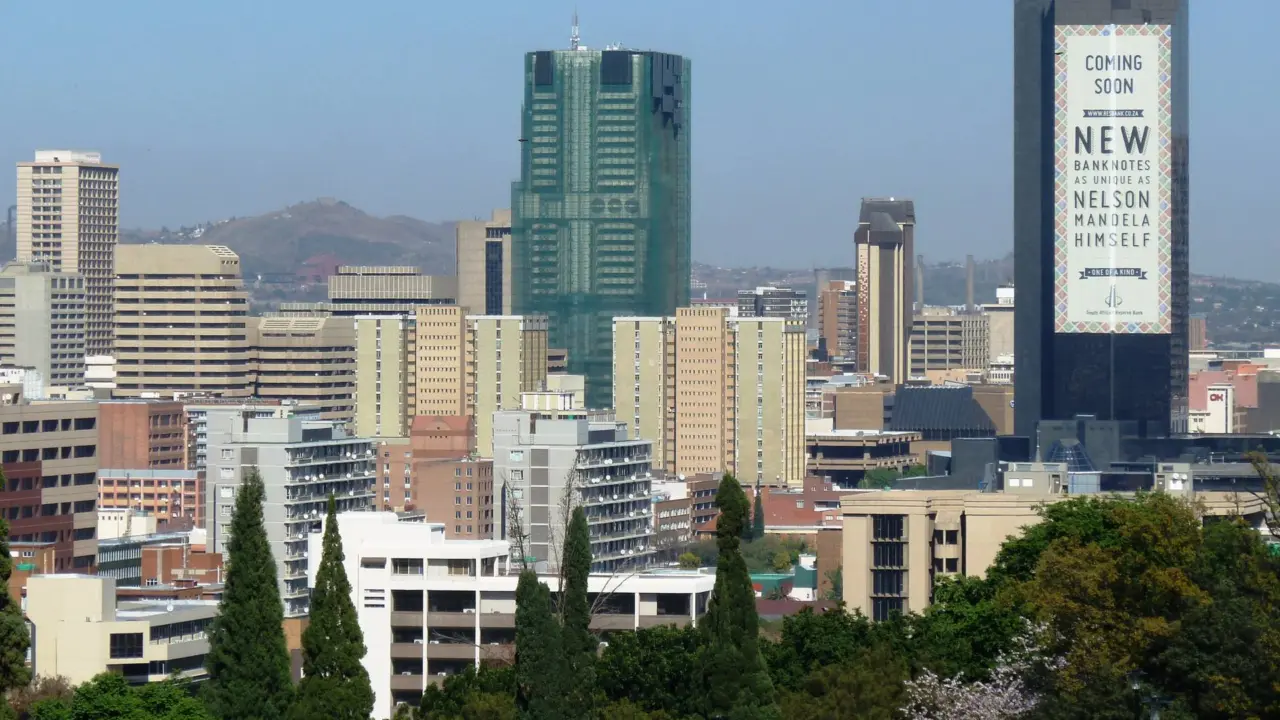
Pretoria’s city centre with the dark South African Reserve Bank tower on the right, carrying a banner for new banknotes.

Technology

Stitch’s Efficacy acquisition expands access to South African card acquiring

Stitch's July 2025 purchase of Efficacy Payments brought a designated clearing-system participant into the group, one of very few non-banks able to clear directly on South Africa's payment rails. Where market entry depends on a permission, competition can shift from products to acquiring companies already inside.

By Kiraithe Daniel Mutemi · · 5 min read

Latest in South Africa

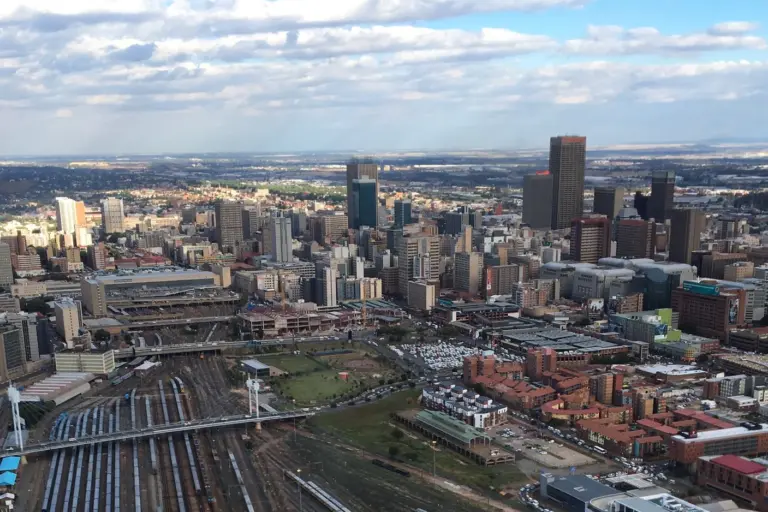
An aerial view of central Johannesburg's towers and rail yards under scattered cloud.

Technology

Lelapa’s 400-million-parameter model puts African-language data first

Lelapa AI's InkubaLM, a 400-million-parameter model trained on about 2.4 billion tokens across five African languages plus English and French, shows a small model can target scarce-data languages. Its released corpora may outlast the model, making their licensing a public-infrastructure question.

Victoria Akindele ·

Terraced walls of the vast Palabora open pit mine at Phalaborwa, South Africa

Economics · Analysis

Public finance helps advance African rare-earth projects

The US International Development Finance Corporation's $50 million equity support for the Phalaborwa rare-earth project puts public capital in at the feasibility stage, when processing and offtake terms are drafted. Host governments have the most leverage before a project becomes bankable, not at the construction decision.

Adedoyin Shittu ·

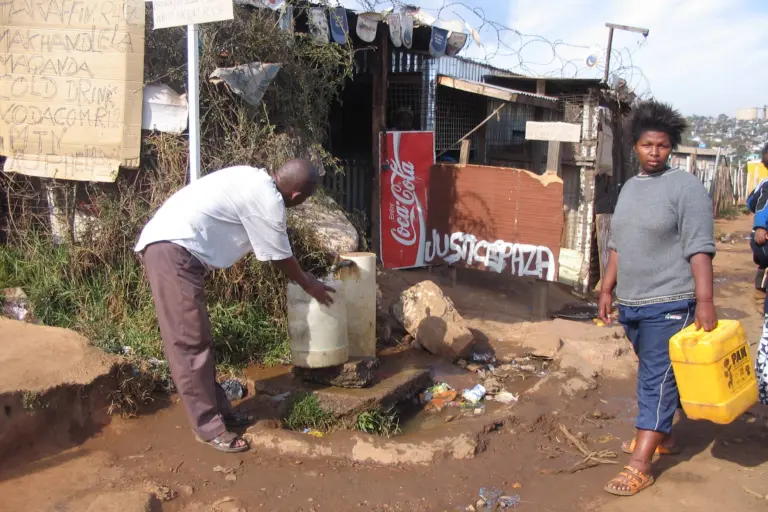
Residents collect water at a communal standpipe in Soweto, Johannesburg.

News · Analysis

Johannesburg’s water failures reveal the unequal costs of poor services

Johannesburg loses about 655 million litres of water a day, roughly a third of supply, as households that can afford boreholes leave the network. The real test of South African reform is whether non-revenue water falls and municipal connections recover, not what national budget speeches promise.

Alao Abiodun ·

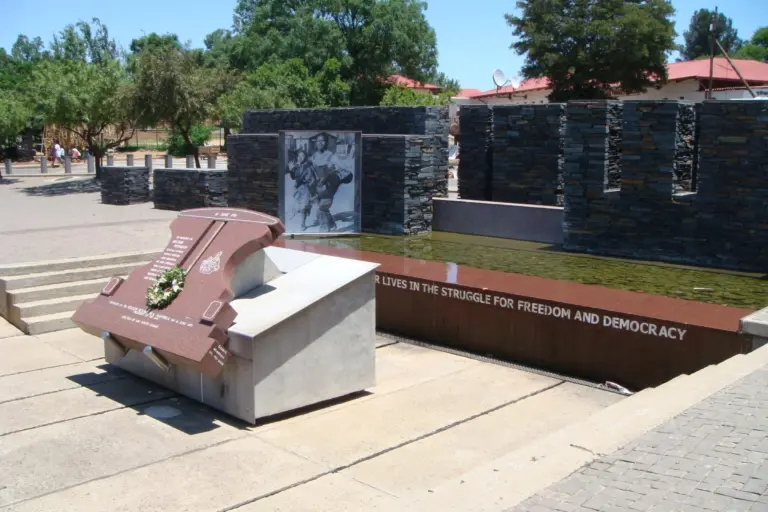
The Hector Pieterson Memorial in Soweto commemorating the 1976 student uprising

Culture

Soweto’s legacy and the language of opportunity in South Africa

Half a century after the Soweto uprising against Afrikaans instruction, South Africa recognises twelve official languages, but thin resourcing of mother-tongue teaching still pushes many pupils into English before they are ready, linking the language of schooling to youth exclusion from the labour market.

Victor Kekereekun ·

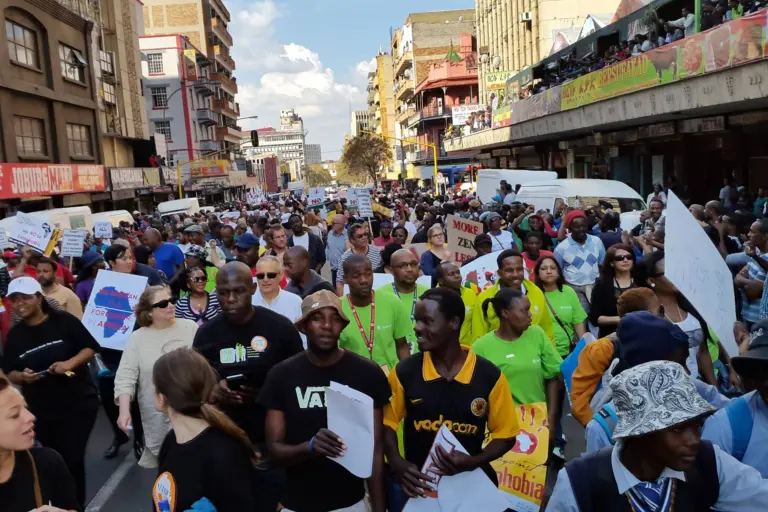
Thousands march through central Johannesburg against xenophobic violence, carrying placards reading "No African is a foreigner in Africa".

News

Violence against migrants tests South Africa’s regional relationships

Violence against foreign nationals in South Africa became a continental diplomatic issue as Ghana, Nigeria, Kenya, Malawi, Lesotho and Zimbabwe responded. South African business draws value from regional integration while migrants face attack on the street, exposing how far pan-African solidarity lags behind its rhetoric.

Aderonke Ajibade ·

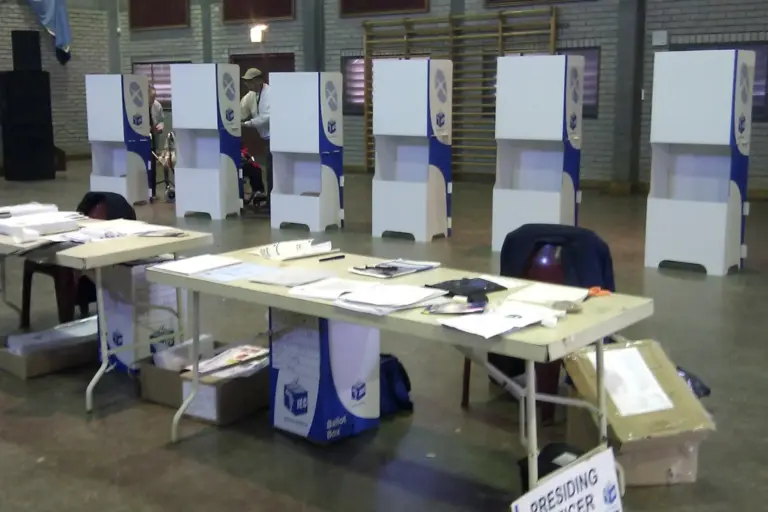
Voting booths and a ballot box marked IEC inside a South African polling station, with the presiding officer's sign in the foreground.

News · Insight

South Africa’s coalition and watchdogs face an institutional test

South Africa's institutions are not failing as they did in the Zuma era, but they face quieter, cumulative pressure. Underfunding of the IEC, NPA and other watchdogs, and the compromises of coalition government since the ANC lost its majority in 2024, risk normalising lower institutional performance.

McDike Dimpka ·

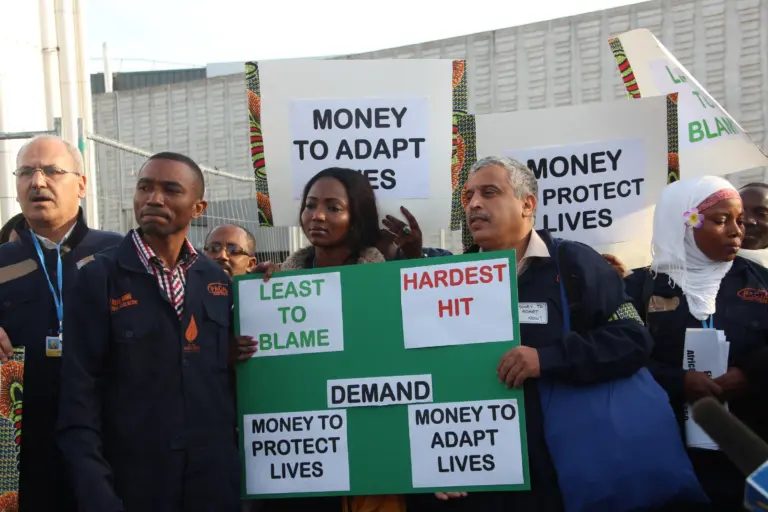
Climate campaigners hold placards calling for adaptation finance.

Economics

Climate-finance access depends on fund design and institutional capacity

Africa's difficulty in drawing on international climate finance reflects design rather than oversight. Green Climate Fund accreditation demands, private finance that follows credit ratings and risk premiums, and slow JETP disbursement filter out countries without bankable project capacity, and the COP29 goal will be judged on implementation.

McDike Dimpka ·

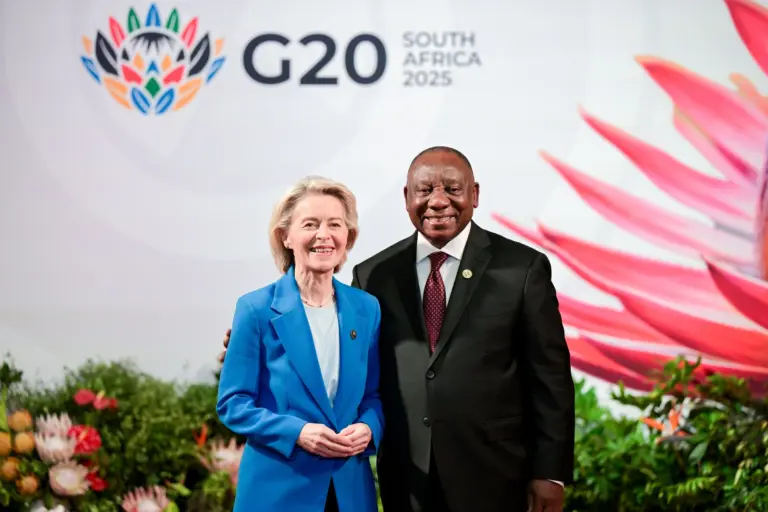
Cyril Ramaphosa and Ursula von der Leyen meet at a G20 event.

World

South Africa’s diplomatic autonomy carries economic risks

South Africa's ICJ case against Israel, its Ukraine abstentions and deeper BRICS ties have drawn pressure from Washington, including the threat of losing AGOA trade preferences. Its experience shows the economic price middle powers pay for strategic autonomy when no alternative architecture yet absorbs the cost.

Jamel Lahiani ·

Earlier in South Africa

South Africa’s sporting success leaves a test of access and opportunity

South Africa's four Rugby World Cup titles and Siya Kolisi's captaincy show real change, yet school sport remains stratified by race and class and media revenue rarely reaches grassroots development. Sporting success can symbolise transformation but cannot substitute for land, education and capital.

Victor Kekereekun

Malema’s ‘Kill the Boer’ chant and the politics of interpretation

South Africa's Supreme Court of Appeal ruled in 2024 that the Kill the Boer chant, read in context, is protected political expression. Its recasting by Donald Trump and Elon Musk as proof of white genocide displaces the country's real argument over land, inequality and redress.

Victoria Akindele

South Africa’s liberation legacy faces a test of delivery

South Africa won liberation but not the institutional culture needed to turn moral authority into economic transformation. Youth unemployment, state capture and xenophobic violence show a democracy whose institutions are sound in form yet hollow in delivery, a lesson for every post-liberation state.

Adedoyin Shittu

Rafah and South Africa’s legal challenge test African diplomacy

South Africa's genocide case at the International Court of Justice, filed in December 2023, turned African solidarity on Gaza into legal action. The Rafah operation exposed the African Union's declaratory approach and a double standard in international law that will shape African positions in multilateral debates.

Alao Abiodun

South Africa’s TRC leaves unfinished questions of redress

South Africa's Truth and Reconciliation Commission documented apartheid's crimes with courage, but it traded accountability for disclosure and could not deliver redress. Reparations were cut in implementation, businesses that benefited were not required to contribute, and demands over land and fees continue that unfinished work.

Joseph Isaac

South Africa’s 1994 transition left economic questions unresolved

South Africa's 1994 settlement transferred political power while constitutional protections kept apartheid-era economic structures largely intact. Persistent inequality, high unemployment and slow land reform are inherited consequences of that sequencing, and the ANC's loss of its majority in 2024 has reopened the transition's unfinished business.

Joseph Isaac

South Africa’s democracy 30 years on

Thirty years after apartheid, South Africa has a celebrated constitution, regular free elections and courts that hold power to account, but corruption, mass unemployment and deep inequality mean the promise of the Rainbow Nation is only partly kept.

Joseph Isaac

Steve Biko’s death and the struggle for accountability

Steve Biko died in police custody on 12 September 1977 after interrogation in Port Elizabeth, and no officer was ever charged. His death intensified international pressure on apartheid, including the first mandatory UN arms embargo, while the Black Consciousness ideas he shaped endured.

Victoria Akindele