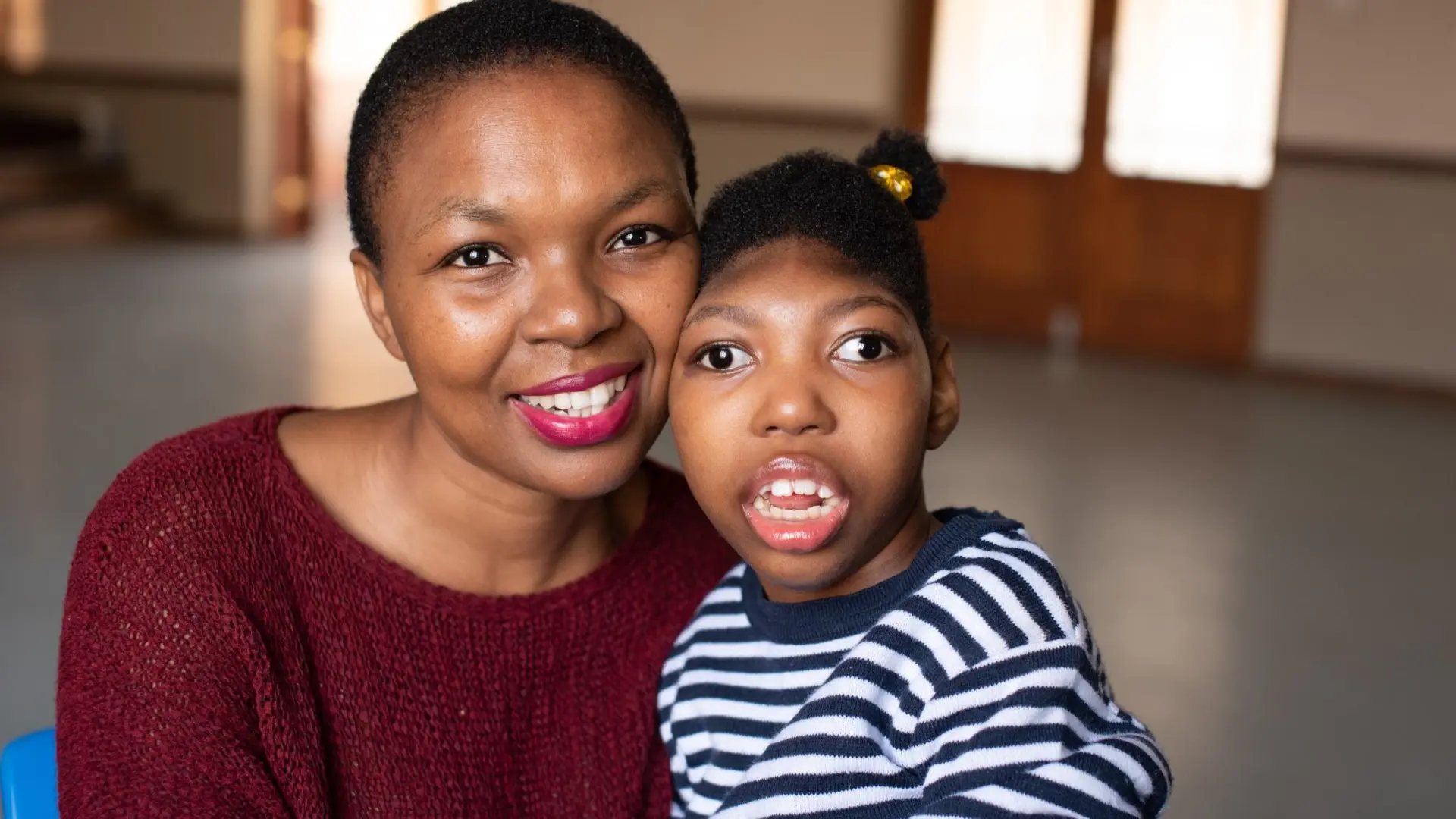
Children with disabilities in Nigeria, South Africa and Kenya remain excluded from school despite laws and policies that promise inclusion. The UN Convention on the Rights of Persons with Disabilities committed states to dignity and inclusion. Turning that commitment into a place in a classroom requires funding, enforcement and data that counts the children who are missing.
Laws without implementation
In 2019, Nigeria enacted the Discrimination Against Persons with Disabilities (Prohibition) Act, providing a legal framework for accessibility and inclusion with a five-year compliance period. That period ended in 2024, and whether buildings now comply depends on enforcement and monitoring.
South Africa, often cited for its progressive constitution, faces its own gap. Despite the White Paper 6 policy promoting inclusive education, Human Rights Watch has reported that many children with disabilities remain out of school, many stuck on long waiting lists or in underfunded special schools.
Kenya’s Education Sector Plan promised to mainstream inclusive practices. Delivering that promise depends on teacher training in special needs education and on schools having the assistive devices pupils need.
African and international disability-rights instruments establish commitments to inclusion. Assessing implementation requires distinguishing ratification, reporting obligations, domestic enforcement and access to remedies.
Stigma and missing data
Children with disabilities can face barriers to enrolment, attendance and progression. Measuring those gaps requires comparable definitions of disability and education participation, including children absent from school records.
Stigma can discourage families from seeking support, and its forms vary between communities. Cost, transport and inaccessible schools also create practical barriers. Local evidence and the experiences of children and families are needed to understand how those barriers combine.
The cost of exclusion
Disability is not just a health issue. Exclusion from education can reduce later employment opportunities and deepen poverty, imposing costs on individuals, families and economies. Policy should fund accessible buildings, trained staff, appropriate communication formats and assistive technology, while involving people with disabilities in decisions and monitoring.
Children should not have to wait for another policy declaration to receive the support they need to learn. Implementation needs budgets, clear responsibilities and evidence about who remains excluded.



