Opens in a new tab

Topic

Development and poverty

Poverty, inequality, aid, health systems, sanitation

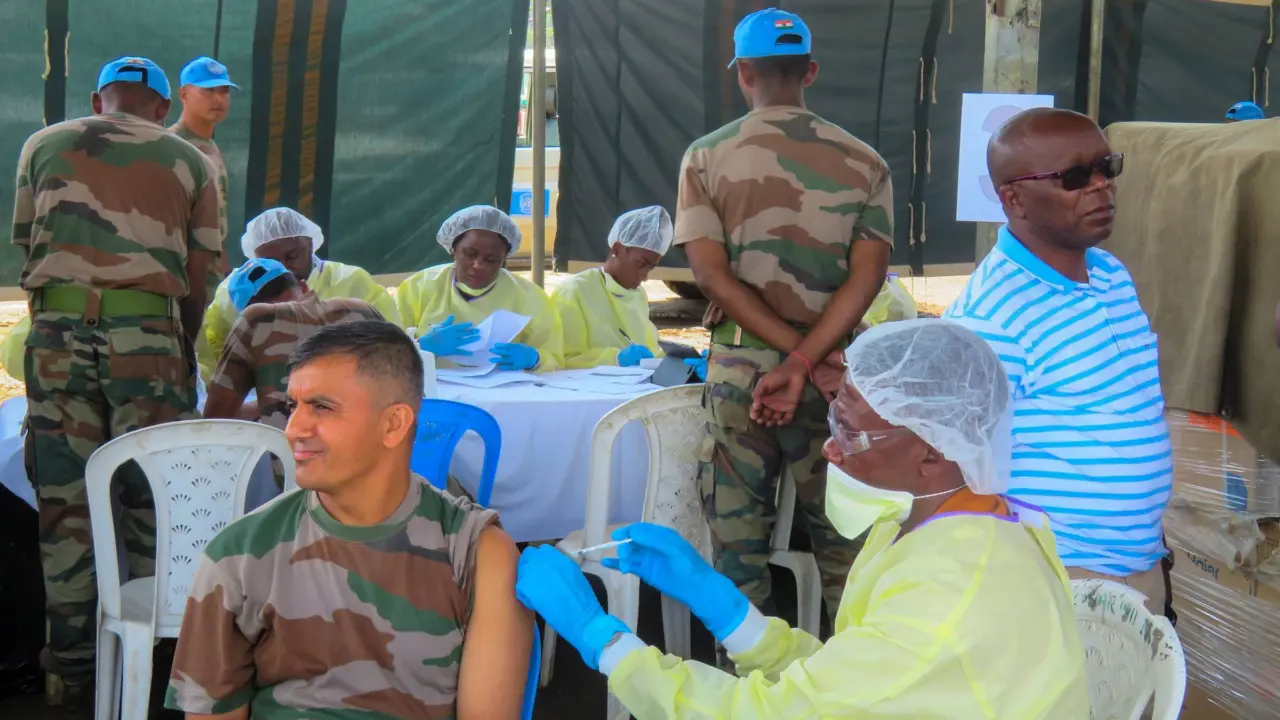
Health worker in protective gear vaccinates a UN peacekeeper against Ebola at Pinga, North Kivu

News · Analysis

Congo’s Ebola vaccine allocation exposes a gap in Bundibugyo protection

The Democratic Republic of Congo received 70,000 Ervebo doses in August 2026 against a Bundibugyo outbreak the vaccine is not licensed for. With 20,000 doses for a Phase 3 trial and 50,000 for frontline workers, the split exposes a gap in preparedness for other ebolaviruses.
By Daniel Whyte · · 2 min read

Latest in Development and poverty

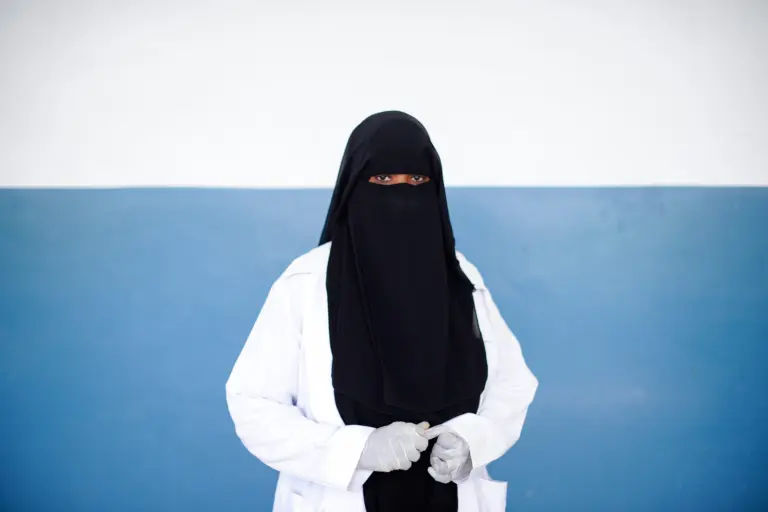
Nurse in a white coat and black niqab standing in a corridor of Banadir hospital in Mogadishu

News · Analysis

Somalia’s clinic closures deepen a malnutrition emergency

UNICEF reported on 21 August 2026 that 205 health and nutrition facilities in Somalia had closed amid humanitarian funding cuts, while admissions of children with complicated severe acute malnutrition rose 32 per cent. As many as 618 facilities could close under severe funding scenarios.

Alao Abiodun ·

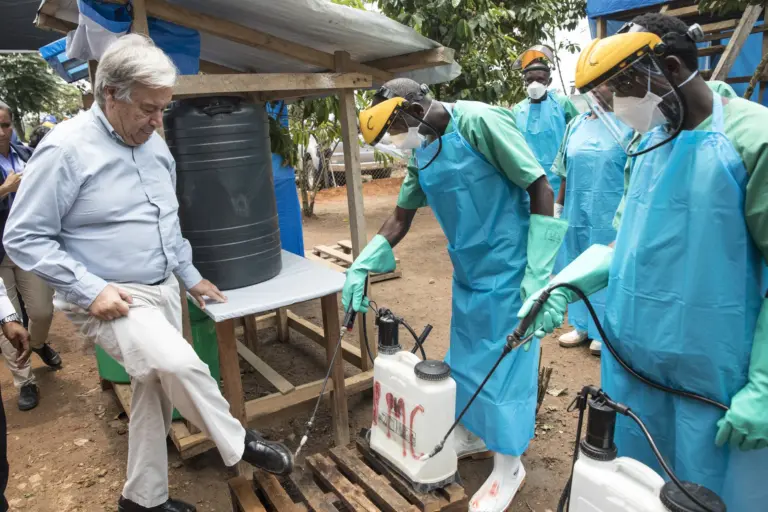
Health workers in face shields, masks, aprons and long green gloves spray disinfectant on a visitor's shoe at an Ebola treatment centre in Mangina, DR Congo.

News · Analysis

Unpaid health workers weaken Congo’s Ebola response

Health workers at the centre of Congo's Ebola outbreak in Ituri have not been paid since mid-May, and while payroll is not the sole cause of the outbreak's speed, reliable wages are part of the capacity that keeps treatment and surveillance running.

Daniel Whyte ·

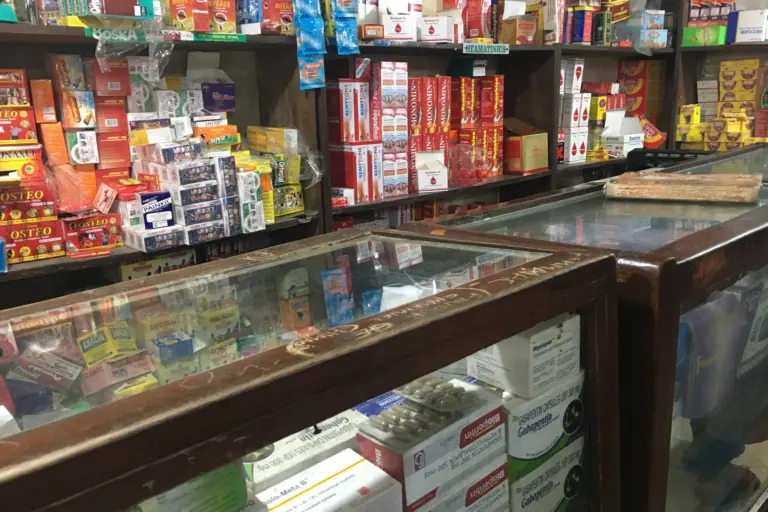
Glass display counters and wooden shelves stacked with boxed medicines inside a local pharmacy in Epe, Lagos State.

Technology

Pharmacy finance gives Remedial Health influence beyond medicine delivery

Remedial Health's inventory finance is turning a Nigerian pharmacy-ordering platform into an underwriter whose credit decisions increasingly shape which outlets and medicines are stocked, a health function that sits between medicines regulators and financial supervisors.

Daniel Whyte ·

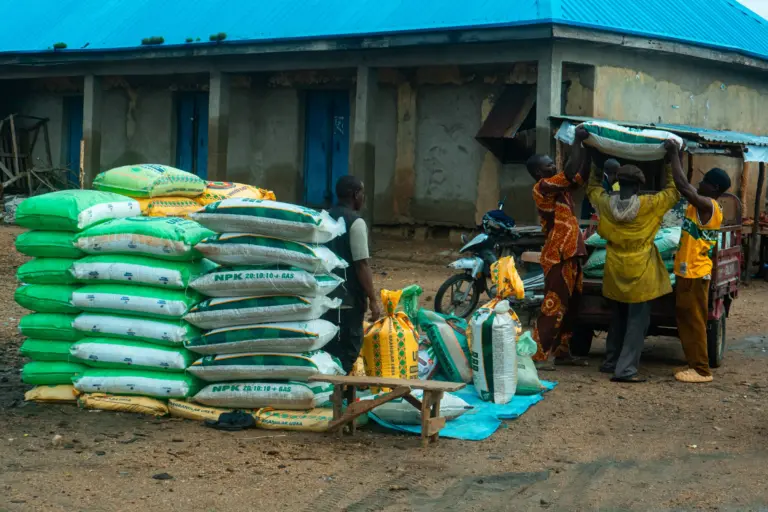
Men offload sacks of chemical fertiliser from a vehicle outside a warehouse in Nigeria

Economics

Hormuz disruption can affect Africa’s fuel, fertiliser and food costs

Disruption at the Strait of Hormuz reaches African farms through higher fuel and gas-based fertiliser costs, a vulnerability rooted in importing inputs the continent could make from its own gas, phosphate and potash, which makes domestic fertiliser capacity a strategic priority.

Ebenezer Makinde ·

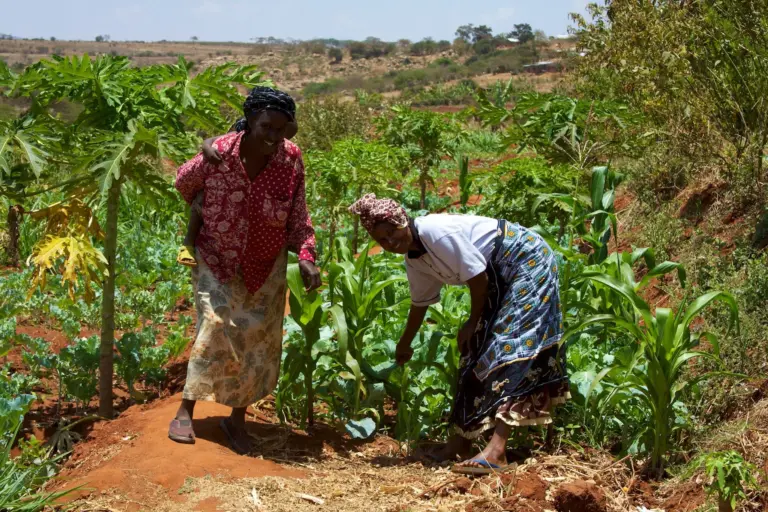
Two women smallholder farmers smile as they tend crops in a field in Kenya.

Economics · Insight

Land titling needs protections against dispossession

Land titling programmes promise African smallholders credit and tenure security, but registration favours those who can navigate a registry office and transferability exposes struggling households to distress sales, so reforms need protections such as co-titling from the outset.

Alao Abiodun ·

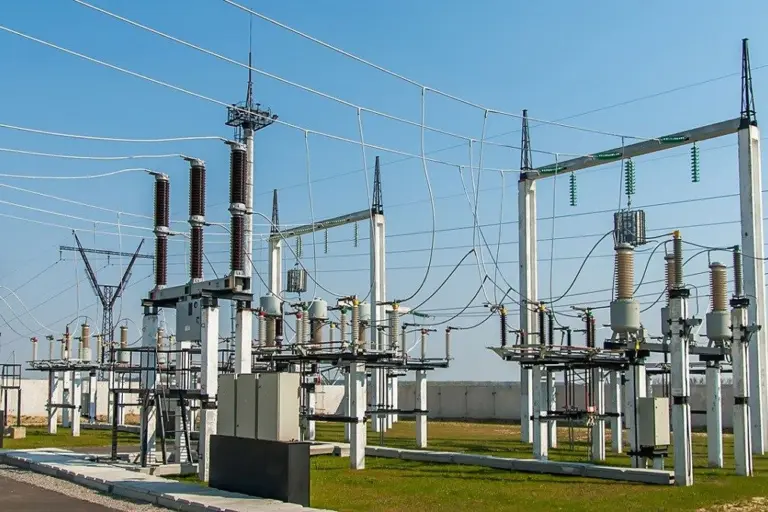
Electrical equipment and transmission lines at a substation.

Economics

Mission 300 tests the institutions behind lasting electricity access

Mission 300, the World Bank and African Development Bank initiative to connect 300 million Africans to electricity by 2030, is a test of state capacity. It relies on utility reform, credible tariffs and private capital for roughly half its financing, capital that avoids the markets with the largest gaps.

Adedoyin Shittu ·

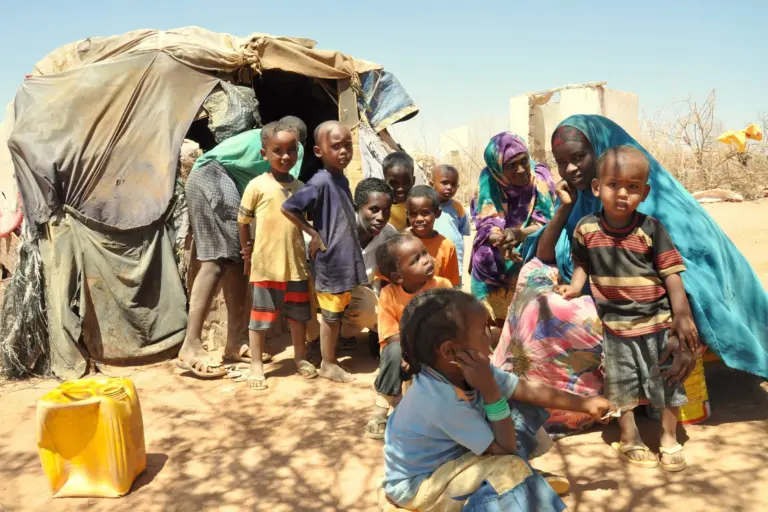
A mother and grandmother sit with children outside a makeshift shelter in a drought-hit camp in Somaliland.

News

WFP’s May 2026 warning highlights Somalia’s food-aid funding gap

The World Food Programme warned on 8 May 2026 that its food assistance in Somalia could halt in July without urgent funding. The warning exposes how a state whose population depends on external aid has little control over the calendar on which its survival is decided.

McDike Dimpka ·

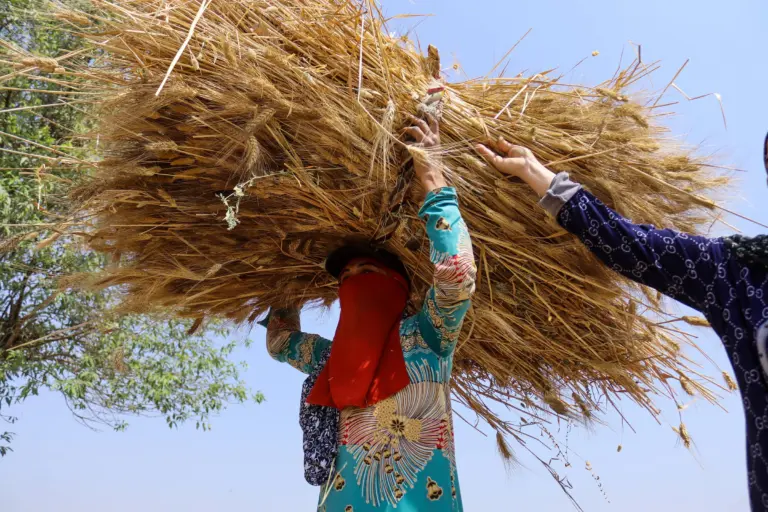
Woman in a patterned dress carries a large bundle of harvested wheat on her head during harvest in Egypt

Economics

The Ukraine war exposed African food import risks that cheaper grain has not removed

Russia's invasion of Ukraine exposed how heavily African economies relied on Black Sea wheat and Russian fertiliser. World prices have since eased, but African food sovereignty depends on a defensible mix of local production, regional trade, imports and emergency reserves, not full self-sufficiency.

Victoria Akindele ·

Earlier in Development and poverty

Extreme heat puts pressure on Africa’s health systems

Extreme heat kills an estimated 546,000 people worldwide each year, and Africa's outdoor workforce, informal housing and hospitals without reliable power leave it acutely exposed. Heat adaptation is the maintenance cost of productivity in a world warmed mainly by others, and a measurable loss-and-damage claim.

Alao Abiodun

Climate change is reshaping Africa’s food security

Climate change is turning the variability African smallholder farming was built to absorb into irregularity it cannot sustain, from Zimbabwe's Mutoko district to the Sahel. Rebuilding food systems for resilience is a problem of capital, seed systems, extension services and infrastructure, not of knowledge.

Adedoyin Shittu

Kenya’s health insurance reform raises questions about data governance

Kenya's Social Health Authority, rolled out on 1 October 2024 to replace the NHIF, links health cover to biometric registration and national identity records. That can improve administration, but weak data protection oversight leaves questions about access, exclusion and misuse for other governments watching the model.

Alao Abiodun

Ending child marriage requires changes in law and household security

Child marriage in Africa persists because poverty turns a daughter's marriage into a source of resources for desperate households. In Nigeria, 58 per cent of girls from the poorest households marry before 18, against four per cent from the wealthiest, and Rwanda shows that schooling and enforced laws reduce it.

Victoria Akindele

Why global poverty is increasingly concentrated in Africa

Extreme poverty has fallen globally since 1990 but is increasingly concentrated in sub-Saharan Africa, where conflict, fragility and job-light extractive industries limit gains. On the World Bank's $3 a day line, about 838 million people worldwide lived in extreme poverty in 2022.

Victoria Akindele

Climate change puts Africa’s biodiversity and livelihoods at risk

Africa holds roughly 25 per cent of the world's biodiversity yet accounts for less than 4 per cent of cumulative carbon emissions. Climate-driven loss is eroding the natural infrastructure behind its farming, fisheries and water, while underfunded conservation lets others capture the value of protecting it.

McDike Dimpka

Reliable power and working conditions matter to retaining Africa’s health workers

Health workers leave African systems over delayed pay, missing equipment and poor conditions, and unreliable electricity, which a 2023 WHO-led report found affected about half of sub-Saharan health facilities, is part of that picture. Retention depends on dependable pay, safe facilities and career paths.

Daniel Whyte

Nigeria’s medical migration exposes failures in workforce planning

Nigeria's doctor brain drain quadrupled the flow to Britain's medical register between 2017 and 2022. Public money trains doctors who then fill gaps abroad, but unpaid salaries and underbuilt hospitals mean the Nigerian state shares responsibility for the shortage.

Daniel Whyte

Nigeria’s legislative pay debate requires a clearer public account

Nigeria's debate over lawmakers' pay needs comparable figures that separate salaries, allowances and office budgets. With over 40 per cent of Nigerians below the poverty line, a political class insulated by perks and by spending that favours recurrent costs over public goods erodes trust in democracy.

Aderonke Ajibade