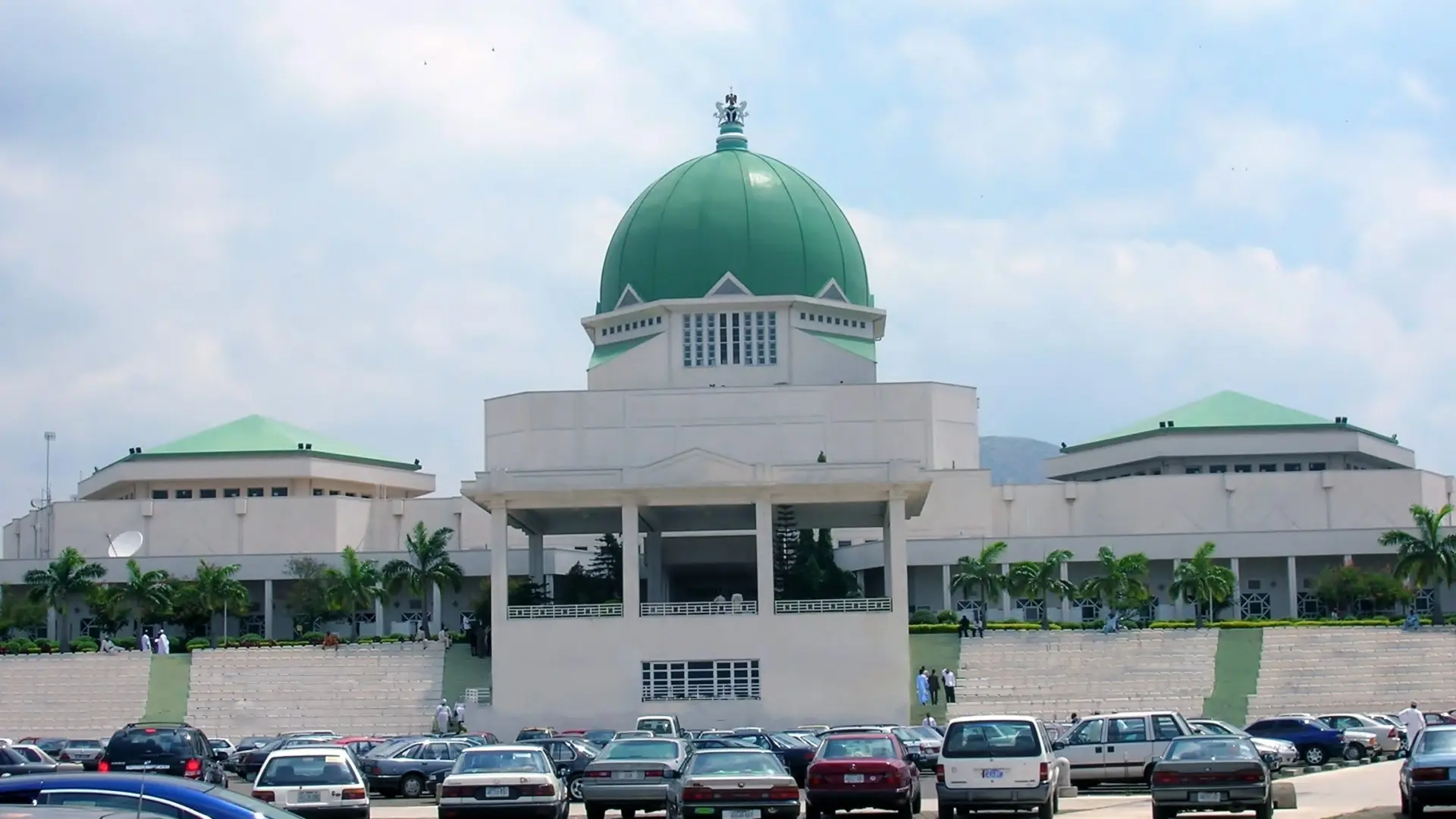
The gap between Nigerian lawmakers’ compensation and ordinary Nigerians’ living conditions raises questions about spending priorities and accountability. This analysis argues that the debate needs a clear public account of salaries, allowances and office budgets, and that a political class insulated by privilege erodes trust in democracy.
Oil-price volatility and weak public services intensify scrutiny of political spending. Legislative compensation should be assessed against public needs using comparable figures, rather than a mixture of annual salaries and monthly wages. Comparisons must also distinguish legislators’ personal pay from funds allocated to staff, travel and constituency projects. Office budgets are not automatically personal income, even when their use raises accountability concerns.
Pay and public accountability
Beyond monetary compensation, lawmakers enjoy state-sponsored healthcare, personal security, official residences and travel allowances. These perks insulate the political class from conditions that ordinary Nigerians face daily: potholed roads, power outages and queues at under-equipped hospitals.
International comparisons require the same year, exchange-rate basis and definition of compensation, and they need to account for economic strength and living standards. In Nigeria, where over 40 per cent of the population lives below the poverty line, generous compensation for lawmakers draws scrutiny and suspicion.
Spending priorities
Nigeria’s budget favours recurrent spending over capital investment. Recurrent expenditure includes much more than political officeholders’ pay, but its dominance leaves public goods underfunded. Hospitals are ill-equipped and staff overworked. Classrooms are overcrowded and teachers frequently strike. Roads, power supply and clean water remain inadequate across much of the country.
The National Assembly controls important parts of its budget, while remuneration and public-spending oversight also involve other constitutional bodies. Any reform proposal should identify which institution can change each component.
Trust and representation
Public criticism of legislative pay is loud across newspapers, radio and social media. The symbolism matters as much as the cost. Where citizens lack clean water and reliable power, visible privilege turns disparity into disenchantment, and the more distant legislators are from the people they serve, the more brittle the bonds that hold democracy together. Once lost, public trust is not easily regained.
Leadership means ensuring that no parent must choose between medicine and school fees. The National Assembly’s compensation architecture is not merely a fiscal issue. It is a political statement about whose lives the state considers worth protecting. Until that architecture is rebuilt on terms the people can recognise, the two Nigerias will remain separated not by geography but by policy.



