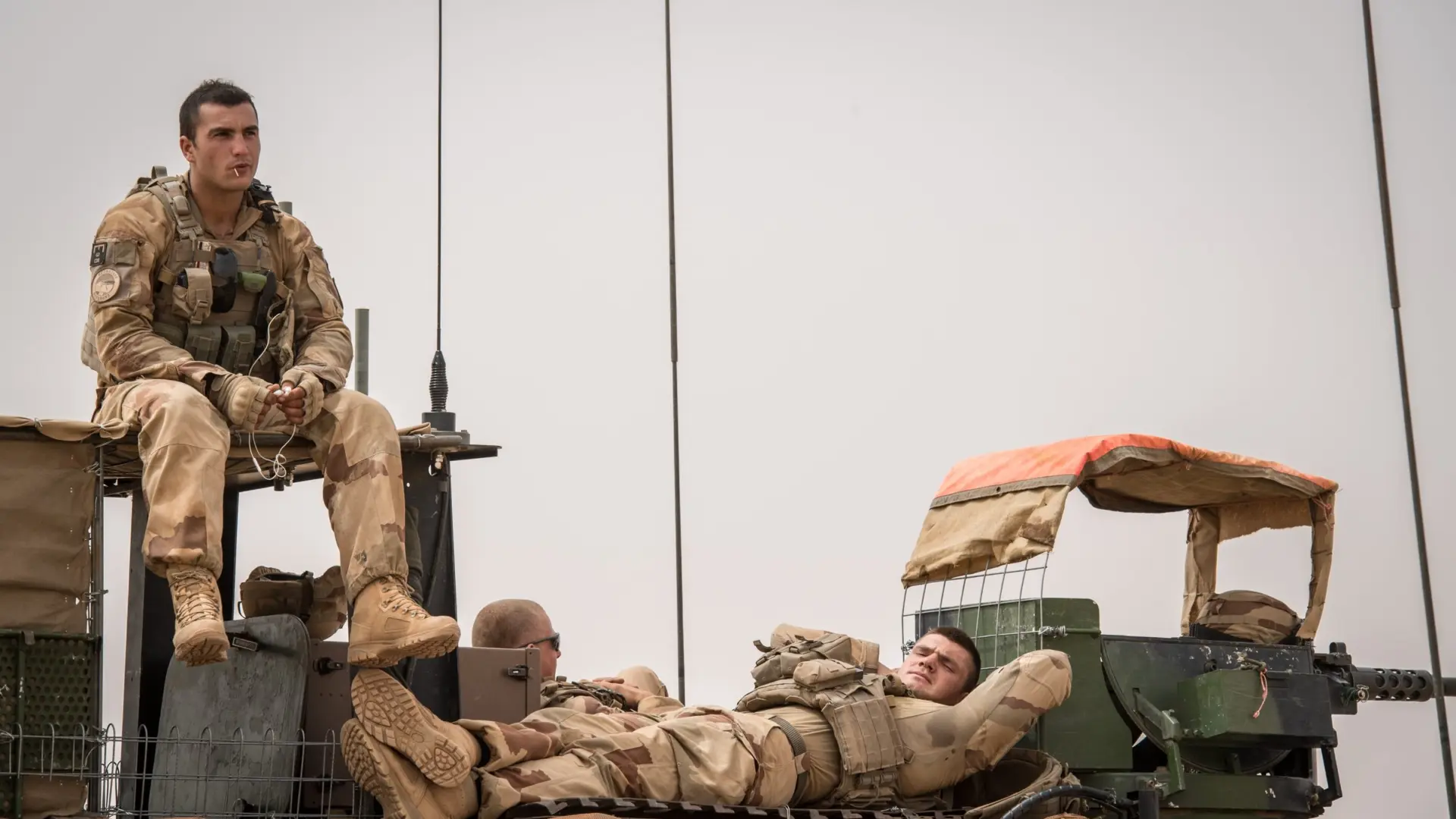
Military governments in Mali, Burkina Faso and Niger have renegotiated security relationships, challenged regional institutions and reopened resource contracts in the name of sovereignty. Their claims will be judged by one measure: whether security, resource terms and institutions improve for the people who live there.
The Western reading of these events focuses on the deficits: democratic regression, human rights deterioration, and Russian security arrangements filling the vacuum left by departing French and European Union training missions. These concerns are not invented. The military governments of the Sahel have not demonstrated that their security priority, stabilising territory against jihadist insurgencies, is being achieved under the new arrangements. Casualty data from independent monitoring organisations suggests the security situation in parts of Mali and Burkina Faso has worsened, not improved, since the coups. The cost falls on the agricultural and pastoral communities caught between state forces, Russian-backed paramilitaries and jihadist groups.
Their claims will be judged by one measure: whether security, resource terms and institutions improve for the people who live there.
Resources and bargaining power
The resource dimension is where the long-term stakes are clearest. Niger is one of the world’s largest uranium exporters. Its uranium has supplied French nuclear reactors for decades through contracts that, critics argue, have not delivered sufficient benefits to Nigerien communities. The military government’s decision to revisit those contracts, asserting that terms set under previous governments are open to renegotiation, is not irrational even if the manner of its assertion is problematic. Burkina Faso’s gold sector has similarly attracted scrutiny over the terms on which international mining companies operate and the share of value that remains in the country. The sovereignty claim in the Sahel includes a claim about who captures the rent from what lies beneath Sahelian land.
The regional dispute
ECOWAS’s response to the coups illustrated the limits of regional governance when member states are divided. The threat of military intervention in Niger in 2023, which was never carried out, exposed the gap between institutional mandate and political will. Nigeria, ECOWAS’s largest economy and the implicit security guarantor of any significant regional action, was internally divided. The Nigerian executive was prepared to support intervention. The Nigerian Senate was not. The commitment to democratic governance is easier to assert when the governments being defended are governing in the interests of their populations.
The Alliance of Sahel States, whatever its current limitations, is an attempt to build a security and political framework with greater independence in regional security decisions. That aspiration is compatible with African sovereignty principles even when the institutions pursuing it are not democratically constituted. The tension between procedural democracy and substantive sovereignty, between the form of governance the international community endorses and governance that actually serves populations, is not unique to the Sahel. The Sahel has made it visible in an unusually direct way.
What will decide it
Whether the redrawing produces sovereign states that govern better, or authoritarian governments that govern badly in a different way, will not be settled at coup anniversaries and regional summits. It will be settled in the conditions of the populations inside these borders: in whether security improves, whether the resource terms produce development rather than military procurement, and whether the confederation builds institutional capacity rather than concentrating it. Those answers are not yet available. What is already visible is that the terms of sovereignty in this part of Africa are no longer set by the consensus of the institutions that claim to govern it.



