Opens in a new tab

Topic

Security and conflict

Insurgencies, coups, wars, maritime security, Wagner

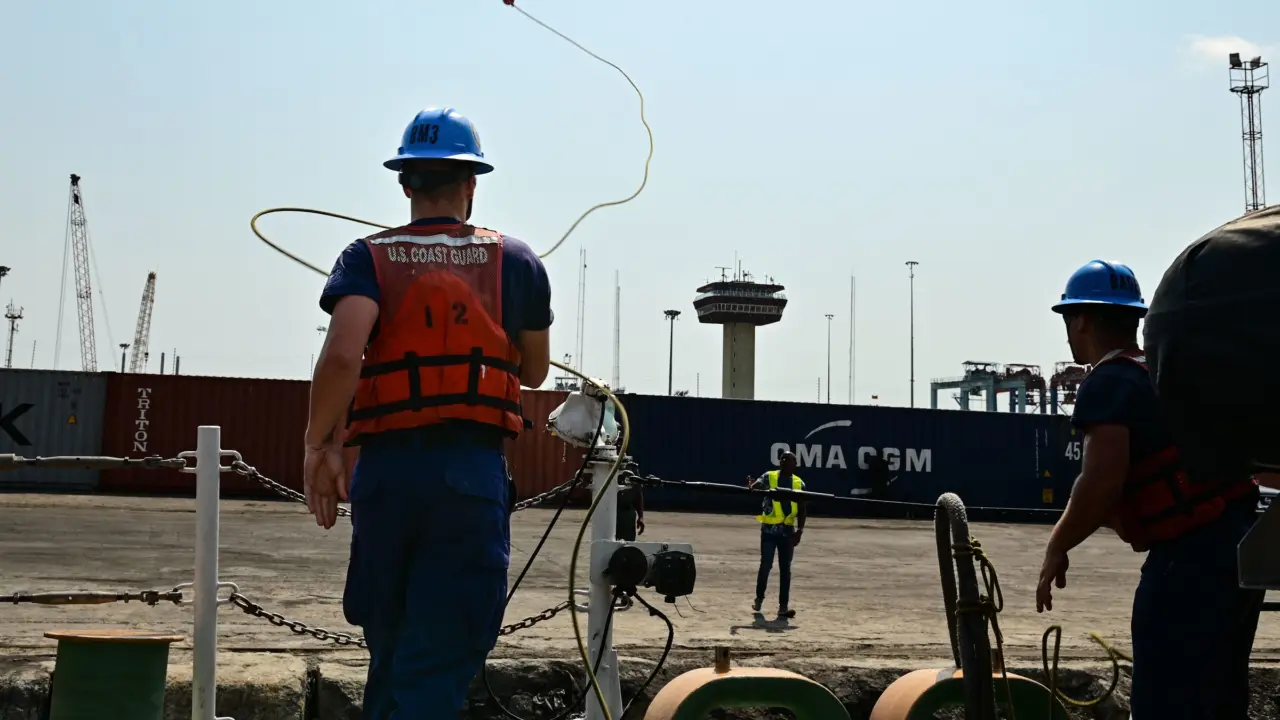
US Coast Guard crew in hard hats throw a mooring line as their cutter arrives at a Lagos port.

News · Analysis

US Coast Guard lifts Nigeria’s port conditions of entry after twelve years

The US Coast Guard lifted its Nigeria conditions of entry on 19 August 2026, ending a penalty imposed in 2014 over deficient port governance rather than piracy. Four inspections preceded the decision, while the freight and insurance savings Nigerian officials expect remain forecasts.
By McDike Dimpka · · 4 min read

Latest in Security and conflict

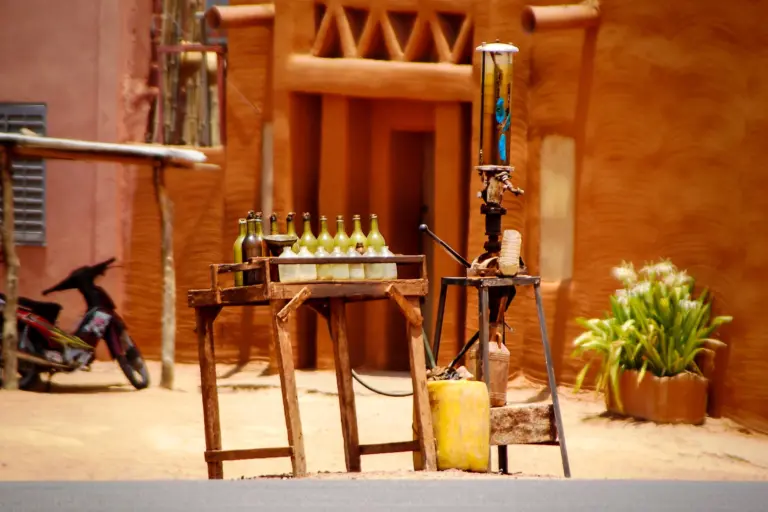
A roadside fuel stall near Ségou in Mali, with bottles of petrol on a wooden table and a hand pump beside a mud-rendered wall.

News · Insight

Mali’s fuel blockade shows the power of supply corridors

From 3 September 2025, JNIM attacks on fuel convoys forced rationing in Bamako without a siege. With roughly 95 per cent of Mali's fuel arriving on two highways from Côte d'Ivoire and Senegal, corridor interdiction has become a cheap form of coercion whose costs cross borders.

Michael Chisamba ·

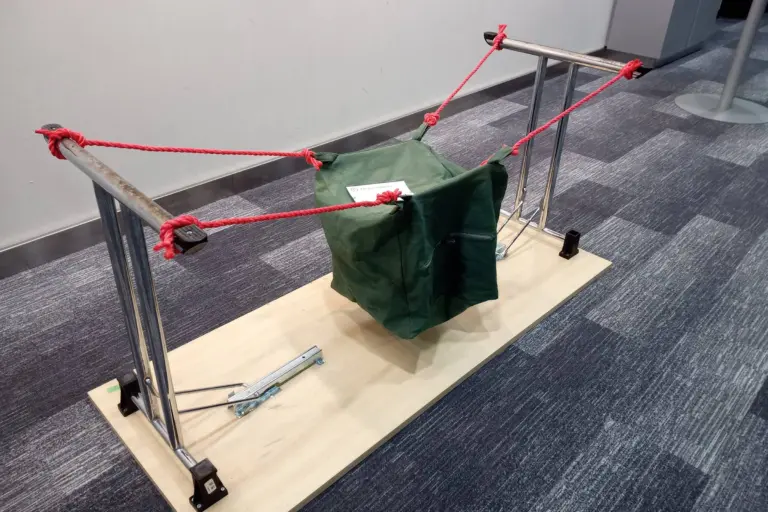
Ballot box of the type used in Ethiopian elections, a cloth bag suspended from ropes on a frame

News · Analysis

Electoral administration adds pressure to Ethiopia’s contested peace

The Pretoria agreement stopped the Tigray war by deferring who governs contested territory, and electoral administration in districts such as Alamata in Raya is now shaping that answer while renewed fighting in western Tigray raises the risk of escalation.

Adedoyin Shittu ·

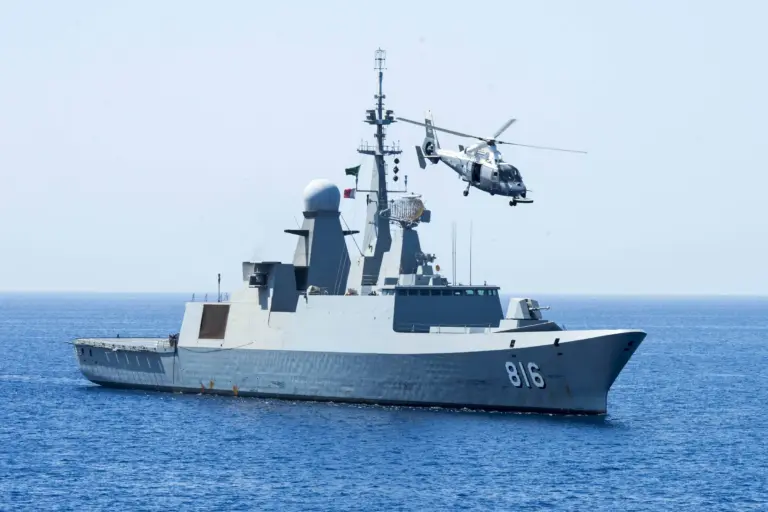
The Royal Saudi Navy frigate Al Dammam, hull number 816, at sea with a naval helicopter flying alongside.

News · Analysis

A Saudi-led Red Sea coalition puts African command rights to the test

The Saudi-led maritime coalition announced in Riyadh on 30 July 2026 relies on African coastal states for ports and territory, but their membership becomes leverage only if founding rules on tasking, port access and refusal give them real authority.

Ebenezer Makinde ·

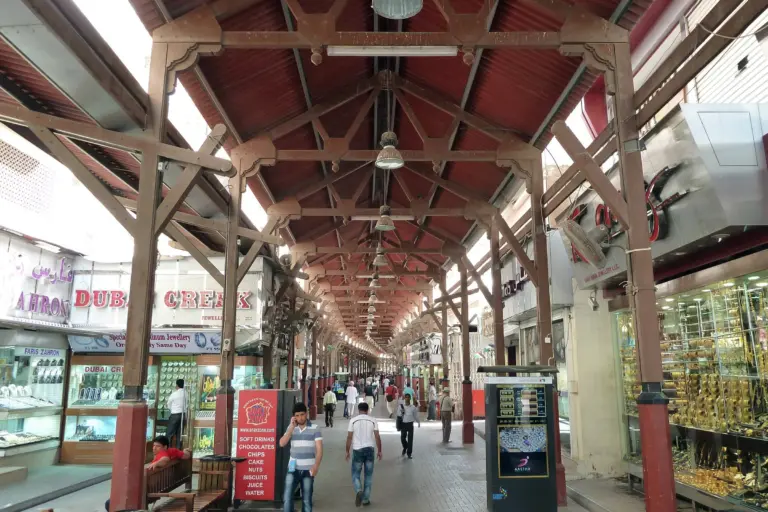
Shoppers walk through the covered Gold Souk in Dubai.

News · Analysis

Europe’s Sudanese gold ban depends on tracing trade beyond Sudan

The EU's 13 July 2026 ban on Sudanese-origin gold targets a major source of revenue for both of Sudan's belligerents, but because gold can be refined and mixed before reaching buyers, its effect depends on tracing origin through intermediaries and markets beyond Sudan.

Michael Chisamba ·

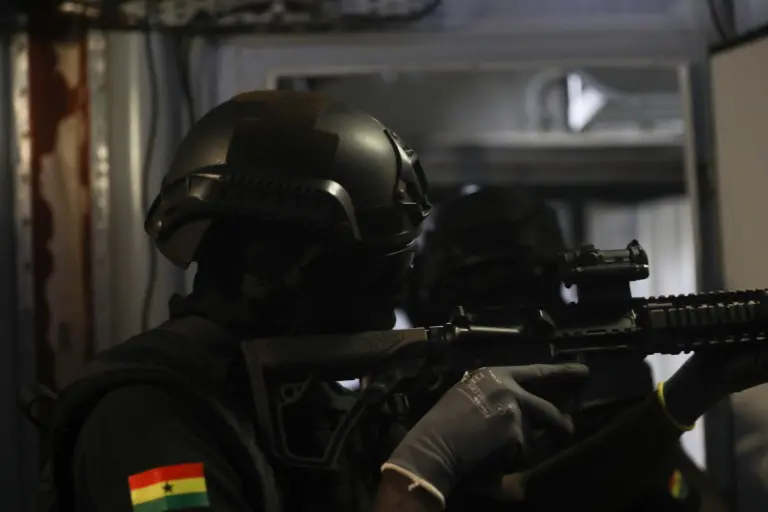
Ghanaian navy personnel aim rifles along a ship's passageway during a boarding exercise.

News · Insight

Private maritime security raises questions in the Gulf of Guinea

Shipowners in the Gulf of Guinea increasingly hire private armed escorts rather than rely on regional navies, and while hijackings have declined, states are licensing armed force they do not command and living with a capacity gap rather than closing it.

Ebenezer Makinde ·

The International Criminal Court headquarters in The Hague, photographed in 2019.

World

Sahel ICC withdrawals raise questions about future accountability

The withdrawal of Burkina Faso, Mali and Niger from the International Criminal Court rests on a legitimate grievance about selective justice, but it removes the one jurisdiction their governments do not command while their forces stand accused of mass killings.

Jamel Lahiani ·

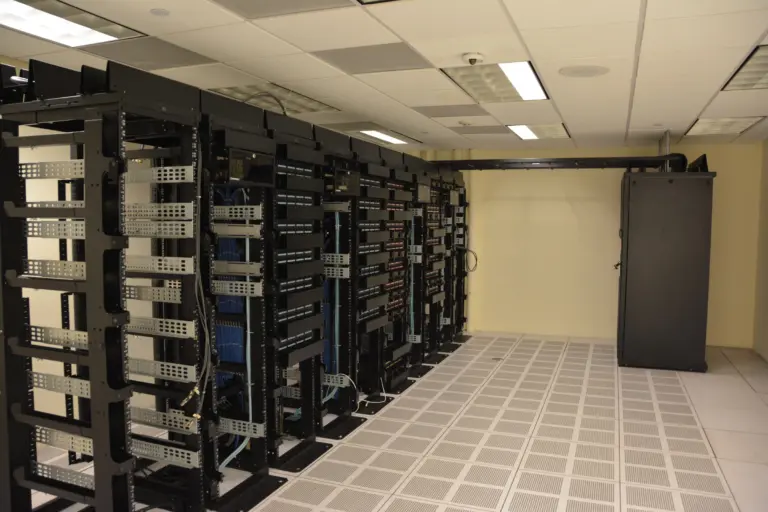
Rows of open black server racks with blue cabling stand in an empty data-centre room with a raised floor.

Technology

Africa’s cyber coordination needs technical capacity and accountable suppliers

Africa is assembling a continental cyber stack of response teams, Smart Africa coordination, the Malabo Convention and Interpol-backed operations, but the threat intelligence, security tools and cloud platforms behind it remain largely foreign. Cyber sovereignty depends on building African capability, not only coordinating institutions.

Kiraithe Daniel Mutemi ·

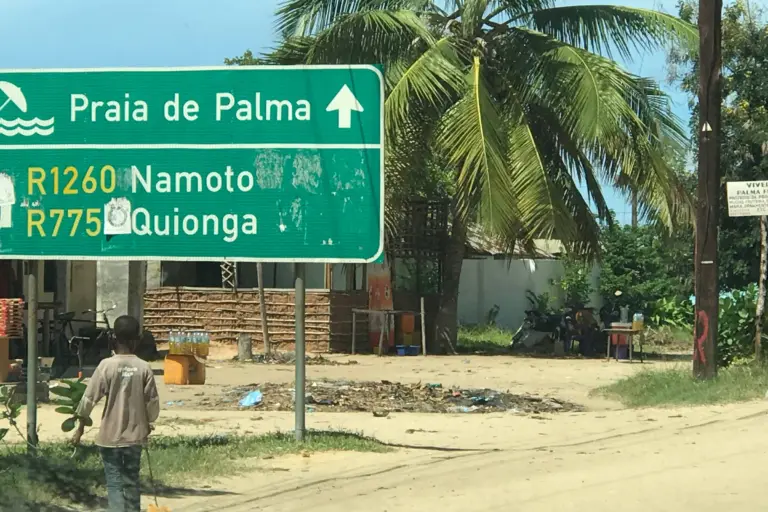
A road sign in Palma, Cabo Delgado, pointing to Praia de Palma, Namoto and Quionga.

News · Insight

Cabo Delgado’s gas restart and civilian security are different tests

As gas projects in Cabo Delgado move towards restarting, a perimeter secure enough for investors is being mistaken for recovery. The insurgency that began in 2017 has been contained rather than ended, and civilians outside the protected zones still live with attacks and repeated displacement.

Jamel Lahiani ·

Earlier in Security and conflict

Somalia’s political disputes test its institutions

Somalia's clashes in Mogadishu are symptoms of a provisional constitution and contested electoral rules that leave disputes to clan elders and armed factions. That layered crisis gives al-Shabaab room as the African Union security mission draws down, normalising force as the route to legitimacy.

Alao Abiodun

Africa supplies peacekeepers but lacks a permanent Security Council seat

African states supply a large share of UN peacekeepers yet hold no permanent Security Council seat or veto, despite the 2005 Ezulwini Consensus. Reform stalls because a veto would give Africa real leverage, and African governments have never treated troop contributions as a bargaining instrument.

Ebenezer Makinde

Russia’s Africa Corps retains parts of Wagner’s security bargain

Russia's Africa Corps has inherited parts of Wagner's bargain: regimes in the Central African Republic, Mali and Burkina Faso buy survival with mining concessions, often in gold. The deal protects governments rather than citizens, and it persists because some leaders fear their own populations more than foreign patrons.

Victoria Akindele

Red Sea attacks expose African trade to maritime insecurity

Attacks on shipping near the Bab el-Mandeb strait by Iran-aligned forces show how much African trade depends on a chokepoint the continent neither controls nor helps defend. External navies provide protection, and the remedy lies in intra-African trade, diversified routing and a stake in maritime security.

Ebenezer Makinde

Sudan airport strikes threaten transport and civilian infrastructure

Renewed strikes on Khartoum's airport show Sudan's war has become a contest over the systems that let a state function, not only territory. Targeting runways, fuel depots and aid corridors hollows out governance, deepens the humanitarian crisis and draws in regional rivalries along the Red Sea.

Alao Abiodun

Mali’s contested security routes test state control

Militant checkpoints across Mali and the withdrawal of Russian-linked forces from Kidal show that external security partnerships struggle to convert presence into lasting territorial control. Swapping French for Russian partners has not closed the gap, because sovereignty is measured by who governs the roads once foreign forces leave.

Victoria Akindele

US sanctions Joseph Kabila over alleged support for Congo rebels

The US Treasury's sanctions on former president Joseph Kabila on 30 April 2026, over alleged support for M23 and the Congo River Alliance, target one node in eastern Congo's conflict economy. The wider system of fragmented territorial control and mineral supply chains that tolerate instability remains standing.

McDike Dimpka

Nigeria’s alleged coup prosecution requires evidence and due process

Nigeria's prosecution of an alleged coup plot against the Tinubu administration is a test of due process as much as of the accused. A visibly fair trial with timely disclosure, access to counsel and judicial independence would defend constitutional order better than a conviction achieved through procedural compression.

McDike Dimpka

Africa’s maritime influence depends on coordination and international law

The Red Sea corridor runs through African geography, yet its security and rules are set by external naval powers, from Combined Task Force 151 to bases in Djibouti. Turning geography into leverage needs a regional maritime authority, a continental position on the law of the sea and investment in Horn security capacity.

McDike Dimpka