From Mali to Burkina Faso and Niger, military rulers have presented their seizures of power as national corrections. Their critique of the civilian governments they displaced was largely accurate. But transitions whose timetables the military authorities themselves keep extending are not democratic renewal. Without enforceable limits on military power, they are transition theatre.
The new generation of military rulers says the civilian governments were corrupt, captured by external powers and incapable of delivering the security their citizens needed. The critique landed because much of it was true. Mali’s Ibrahim Boubacar Keïta faced a deepening security and political crisis before the 2020 coup, and Amadou Toumani Touré had been removed in an earlier coup in 2012. Burkina Faso’s elected governments changed presidents while insecurity spread across the north. The complaints were real. Whether men in uniform seizing the state is the answer is a different question.
A recurring sequence
The coups from 2020 to 2024 follow a sequence consistent enough to resemble a doctrine. Seize power on a security rationale. Suspend the constitution on a sovereignty rationale. Set a transition timeline long enough to consolidate control and short enough to forestall isolation. Renegotiate security partnerships, expelling French forces and inviting Russian instructors, in some cases Wagner Group-linked entities, in the name of self-determination. And promise elections on a date that can be revised as circumstances require.
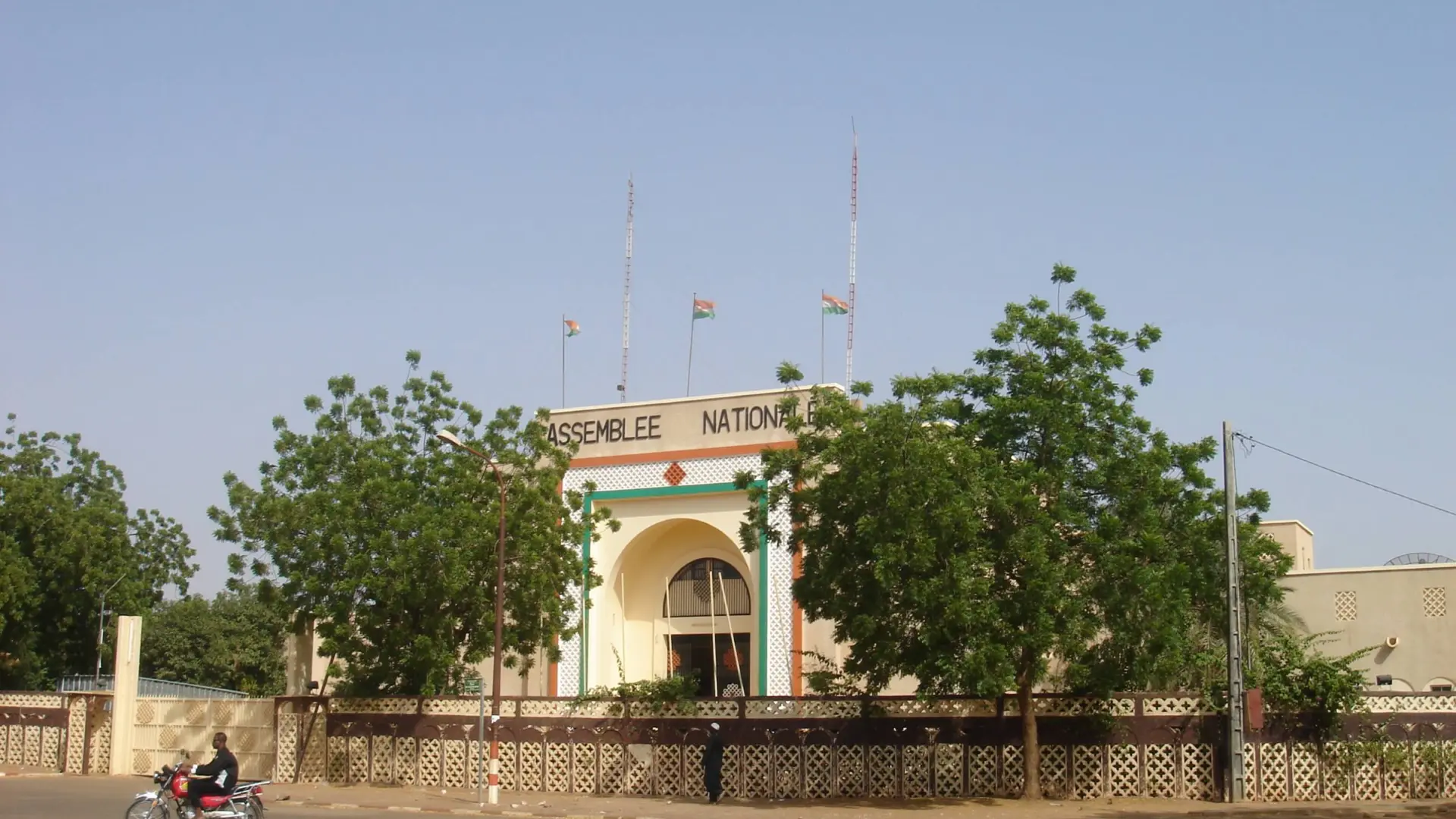
Mali’s transition timeline has been extended several times. Burkina Faso’s has also been extended, raising questions about whether civilian rule will follow on binding terms. Guinea’s Mamadi Doumbouya held a national dialogue that produced a two-year transition period. Niger’s National Council for the Safeguard of the Homeland suspended the constitution and detained the elected president. The common thread is transition timelines that work as rhetorical instruments rather than binding commitments, open to revision by the people who benefit most from extending them.
The limits of ECOWAS
The ECOWAS response exposed the limits of regional institutions built on the sovereign immunity of member governments. The bloc that had intervened in Liberia, Sierra Leone and Côte d’Ivoire found itself awkwardly placed when the governments to be defended were themselves the problem. Sanctions were imposed, then softened once it became clear that the military governments were resilient and that the populations of the affected countries were not visibly demanding the return of the displaced governments. That does not validate the coups. It does explain the political space that sustained them.
Russia and the question of dependency
The Russian dimension deserves analysis beyond the cold war framework Western commentary has tended to impose on it. Military governments partnering with Russian security providers are making a calculation. Russian engagement comes without the governance conditions that Western partnerships attach; Russia seeks basing rights, mineral access and geopolitical presence. Neither France nor Russia has offered the Sahel what it most needs: a generation of sustained investment in state capacity, justice institutions and rural development that addresses the conditions that made jihadist recruitment viable. The choice between French and Russian partners is a choice between different forms of externally structured dependency, dressed in the language of sovereignty.
Transition theatre
The test of the democratic renewal these governments promise is whether electoral bodies can operate independently, whether constitutional processes allow meaningful public participation and whether accountability extends to abuses by state forces. Formal transition institutions do not settle those questions. Where they exist on paper, they exist under the effective control of the military leadership. That is not transition architecture. It is transition theatre.
The Sahel’s military governments have correctly identified that the governments they displaced, with democratic forms but little accountability, were not working. What they have not demonstrated is any capacity to produce something better. The uniform staying on is not evidence of strength. It is evidence of an absence of alternatives, and that absence is the verdict on a decade of governance failure that the coup-makers are right to indict and wrong to claim they can solve.
The choice is not only between corrupt civilian government and authoritarian military rule. Ghana’s electoral institutions and Botswana’s experience of political transition offer examples of how accountability can be strengthened when political will and international conditions align. The Sahel’s tragedy is that neither has aligned for long enough to build what the region needs. The military governments have seized the moment of that failure. Whether anyone has a credible plan for the morning after remains unanswered.



