Opens in a new tab

Topic

AfCFTA and trade

AfCFTA, AGOA, regional integration, trade policy

Smoking chimneys and buildings of the steel mill at Vanderbijlpark, South Africa, beyond open grassland

Economics

Europe’s carbon border levy leaves a gap in clean-power incentives

The EU's carbon border adjustment mechanism is defensible in principle but unequal in its incidence. It reaches African exporters through contracts, not tax law, and ignores purchased power for steel and aluminium, so the fight that matters is over its annexes.
By McDike Dimpka · · 8 min read

Latest in AfCFTA and trade

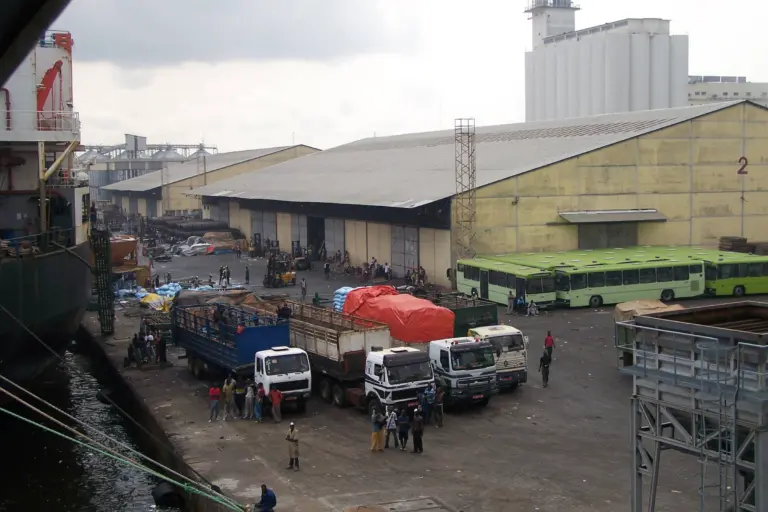
Lorries loaded with cargo parked beside warehouses and silos at the port of Abidjan

Technology

Logidoo’s freight platform highlights the practical work of trade integration

AfCFTA implementation depends on freight interoperability as much as tariff schedules, and in West Africa venture-funded platforms such as Logidoo are building carrier visibility, customs data exchange and return-load matching, so states must set corridor standards before private specifications harden.

Kiraithe Daniel Mutemi ·

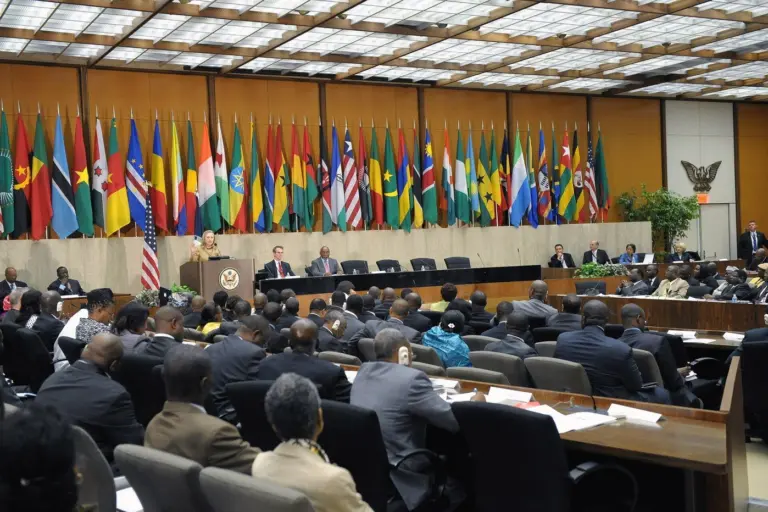
Delegates seated in a conference hall lined with African flags during a session of the AGOA forum

Economics

AGOA’s short extension leaves African exporters facing uncertainty

Washington is replacing AGOA's open-ended trade preference with tariffs and minerals-for-access deals that reward American supply chains, and African states negotiating one by one face the US from weakness unless they bargain as a bloc and insist on processing at home.

Kiraithe Daniel Mutemi ·

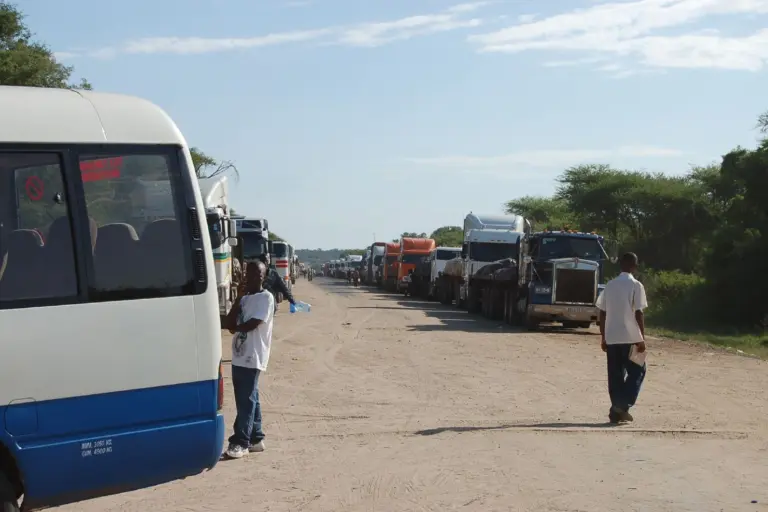
A long line of freight trucks waits on a dirt road at the Kazungula border crossing in Zambia.

Economics

AfCFTA’s rules of origin pose an implementation test

AfCFTA preferential trade has grown far more slowly than its ambition because rules of origin are granular enough that many smaller exporters cannot prove their goods qualify. The burden risks concentrating benefits among economies such as South Africa and Egypt that already had manufacturing and trade capacity.

Victoria Akindele ·

Ghanaian weaver at a traditional kente loom surrounded by colourful kente cloth panels

Culture

African fashion’s growth depends on more than design visibility

African fashion has won international visibility, but much of the value chain beneath the runway, from spinning and weaving to finance, logistics and scaled manufacturing, sits outside the continent. Treating fashion as industrial policy, using the continental trade area, is how cultural influence becomes captured value.

Victoria Akindele ·

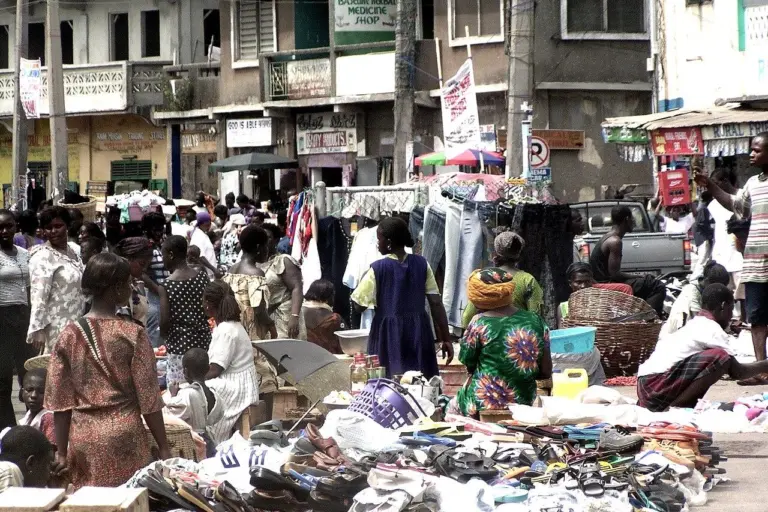
Clothing and footwear are displayed amid shoppers at a market in Cape Coast, Ghana.

Economics

Secondhand clothing policy must account for consumers and local industry

Used clothing imports, mitumba in East Africa and okrika in West Africa, dress millions affordably and sustain informal livelihoods while crowding out domestic textile production. The East African Community's phaseout attempt shows bans fail before local capacity exists, so industrial building must come before import restrictions.

McDike Dimpka ·

Fermented cocoa beans dry on a wire mesh rack in Soubré, western Côte d'Ivoire.

Economics

Ghana and Côte d’Ivoire seek more influence over cocoa returns

Ghana and Côte d'Ivoire grow roughly two-thirds of the world's cocoa but capture a small slice of chocolate's value. Their coordinated premium may prove to be leverage borrowed from a climate-driven supply squeeze unless it funds domestic grinding, processing and crop resilience.

Adedoyin Shittu ·

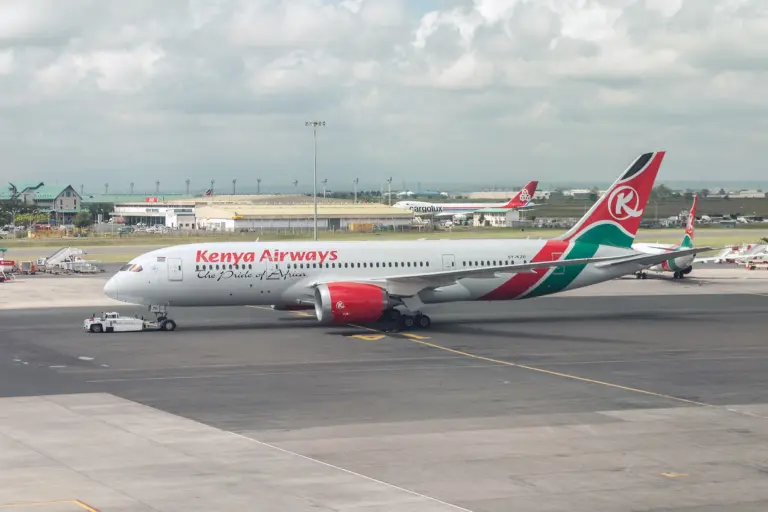
A Kenya Airways Boeing 787 Dreamliner is pushed back on the apron at Jomo Kenyatta International Airport in Nairobi, with a Cargolux freighter behind.

Economics

Africa’s fragmented aviation market limits regional connections

The Single African Air Transport Market has stalled because governments protect weak national carriers, forcing travellers between African cities through foreign hubs. Ethiopian Airlines shows African airlines can compete at scale, and air connectivity is load-bearing infrastructure for continental free trade.

Alao Abiodun ·

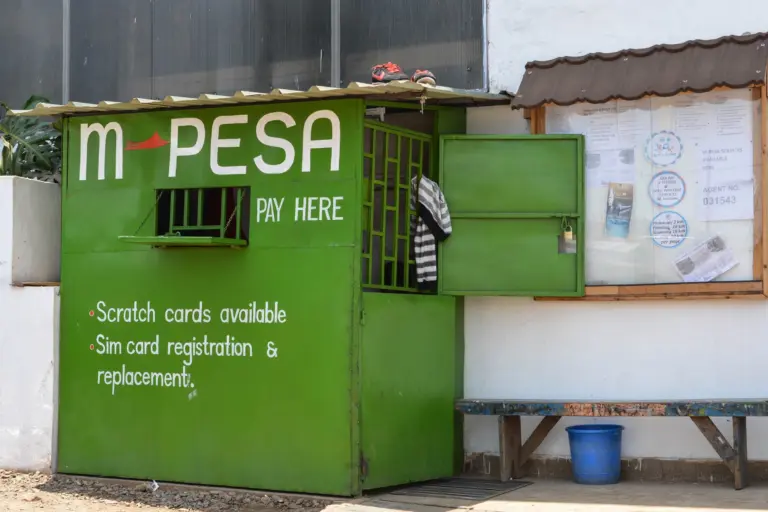
A green M-PESA kiosk painted "Pay here" beside a notice board in Nairobi, Kenya.

Technology

Cross-border payments remain an unfinished part of Africa’s mobile money story

Africa's mobile money networks were built as domestic systems, so payments between African currencies still route through correspondent banks and card networks abroad. PAPSS, the African Export-Import Bank's local-currency settlement system, is the first infrastructure with the mandate to close that gap.

Michael Chisamba ·

Earlier in AfCFTA and trade

Africa’s monetary choices amid efforts to reduce dollar dependence

BRICS efforts to reduce reliance on the dollar give Africa an opening, but the risk is that de-dollarisation succeeds on terms Africa did not negotiate, swapping dollar dependence for yuan dependence. Expanding PAPSS, diversifying reserves and borrowing in local currency would build monetary sovereignty instead.

Adedoyin Shittu

China’s wider tariff access leaves African exporters with a capability test

China's zero-tariff access for African exports has widened since FOCAC 2024, extending to 53 African countries from 1 May 2026, but width is not depth. Without the standards compliance, cold chains and processing capacity to compete, African exports will remain concentrated in oil, copper, cobalt and raw materials.

Michael Chisamba

Africa’s growth prospects depend on the terms of trade and investment

Africa's headline growth conceals sharp differences between economies and a gap between growth and jobs for a population over 60 per cent under 25. The AfCFTA, the Pan-African Payments and Settlement System and the AU's G20 seat outline an economic sovereignty architecture that is underway but incomplete.

Michael Chisamba

South Africa’s diplomatic autonomy carries economic risks

South Africa's ICJ case against Israel, its Ukraine abstentions and deeper BRICS ties have drawn pressure from Washington, including the threat of losing AGOA trade preferences. Its experience shows the economic price middle powers pay for strategic autonomy when no alternative architecture yet absorbs the cost.

Jamel Lahiani

China’s export surplus tests African industrial policy

Cheap Chinese solar kits, steel and vehicles lower costs for African households and firms while pressuring local manufacturers. The effects differ by sector, so industrial support needs a sector-specific case with a cost, duration and productivity test, alongside fixing power, ports and procurement.

McDike Dimpka

AGOA’s uncertainty highlights the need to diversify African export markets

AGOA's expiry on 30 September 2025 left African exporters facing uncertain renewal. Ethiopia's loss of eligibility in 2022 shows how preferences can be withdrawn on grounds firms do not control, strengthening the case for diversified markets, regional trade and contingency planning.

Adedoyin Shittu

Digital customs reform depends on institutions as well as software

Digital customs systems such as Kenya's Integrated Customs Management System are changing how goods clear African ports, but software alone cannot remove discretion. Under the AfCFTA, interoperable systems and pay structures that reward compliance will decide which corridors win trade.

Victoria Akindele

Nigeria’s B’Odogwu customs system faces an implementation test at PTML

Nigeria's homegrown B'Odogwu customs platform brings declarations, duty, payment and risk targeting into one interface at the PTML terminal in Lagos. Its success depends less on the software than on whether pay, incentives and oversight make compliance more rational than discretion for customs officers.

Michael Chisamba

AfCFTA needs trade finance and transport alongside tariff reform

Tariff cuts under the AfCFTA will do little alone while intra-African trade sits near 15 per cent of the total, because the tariff, the corridor and the trade-finance gap are one inheritance that must be tackled together on infrastructure Africa owns.

Kiraithe Daniel Mutemi