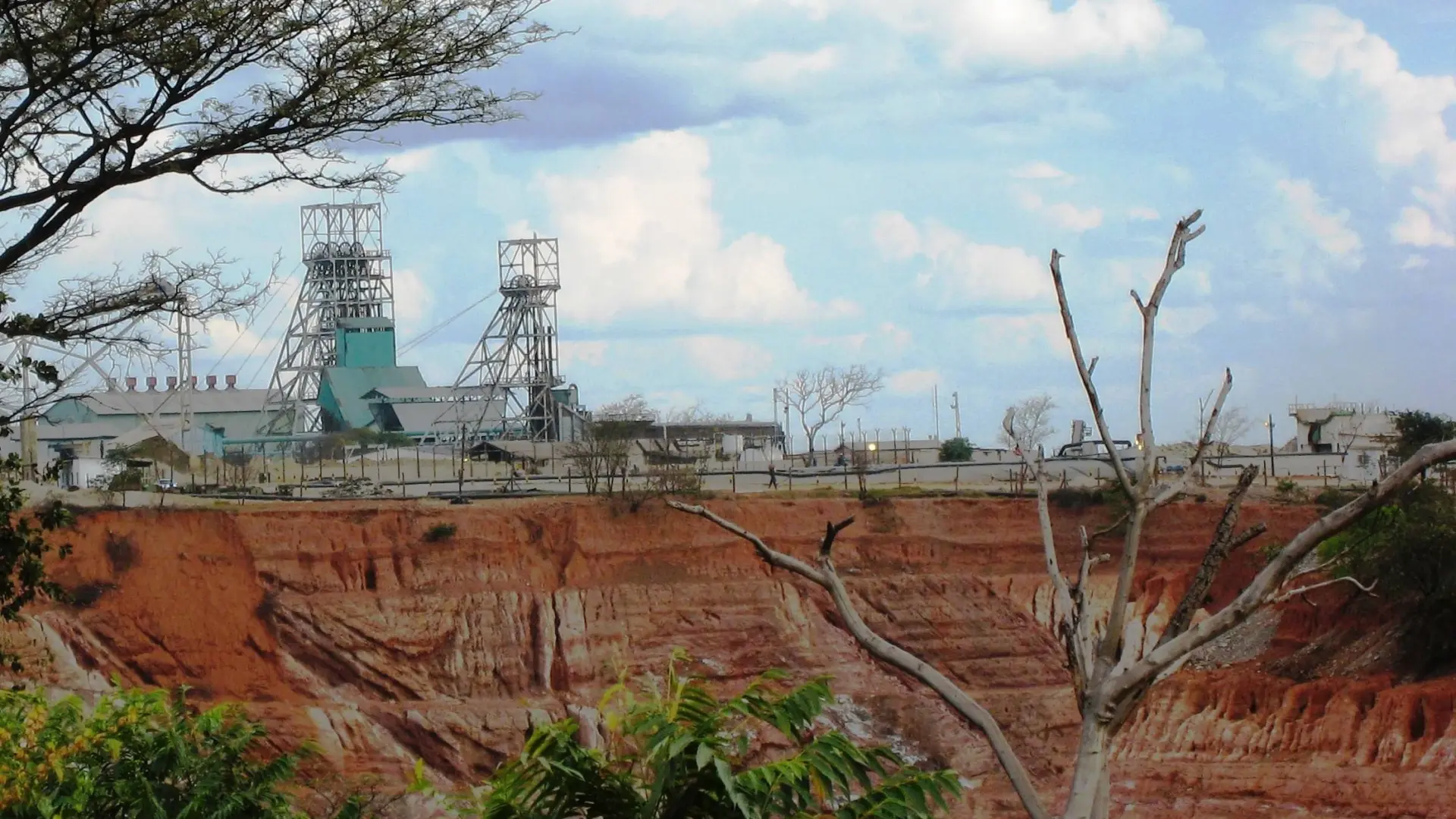
Zambia is now viewed as a strategic minerals state rather than a debt-distress story. But strategic importance is not the same as industrial leverage. The test is whether Zambia uses the current attention, from rival rail corridors to AI-assisted exploration, to move further up the copper value chain while that attention lasts.
Progress under the G20 debt restructuring framework has improved investor confidence and eased some of the financial uncertainty that overshadowed the economy for years. Lusaka is repositioning itself around copper expansion, transport-corridor leverage, energy-transition supply chains and greater domestic participation in the value its mineral sector generates. Demand tied to electric vehicles, battery systems, renewable energy, data centres and industrial electrification is reshaping how major economies think about copper supply security, and Zambia sits near the centre of that recalibration.
As one of Africa’s major copper producers, Zambia is tied to competing infrastructure strategies linking Central and Southern Africa to global manufacturing. The Lobito route through Angola and the TAZARA network through Tanzania are both being repositioned as export arteries towards Atlantic and Indian Ocean markets. Geography has become leverage, bringing diplomatic attention, financing initiatives and commercial interest from powers seeking stable supply-chain access.
The competition over Africa’s mineral future is expanding beyond mines and railways into the technological systems surrounding them. AI-assisted exploration, geological data systems and predictive modelling are beginning to reshape who finds the copper next, and that matters as much as who owns it today.
Zambia’s engagement with technology-driven exploration points to a broader shift in global mining. AI-assisted copper exploration suggests that the next phase of mineral competition may depend not only on ownership of resources but on who holds the computational capacity, geological data and predictive tools to identify commercially viable deposits faster. That extends the contest well beyond the physical corridors that dominate public discussion.
Lusaka has emphasised value addition, local processing and capturing more economic activity around the minerals sector. Zambia already smelts and refines copper, including cathode production. The policy question is which additional processing and manufacturing activities can be competitive locally, and how their benefits are shared. The structural risks remain familiar. Resource-rich economies have often struggled to translate commodity demand into diversified industry, and infrastructure can accelerate extraction without deepening manufacturing capacity or long-term resilience.
The trap is specific and worth naming, because strategic importance and industrial leverage are easily confused. Zambia is important to the energy transition the way a quarry is important to a builder. It is indispensable, and entirely replaceable in its bargaining position if all it offers is the raw stone. Strategic importance attracts suitors. It does not, by itself, change the terms on which they buy. Mineral demand creates negotiating opportunities, but durable benefits depend on investment terms and domestic capability.
Debt restructuring has given Zambia breathing space, but recovery is no longer the defining story. Whether Zambia leaves this moment with more than it entered with depends on whether it uses the current attention to move one stage up the value chain while the attention lasts. The world is reorganising around copper whether or not Zambia captures the reorganisation. That is Africa’s test as much as Zambia’s.



