Opens in a new tab

Topic

Southern Africa

SADC, Zambia, Zimbabwe, Angola, Mozambique

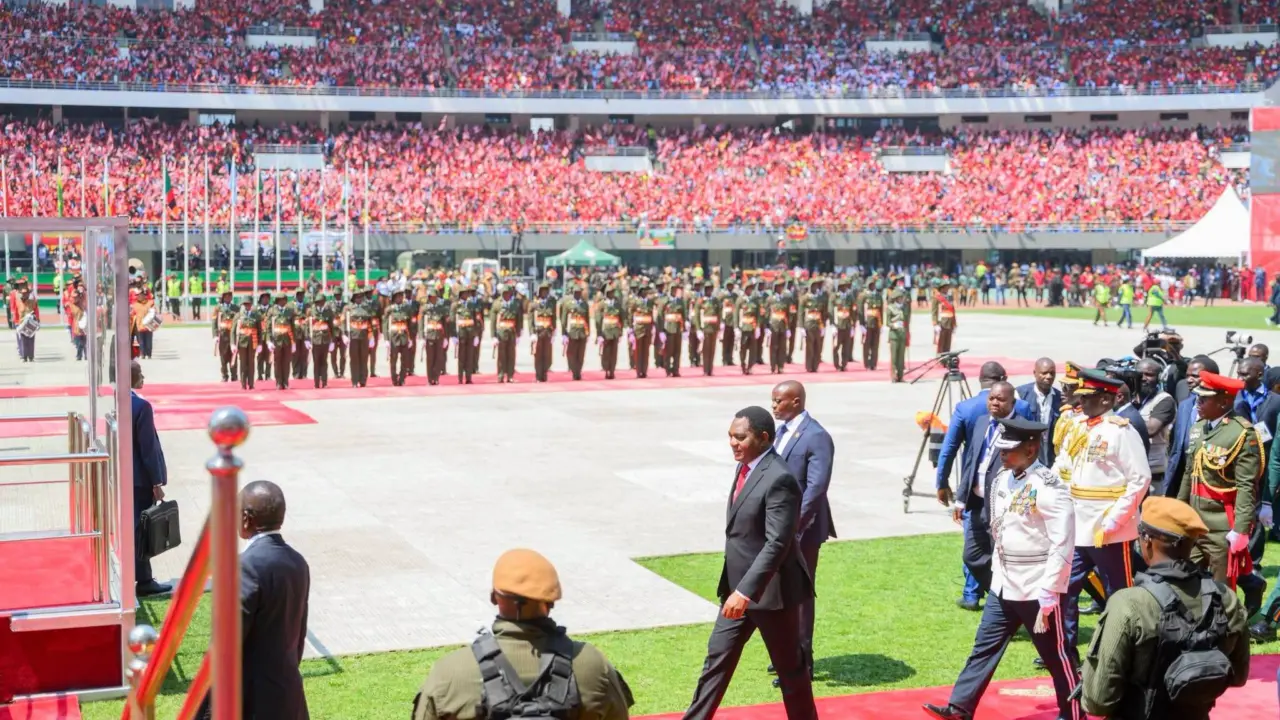
President Hakainde Hichilema walks along a red carpet past a guard of honour at his second inauguration in Lusaka

News · Analysis

Zambia’s election result leaves due-process questions over opposition arrests

Hakainde Hichilema won a second term with about 60 per cent of the vote, but the Zambia election arrests at challenger Brian Mundubile's house on counting night, where a former minister was killed, raise due-process questions that the margin cannot answer and that Volker Türk has asked the authorities to address.
By Victoria Akindele · · 5 min read

Latest in Southern Africa

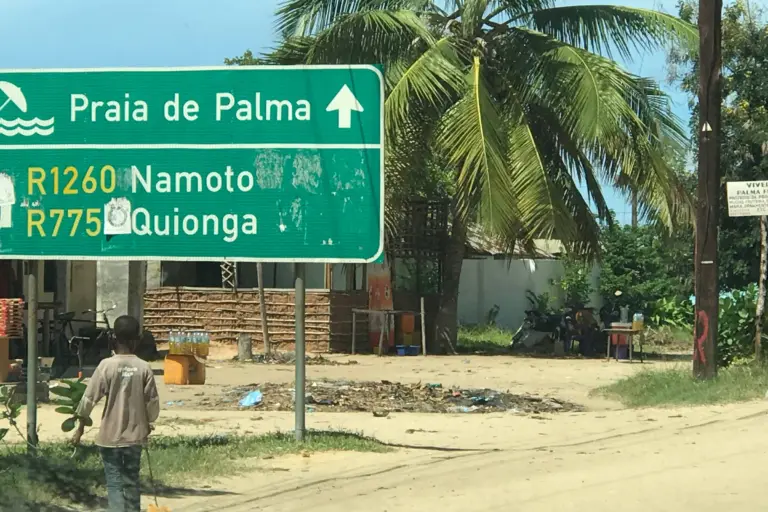
A road sign in Palma, Cabo Delgado, pointing to Praia de Palma, Namoto and Quionga.

News · Insight

Cabo Delgado’s gas restart and civilian security are different tests

As gas projects in Cabo Delgado move towards restarting, a perimeter secure enough for investors is being mistaken for recovery. The insurgency that began in 2017 has been contained rather than ended, and civilians outside the protected zones still live with attacks and repeated displacement.

Jamel Lahiani ·

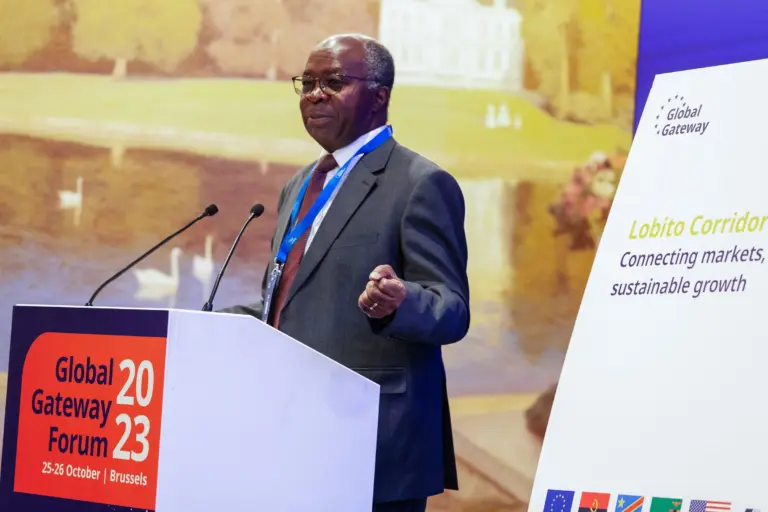
Zambian finance minister Situmbeko Musokotwane speaks at a lectern at the Global Gateway Forum in Brussels.

Economics

Zambia’s debt restructuring shows the cost of prolonged negotiations

Zambia's prolonged debt restructuring after its November 2020 default was not bureaucratic misfortune. The G20 Common Framework sets no binding timeline for creditors, so delay costs China and bondholders little while concentrating the cost on the debtor, whose own borrowing choices weakened its position.

Michael Chisamba ·

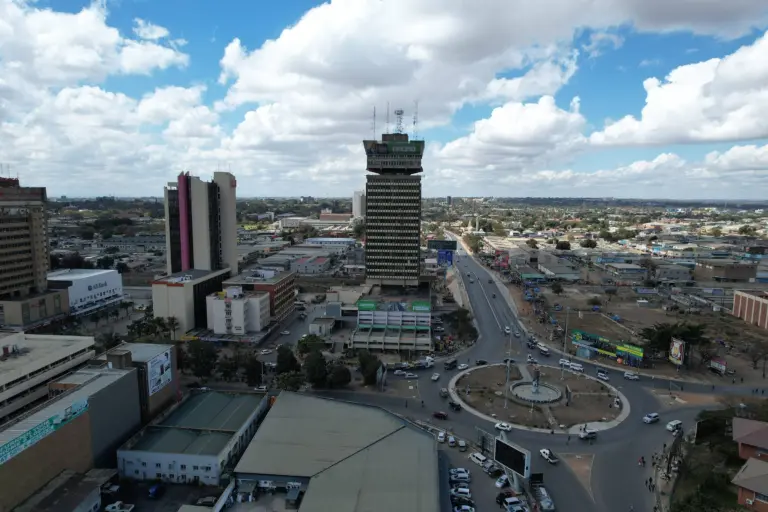
The skyline of Lusaka, Zambia.

News

RightsCon’s cancellation in Zambia raises concerns about participation

Access Now said RightsCon 2026 would not proceed in Zambia after organisers were told Chinese diplomats had pressured the government over Taiwanese participation. The episode points to a less visible dimension of digital sovereignty: control over who is allowed into the room where digital rules are debated.

Victoria Akindele ·

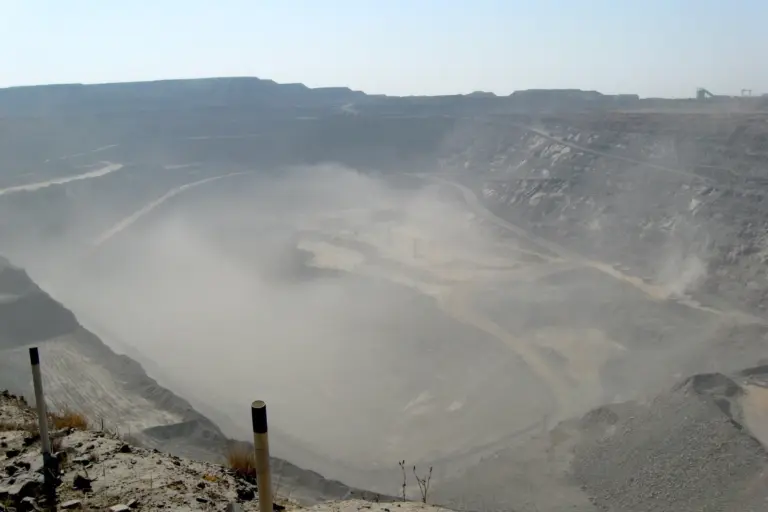
The dusty open pit of the Jwaneng diamond mine in Botswana.

Economics

Lab-grown diamonds challenge Africa’s position in the value chain

Lab-grown diamonds, with one-carat stones falling from about $3,000 in 2020 to under $500 by 2024, hit the mid-market segment that funds Botswana and Angola. The disruption exposes Africa's exclusion from cutting, branding and retail, a warning for how critical minerals are governed.

Ebenezer Makinde ·

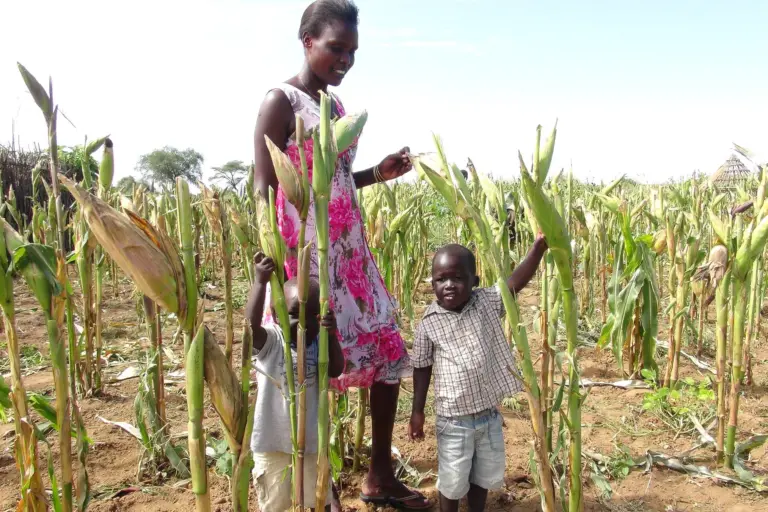
A woman and two small children stand among maize plants in a dry smallholder field.

Economics

Climate change is reshaping Africa’s food security

Climate change is turning the variability African smallholder farming was built to absorb into irregularity it cannot sustain, from Zimbabwe's Mutoko district to the Sahel. Rebuilding food systems for resilience is a problem of capital, seed systems, extension services and infrastructure, not of knowledge.

Adedoyin Shittu ·

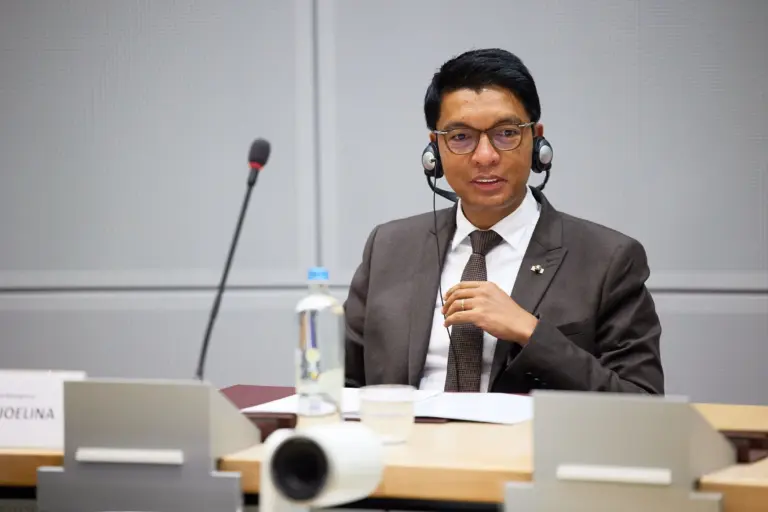
Andry Rajoelina, then president of Madagascar, speaks at a meeting wearing an interpretation headset.

News

Madagascar’s September 2025 protests force a cabinet dismissal

Youth-led protests over power and water cuts forced President Andry Rajoelina to dissolve Madagascar's cabinet on 29 September 2025. With only about 36 per cent of the population connected to electricity, the crisis reflects a governance failure at the state utility JIRAMA, not a technical one.

Aderonke Ajibade ·

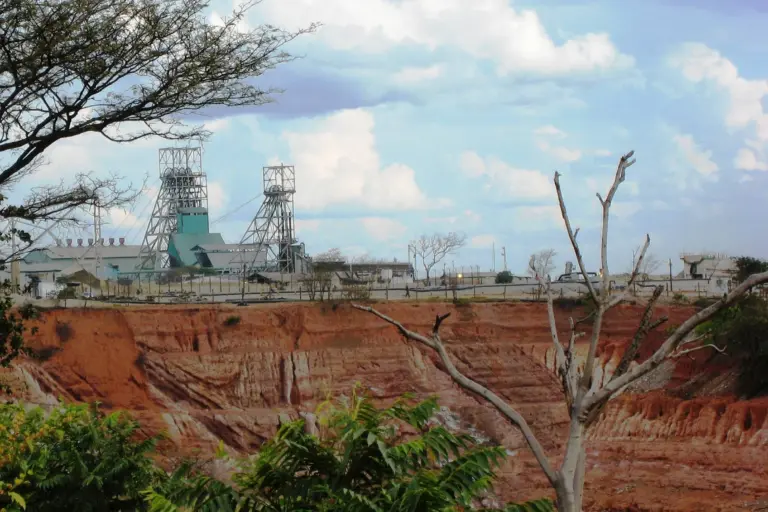
The headgear of the Nkana copper mine at Kitwe, Zambia, seen across an eroded red earth bank.

Economics

Zambia’s mineral strategy tests the link between investment and industrial growth

Zambia is moving from a debt-distress story to a strategic minerals state, courted through rival Lobito and TAZARA corridors and AI-assisted exploration. Strategic importance is not the same as industrial leverage, and the test is whether Zambia moves further up the copper value chain while attention lasts.

Michael Chisamba ·

Earlier in Southern Africa

José Eduardo dos Santos and Angola’s transition from war to oil-funded rule

José Eduardo dos Santos governed Angola from 1979 to 2017, through civil war and an oil boom that funded reconstruction and a vast patronage network. His rule gave Angola the form of multi-party democracy with the substance of one-party rule, and João Lourenço's corruption cases leave accountability unresolved.

McDike Dimpka

Seretse Khama’s path from chieftaincy to democratic leadership

Seretse Khama's marriage to Ruth Williams cost him six years of exile and his chieftaincy, but he turned private citizenship into democratic leadership. His non-racial party and the Debswana diamond partnership with De Beers built institutions that carried Botswana from poverty to middle-income status.

Victoria Akindele

Zimbabwe’s Mt Hampden project raises questions about cost and priorities

Zimbabwe's Mt Hampden capital project rests on a Chinese-funded parliament building, reportedly a $140 million grant, but the homes, ministries and services that would make it a working city lack secured financing. Its value depends on integration with the wider economy and on the priorities it displaces.

McDike Dimpka

Zimbabwe’s land compensation agreement tests sovereignty and fiscal capacity

Zimbabwe's July 2020 Global Compensation Deed commits about $3.5 billion to former commercial farmers for improvements on land taken in the Fast Track Land Reform Programme. It leaves redistribution in place but adds to a debt burden that a government in arrears cannot service from current revenues.

Victoria Akindele

Kenneth Kaunda freed Zambia, banned his rivals and then accepted defeat

Kenneth Kaunda led Zambia to independence on 24 October 1964 and governed it for 27 years. He banned rival parties in 1972, presided over a long economic decline tied to copper, and in 1991 lost a multiparty election and handed over power. This profile was written in February 2020; Kaunda died on 17 June 2021.

Joseph Isaac

Zimbabwe’s new currency needs more than legal status to win confidence

Zimbabwe made its domestic currency sole legal tender in June 2019, but legal status cannot create confidence. Inflation, power and fuel shortages, drought and scarce foreign exchange mean stability depends on credible fiscal policy and productive capacity, not on a decree or a new banknote.

Kiraithe Daniel Mutemi

The Angolan War of Independence and Civil War

Angola won independence from Portugal in 1975 after a liberation struggle fought by three rival movements. Their failure to share power, and the foreign backers behind each, turned freedom into a 27-year civil war.

Victoria Akindele