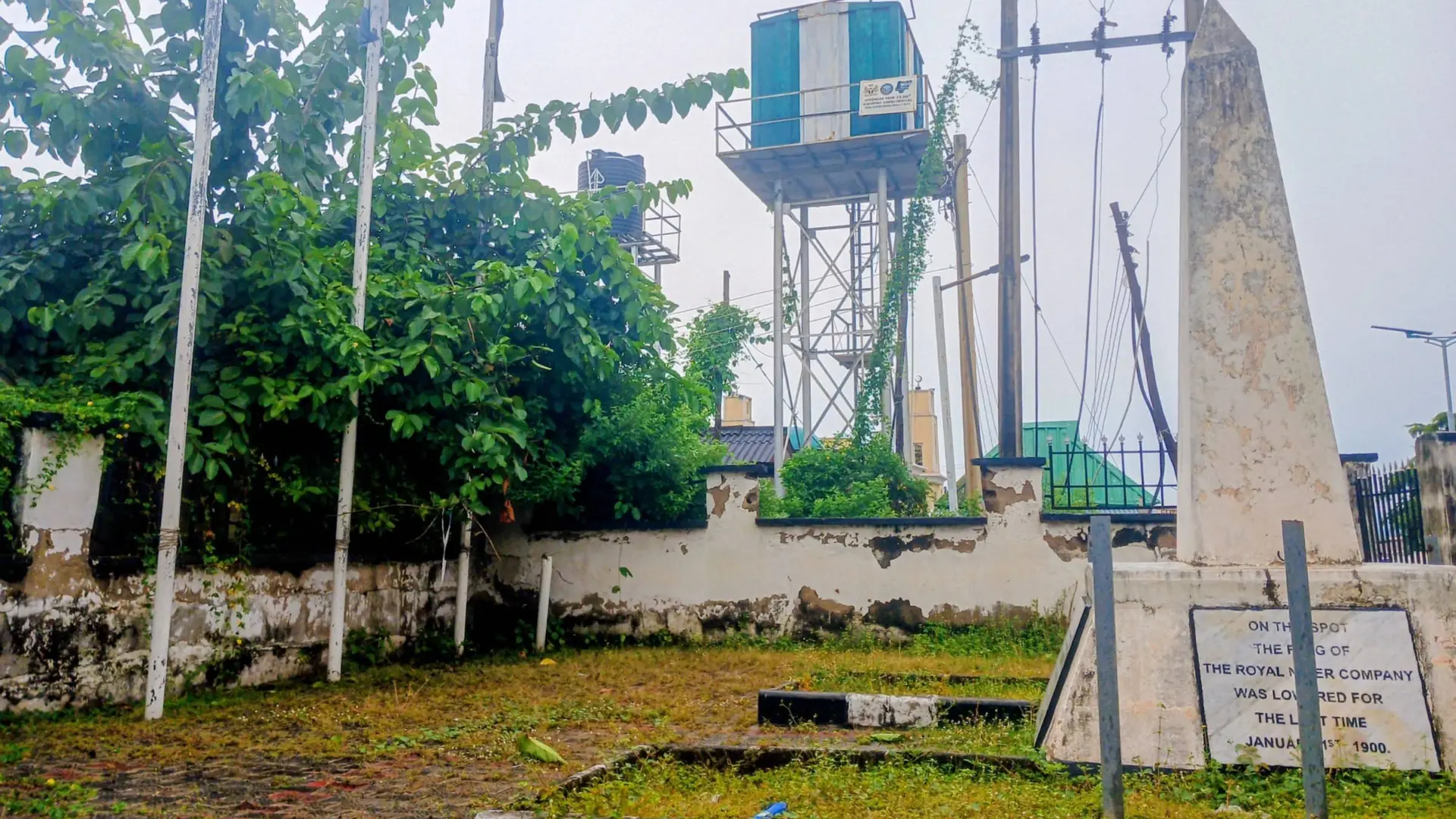
The name Nigeria was coined in 1897 by Flora Shaw, a British journalist writing for The Times of London, in reference to the territory surrounding the River Niger that the Royal Niger Company controlled. That Africa’s most populous country takes its name from a convenience label applied by a foreign journalist is not a trivial detail. This analysis argues that the way Nigeria was assembled, rather than the independence ceremony that followed, is the starting point for understanding why governing it has always been harder than its formal political structures suggest.
Before colonial unification, the territory contained diverse political systems, including the Nri Kingdom, Oyo Empire, Benin Kingdom and Sokoto Caliphate. They were functioning systems of government with their own legal traditions, economic arrangements and cultural institutions. British colonial administration did not integrate them. It subordinated them, retaining their forms in some cases as instruments of indirect rule while stripping their authority and redirecting their accountability from communities to colonial administrators. The chiefs who survived became intermediaries rather than governors.
The independence generation that inherited this arrangement on 1 October 1960 received a political entity with formal unity but without the shared political culture that makes governance coherent over time. Sir Abubakar Tafawa Balewa’s independence speech expressed the aspiration of nationhood. The structures through which that nationhood would be exercised (a federal constitution calibrated between competing regional powers, a military trained in British tradition and commanding loyalty to its own institutional hierarchy, an economic base concentrated in export commodities administered through colonial-era structures) were inherited from a system designed for extraction rather than self-determination.
The years between independence and the first military coup in January 1966 were enough to show that the political elite inheriting colonial governance structures would reproduce the competition for state resources that those structures encouraged. The coup that removed the first republic was not simply an act of military ambition. It was the outcome of a political economy in which control of the federal government had become the main mechanism for distributing economic rents, and in which the regional balance of power had become unstable enough to make military intervention appear, to those carrying it out, as a corrective rather than a rupture.
The oil economy that followed did not solve this problem. It amplified it. When petroleum revenues began flowing through the federal government in the early 1970s, the incentive to control federal power intensified. The stakes of winning national political competition rose just as the mechanisms for accountability (independent institutions, a free press, an organised civil society) were being weakened by military rule. The result was a political culture in which federal control was the main prize, and in which every governance institution was potentially an instrument for capturing or keeping it.
In the author’s analysis, Nigeria’s contemporary political challenges (the governance deficits, the security failures, the fragmented opposition, the marginalisation of young people) cannot be explained by corruption or mismanagement alone. They reflect the accumulated effects of a political system that has operated according to its structural incentives since the northern and southern protectorates were amalgamated in 1914. The colonial assembly created an entity in which the competition for authority reproduces the extractive relationships of the colonial economy. Understanding Nigeria requires starting from that assembly, not from the independence ceremony that obscured it.
Nigeria’s history also contains examples of political organisation that can inform debate about governance today. They need to be examined critically, without romanticising pre-colonial rule or treating colonial institutions as the only available model.



