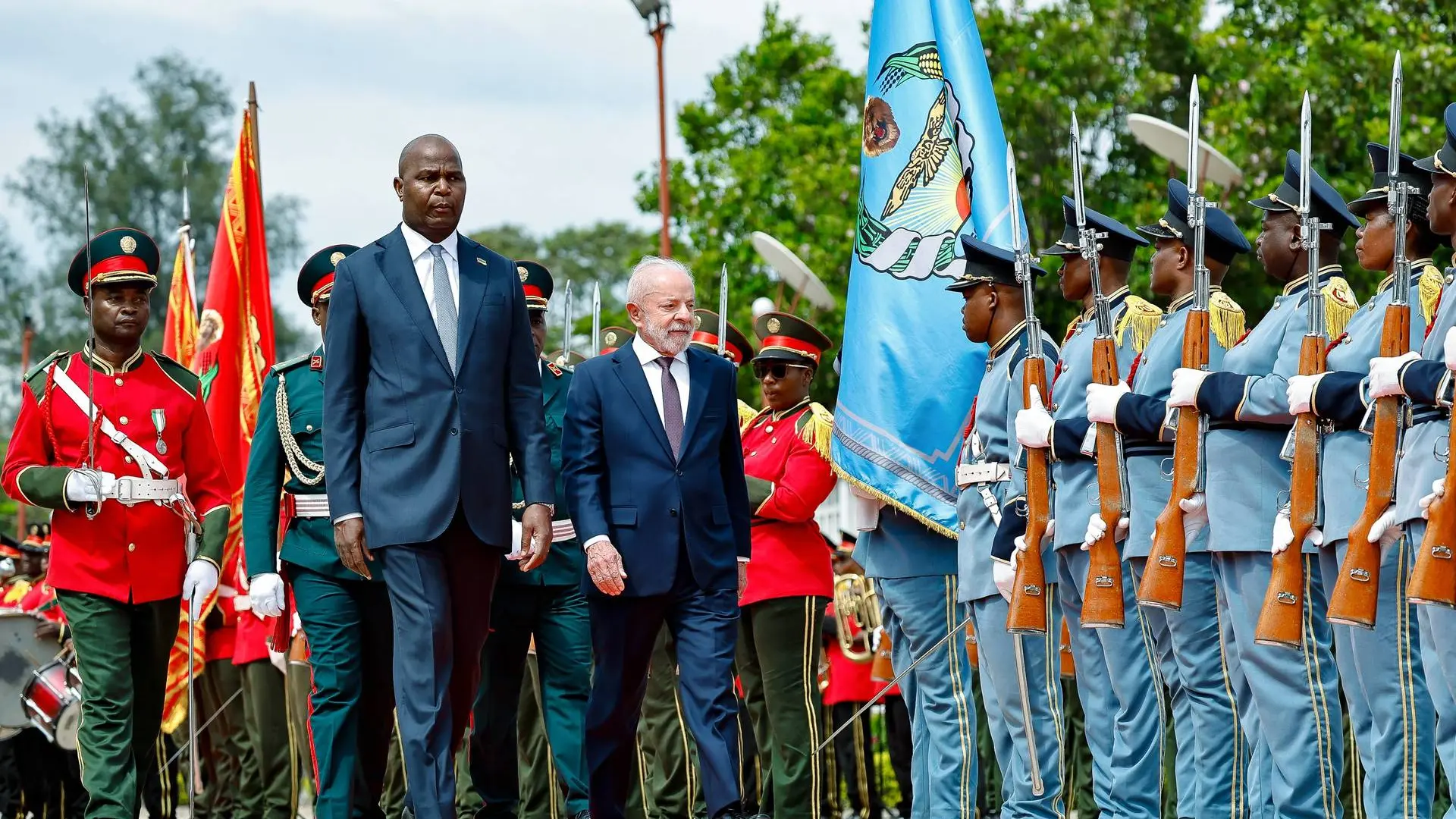
When Frelimo nominated Daniel Francisco Chapo as its presidential candidate for Mozambique’s 2024 elections, it wagered that a younger face could repair decades of eroded legitimacy. The contested, violence-marked period that followed the disputed results showed why that wager falls short. Mozambique’s political crisis is not primarily a problem of leadership personality. It is a legitimacy crisis produced by accumulated governance failures, mismanagement of resource wealth and the devastation of the Cabo Delgado insurgency.
Chapo, in his late 40s and a former provincial governor of Inhambane, was presented as generational renewal, evidence that the party that has governed Mozambique since independence in 1975 could change its leadership without abandoning institutional continuity. The opposition, led by Venâncio Mondlane and RENAMO under Ossufo Momade, read the same candidacy as cosmetic: a new face on unchanged foundations.
The hidden-debt legacy
Mozambique’s politics cannot be understood without the hidden debt scandal: $2.2 billion in undisclosed government-guaranteed loans for maritime security and tuna fishing projects that, when revealed in 2016, triggered a suspension of donor aid, the collapse of an IMF programme and a severe economic shock. The scandal implicated senior Frelimo officials and the wider system of politically connected enrichment that had grown alongside Mozambique’s donor-dependent development model.
Chapo did not cause the crisis and does not come from the generation that designed it. But he inherits it, along with the fiscal constraints, the reputational damage and the popular association between Frelimo rule and elite enrichment at public expense. A generational leadership change that does not produce structural accountability for the hidden debt era risks being read by some voters as a change of personnel without reform of the system.
A generational leadership change that does not produce structural accountability for the hidden debt era risks being read by some voters as a change of personnel without reform of the system.
Cabo Delgado and gas revenues
The Cabo Delgado insurgency, which erupted in 2017, has been linked to Islamic State networks, to local grievances and to the central government’s failure to engage the region’s predominantly Muslim north. It has displaced hundreds of thousands of people and strained the state’s capacity and credibility in the gas-rich province. Rwandan forces and the SADC Mission in Mozambique have provided security assistance that has allowed some stabilisation in coastal areas. The insurgency’s root conditions, poverty, exclusion and the disconnection between resource wealth and local benefit, remain inadequately addressed.
The Rovuma projects
Mozambique’s offshore gas projects are at different stages. Eni’s Coral South exported its first LNG cargo in November 2022, while other large developments faced separate financing and security constraints. Public benefits depend on each project’s revenue, costs and fiscal terms.
The sequencing is unforgiving. The revenue rules are being written now, in sovereign-fund legislation and production agreements negotiated while the province they concern is still under military guard. Once gas flows under terms set in this window, Mozambique will live inside whatever was signed.
The election’s implications
The violence that followed the 2024 results, in which opposition supporters contested the announced outcome and security forces responded with force, exposed the fragility of Mozambique’s democratic consolidation. Frelimo has governed without electoral interruption since independence. That continuity is both its institutional claim and its democratic vulnerability.
Chapo’s administration begins under contested legitimacy that generational renewal alone cannot resolve. Cabo Delgado’s insecurity, gas expectations and the debt legacy intersect, though they have distinct causes and actors. What Mozambique requires is a Frelimo administration willing to govern with transparency, electoral accountability and discipline over resources, without treating anticipated gas income as a substitute for accountability or local services. Whether Chapo begins that transformation or merely performs it is the question the next decade will answer.



