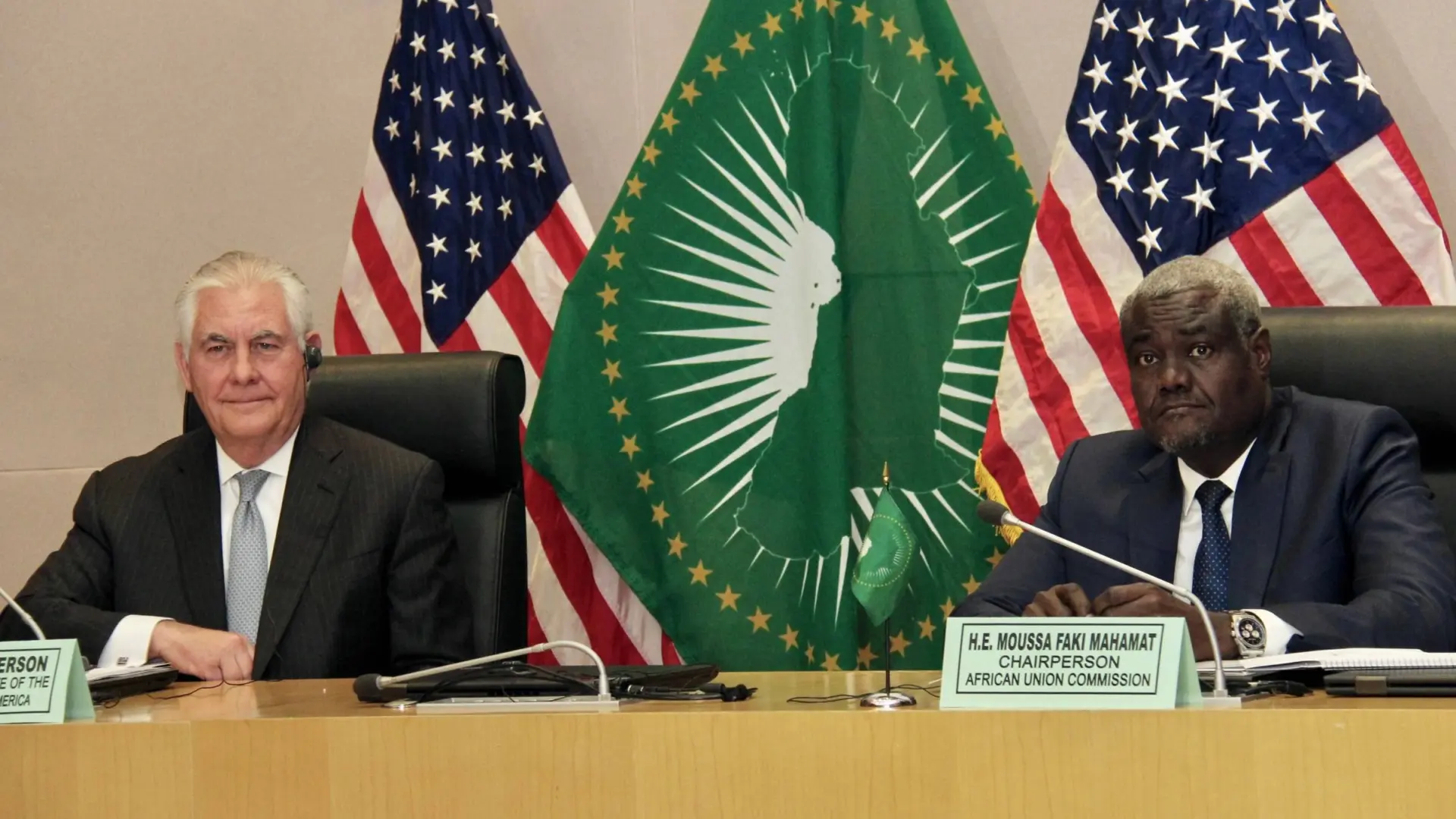
The African Union was built to be what the Organisation of African Unity was not: a continental body able to intervene in member state crises, assert collective authority over governance failures and project a unified African position to the world. More than two decades on, it can do far less than that design promised. This analysis argues that the gap is not a failure of leadership. It reflects what the AU’s members are willing to be bound by.
The wave of military coups across West and Central Africa between 2020 and 2023 tested the AU’s framework of democratic governance more directly than any previous period. Guinea, Mali, Burkina Faso, Niger and Gabon all experienced military takeovers. The AU’s response, suspension, calls for a swift return to civilian rule and diplomatic engagement, followed the institutional script. It did not quickly restore civilian government in any of these cases. No coup was reversed by AU pressure, and the gap between institutional position and institutional power became publicly visible.
Sovereignty and intervention
Part of the explanation is structural. The AU is a body of member states, and its authority to intervene in their domestic affairs operates within the framework of sovereign consent.
The African Peace and Security Architecture, the AU’s framework for conflict prevention and crisis response, has instruments available to it. But deploying them requires political will from member states who are calculating the precedents that forceful intervention sets. A vote to sanction one military government is a vote that can be applied to you. That logic produces paralysis dressed as process.
This is the trap at the centre of every collective body built from sovereign members. The rule that would discipline the worst actor is the same rule that could one day discipline its author. A continent of presidents, several of whom have extended their own terms, bent their own constitutions or arrived by means the charter formally prohibits, will not vote to build an enforcement mechanism that could be turned against them. The AU’s weakness is therefore not a bug to be fixed by better leadership or a larger secretariat. It is the faithful expression of what its members are willing to accept.
The funding question
The financing structure compounds the problem. The AU’s operational budget depends heavily on external contributions from the European Union, the United States and the United Nations system. External funding raises questions about priorities and autonomy, but does not by itself establish that funders dictate positions. The Kagame reform agenda identified this dependency as the institution’s central vulnerability and backed a financing model based on a 0.2% levy on eligible imports from outside AU member states. Implementation has been slow, partial and insufficient to change the dependency meaningfully.
Member states could reduce that dependency by paying their assessed contributions in full and on time. Arrears persist, and they are themselves a vote on how much continental authority the members want to exist.
Frameworks and enforcement
The AU has had genuine successes. Its Agenda 2063 framework provides a continental planning horizon that has shaped national development strategies. The African Continental Free Trade Area is among the most significant African institutional achievements in a generation, even as its implementation remains uneven. These show that the AU can build frameworks when there is enough member state consensus to sustain them.
What the AU cannot do, and has not been able to do since its founding, is impose consequences on powerful member states that deviate from continental norms. That is a design feature of an institution built by sovereign states that did not, and do not, intend to surrender the autonomy to deviate when their domestic interests require it. Closing the gap would require members to give up precisely the autonomy they built the AU to protect, which is why every reform agenda that does not begin with that surrender ends as another communiqué. The continent does not lack a continental body. It lacks members willing to be bound by one, and no institutional redesign can supply a political will that its founders deliberately withheld.



