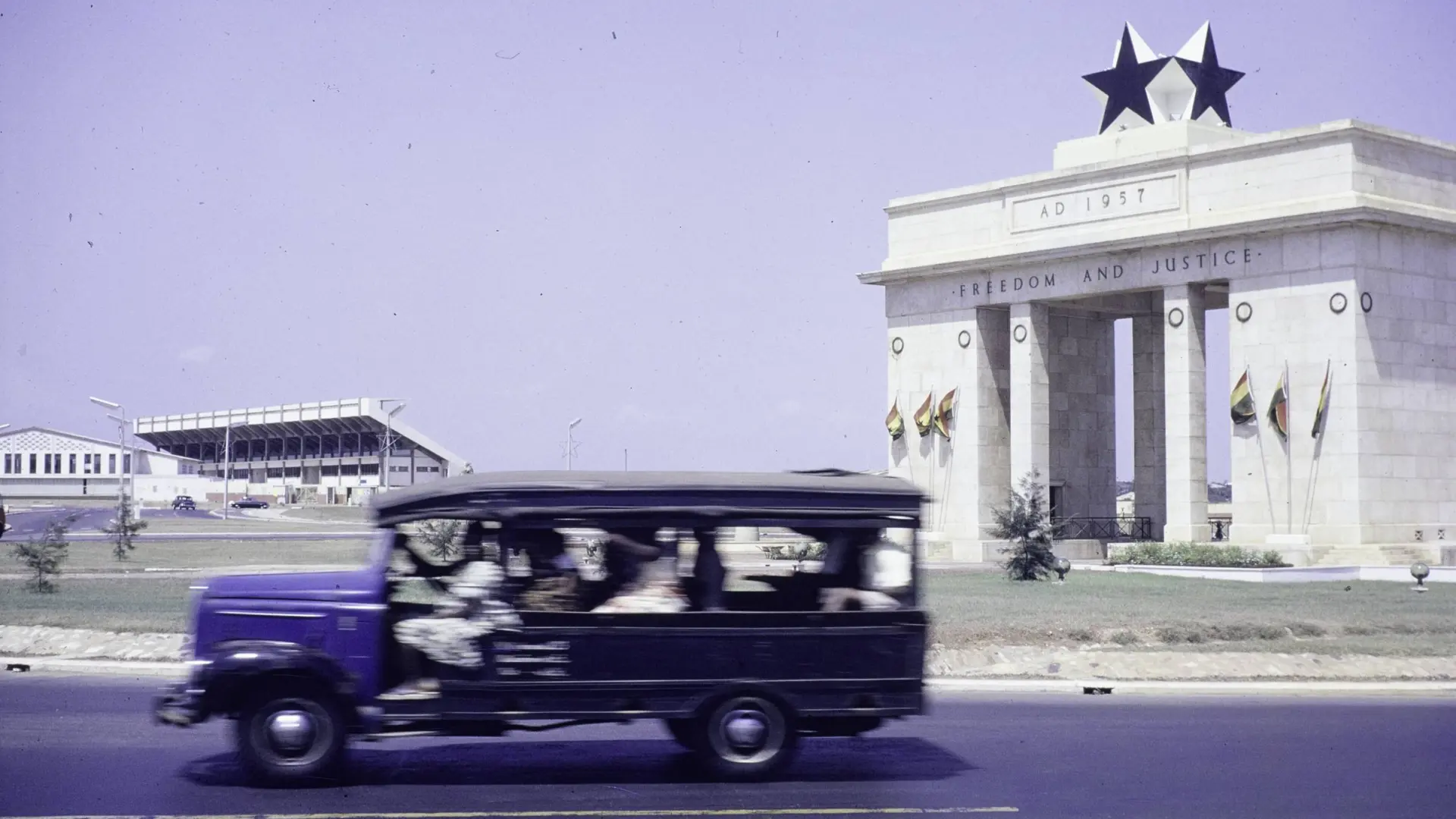
When Ayi Kwei Armah wrote about post-independence Ghana in 1968, he described corruption, complicity and the rot spreading through institutions built to serve citizens but captured by elites. Nearly sixty years later, the novel reads less as a period piece than as a diagnosis. Its lasting insight is that the problem was never only bad individuals but captured institutions, and that logic now runs through debt, extractive deals and leaders who campaign as reformers.
What gives the novel its uncomfortable durability is that it refused the consolation every generation since has reached for, the belief that the next honest leader fixes it. Armah’s unnamed protagonist is not surrounded by villains who could be voted out. He is surrounded by a logic that makes the honest man the deviant and the corrupt man the rational actor, a structure that rewards the gleam of the bribe and punishes the refusal of it. That is why the book did not date when Nkrumah fell, or when structural adjustment arrived. The names changed and the architecture held.
The institutions behind Armah’s critique
Debt service shows how that architecture works today. Annual debt service payments rose from $61 billion in 2010 to $163 billion in 2024, an increase of about 167% that has redirected African resources away from citizens and towards creditors. According to the African Development Bank’s 2024 assessment, African governments in 2023 collectively spent more on servicing debt than on education for the first time.
Mining tells a similar story. The DRC supplies over 70 per cent of global cobalt, essential for the batteries in electric vehicles and smartphones. Yet much of that output is owned by foreign companies, refined abroad and sold to battery makers who capture most of the value. The 2008 Sicomines deal gave Chinese partners majority control of the venture, leaving the state a junior partner in the extraction of its own resources.
This is the rot Armah described: not moral failure but systemic design, a structure organised to extract and distribute upward. The problem is not merely bad individuals but captured institutions.
The problem is not merely bad individuals but captured institutions.
The reformer’s reversal
Kenya’s William Ruto campaigned as the champion of hustlers, the working poor, against dynastic elite wealth. In office, his government’s 2024 finance bill proposed new taxes, and the Gen Z protests of June 2024 forced its withdrawal. Nigeria’s Bola Tinubu removed the fuel subsidy on his first day in office, and pump prices roughly tripled. The pattern Armah diagnosed, leaders who campaign as reformers and govern as system-maintainers, is not a corruption of post-independence politics. It is its logic.
African resistance and unfinished liberation
Yet Armah’s vision, for all its unflinching diagnosis, was never a counsel of despair, and the present shows resistance as well as rot. The Gen Z protests forced Kenya’s president to withdraw his finance bill. The Sahel states have broken with the French military presence. The African Union’s May 2025 continental debt conference called for a UN framework convention on debt. Whatever one makes of each, they suggest that while the beautyful ones are not yet born, their conception may be underway, not through another generation of elites capturing state power, but through citizens refusing to accept that independence must mean the repetition of oppression. The resistance is younger than the states it confronts, digitally organised and unimpressed by liberation credentials, which makes it harder to co-opt than the oppositions that came before it.
Armah’s critique directs attention to institutions as well as individuals. A diagnosis that survives every change of patient is no longer a story about Ghana in 1968. It is a description of an operating system, and the beautyful ones cannot be born until the system, rather than its current administrators, is what the continent sets out to replace. Armah named the condition. The continent is still finding the cure.



