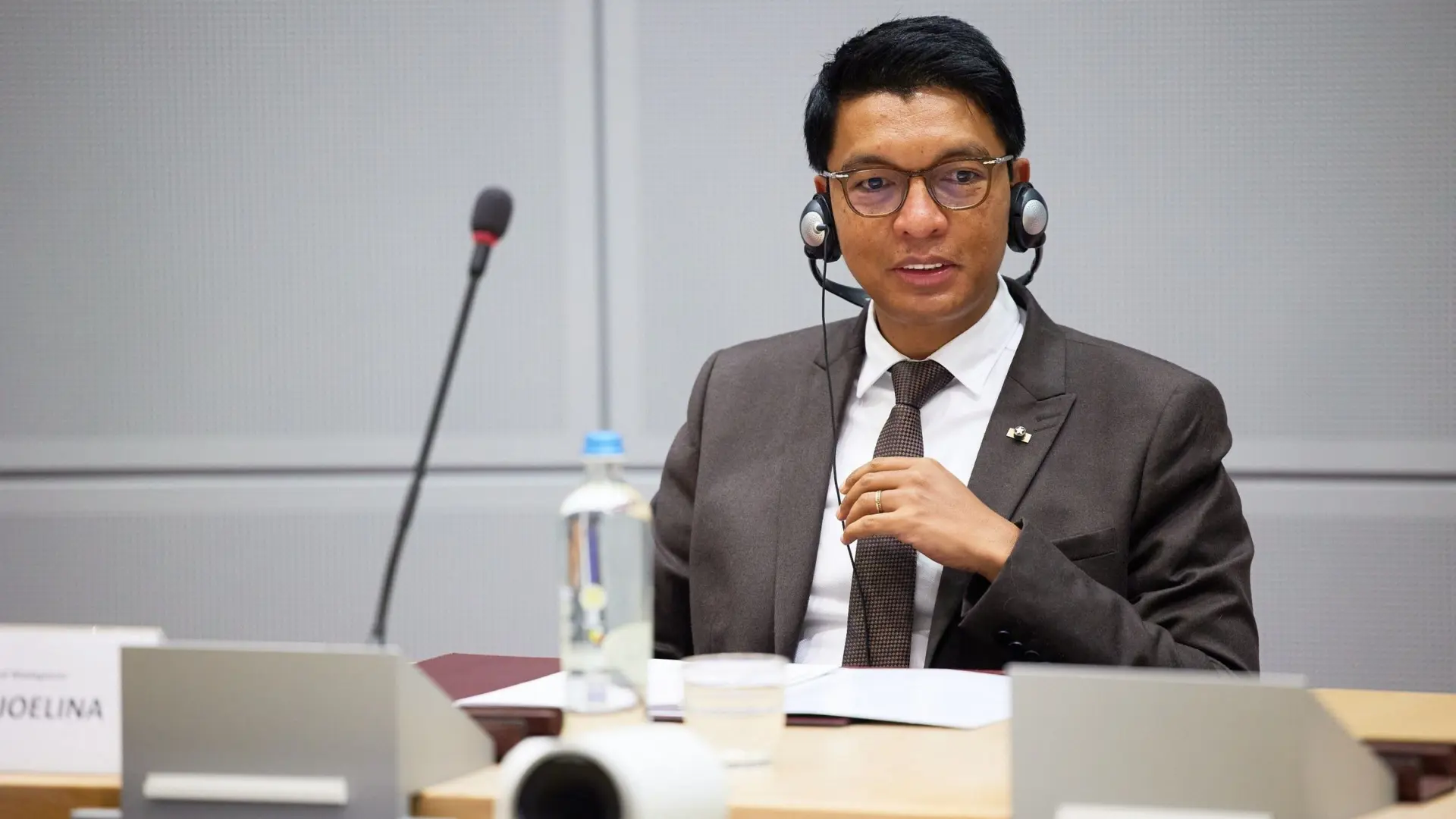
President Andry Rajoelina dismissed his prime minister and dissolved his cabinet on 29 September 2025, after days of youth-led protests over power cuts, water shortages and living conditions in Madagascar.
The protests were triggered by blackouts, and the blackouts trace back to the state utility JIRAMA. This analysis argues that JIRAMA’s failure is a governance problem with engineering symptoms, and that a cabinet change does not address it.
The UN human rights office reported at least 22 people killed and more than 100 injured since the protests began on 25 September, citing evidence of unnecessary and disproportionate force by security services. Madagascar’s foreign ministry disputed the figures. UN High Commissioner for Human Rights Volker Türk urged Malagasy authorities to halt excessive force and release detained protesters. In a televised address, Rajoelina apologised for government failings and invited proposals for a new prime minister within three days.
The pressures on JIRAMA
Only approximately 36 per cent of Madagascar’s population has access to electricity. JIRAMA, weakened by high technical losses, tariffs that do not recover costs and dependence on costly fuel oil, had subjected the capital to rolling blackouts. These intensified after a late 2024 rainfall deficit reduced hydropower output. By September 2025, the outages had become a political issue as much as a technical one.
The utility’s commercial losses, the gap between the cost of generating power and the revenue recovered, have been subsidised by a state whose own fiscal position is fragile. International lenders have long identified JIRAMA’s stabilisation as central to Madagascar’s recovery, and a World Bank programme now under way aims to reduce outages and nearly double clean energy generation capacity. But for a household in Antananarivo facing long daily outages, the measure is food spoiled, businesses closed and children unable to study after dark.
The mechanism is what turns a power utility into a political fault line. A tariff set below the cost of generation means every unit of electricity sold deepens the utility’s losses. The treasury then covers them, which crowds out the capital investment that would fix the generation deficit. Dependence on imported fuel oil ties the cost of keeping the lights on to an exchange rate the government does not control. The result is a utility that cannot invest its way out of decline, financed by a state that cannot afford to keep subsidising it. The blackout is not an accident inside that arrangement. It is the arrangement’s logical output.
The blackout is not an accident inside that arrangement. It is the arrangement’s logical output.
The political significance of basic services
Protesters referred to Kenya’s 2024 youth-led uprising, placing their own movement alongside it. In Madagascar the demand was concrete: reliable power and water.
At the time, Rajoelina’s cabinet dismissal sought to ease political pressure. Whether it would be enough depended on whether a new government could demonstrate measurable improvements in power and water delivery within a timeframe citizens were willing to accept. Madagascar’s young protesters had shown they could organise, name the problem and apply pressure. A reshuffled cabinet sitting atop an unreformed utility did not answer it.



