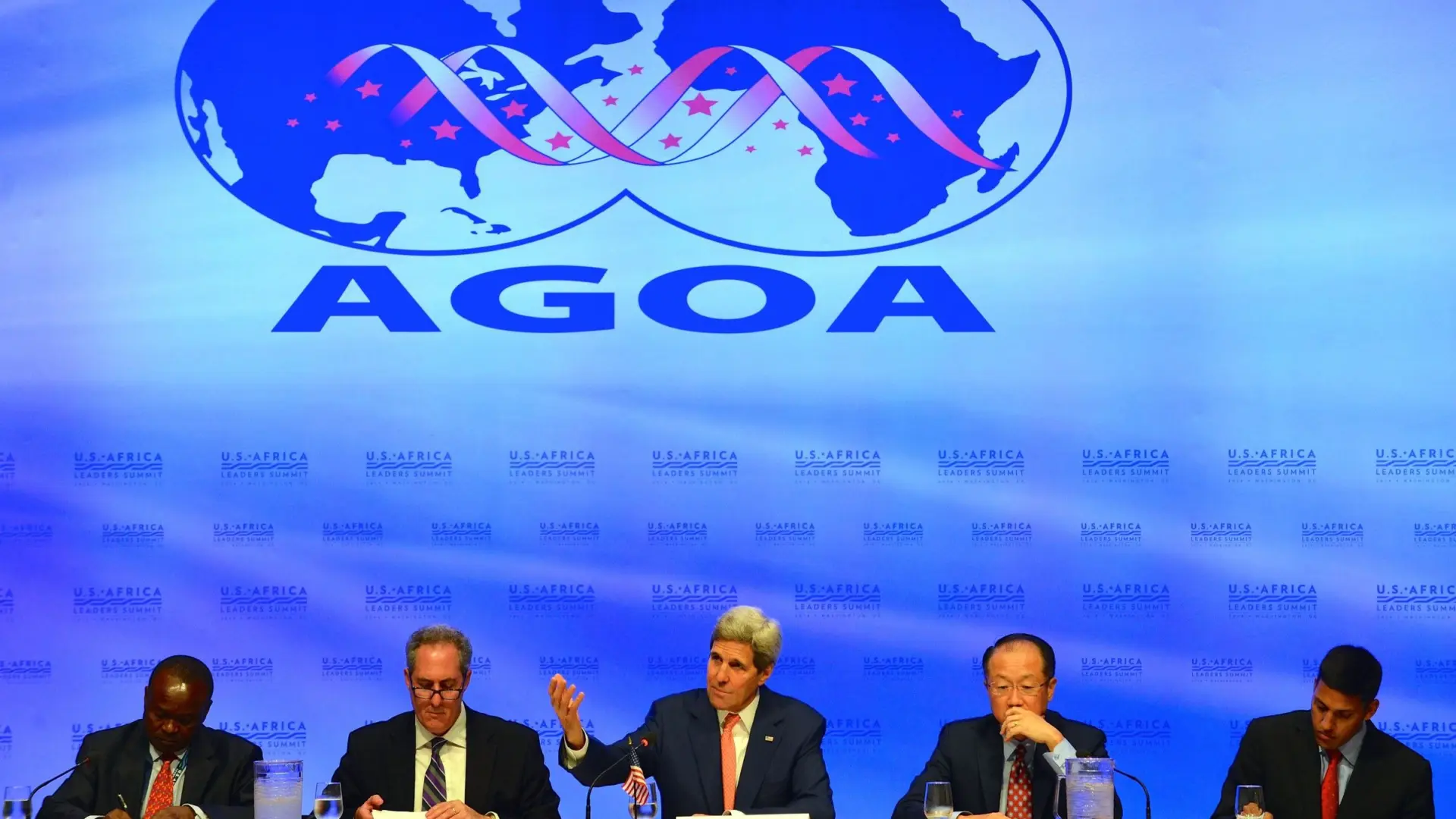
The African Growth and Opportunity Act has offered qualifying sub-Saharan African producers preferential access to the US market. Its expiry on 30 September 2025 leaves exporters facing uncertainty over renewal and reinforces the case for diversifying markets and supply chains.
Enacted in 2000, AGOA provided duty-free treatment for eligible goods from qualifying countries. Apparel producers in countries including Kenya and Lesotho have used those preferences. The programme also made continued benefits conditional on statutory country-eligibility requirements and annual reviews.
Renewal and eligibility
For exporters, uncertainty about renewal can complicate orders and investment decisions. Eligibility also depends on criteria including human rights, labour rights, the rule of law and US foreign-policy and security interests. Those conditions create exposure to decisions outside a firm’s control, but individual eligibility decisions should be assessed against their stated legal grounds and evidence.
Ethiopia’s loss of preferences
The United States terminated Ethiopia’s AGOA eligibility effective 1 January 2022. USTR cited gross human-rights violations by the Ethiopian government and other parties amid the conflict in northern Ethiopia. The decision removed preferential treatment, rather than prohibiting all exports to the United States. It exposed apparel producers and workers to higher market-access costs, but the employment effect needs to be separated from the effects of war, demand and other conditions.
Diversification and regional trade
The extent to which AGOA diversified exports varies by country and product. Concentration in a few sectors can leave firms exposed when preferences end, while access to a large market can help build production capabilities. Assessing the balance requires trade and investment data, including evidence of whether firms can compete in other markets.
Regional infrastructure and supply chains under the African Continental Free Trade Area offer complementary opportunities. They require implementation of agreed rules, lower trade costs and sufficient demand; a continental agreement alone does not remove commercial or political risk. Expanding regional trade can broaden firms’ options alongside exports to the United States and other markets.
Preserving useful preferential access and reducing dependence on any one arrangement are compatible goals. Trade policy should support affected workers and firms while investing in logistics, production capacity and additional markets. The aim is to make a future renewal decision less disruptive to livelihoods.
Governments and firms need credible contingency plans for changes in tariffs, eligibility and demand. Diversification can reduce exposure, but it takes time and should be judged by actual sales, costs and employment outcomes.



