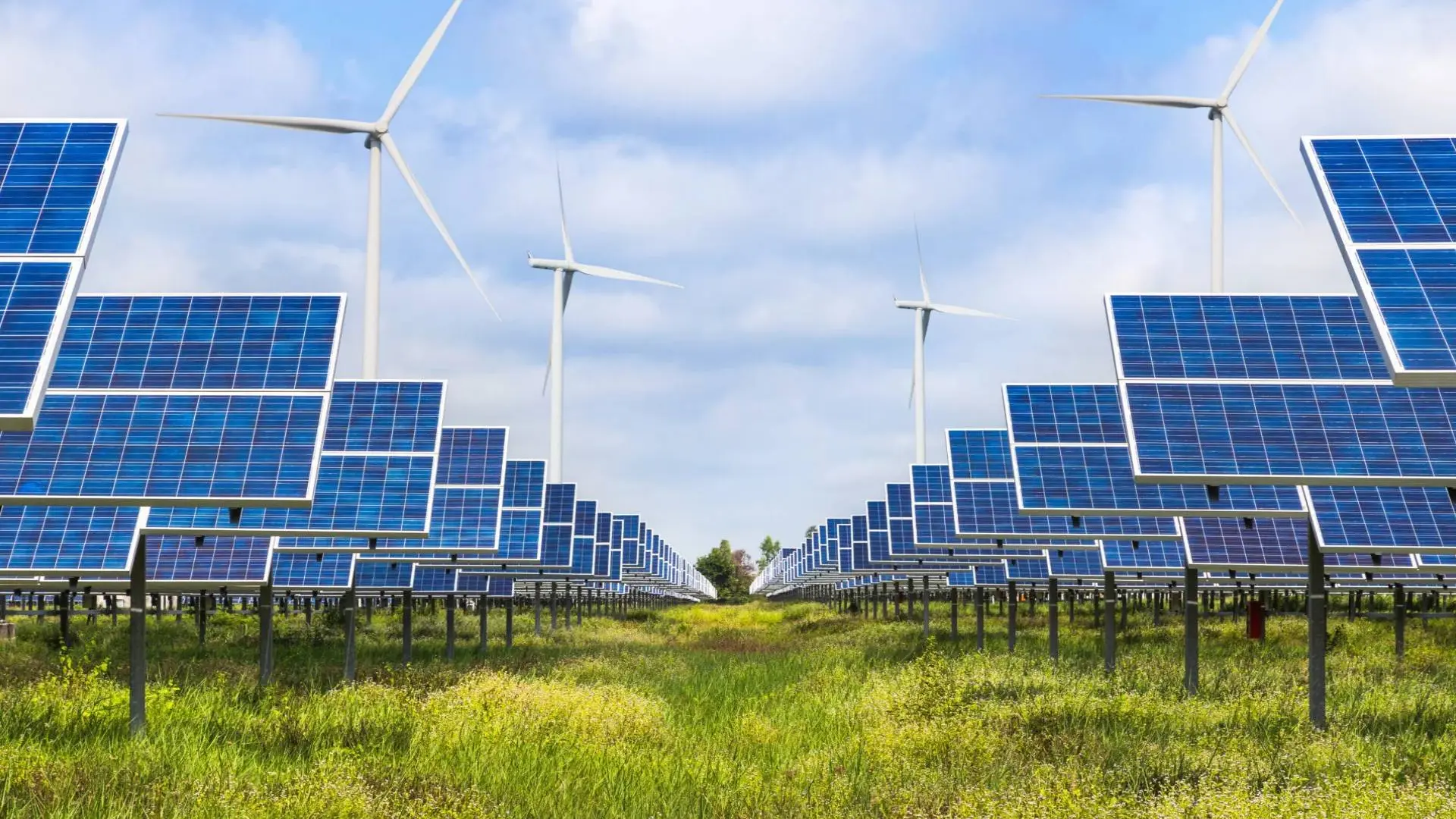
Africa’s renewable energy resources offer opportunities to expand electricity access, but resources alone do not deliver reliable power.
The International Energy Agency’s 2022 assessment put Africa’s share of the world’s best solar resources at 60 per cent. That describes resource quality, not existing generation. Wind, geothermal and hydropower resources offer other opportunities, with substantial differences between countries. Financing, transmission, maintenance and regulation determine how much of that potential becomes useful electricity.
Unreliable electricity affects households, health facilities and businesses. It can interrupt vaccine refrigeration, limit operating hours and force firms to pay for backup generation. Access, reliability, affordability and the capacity to power equipment are distinct problems, and their costs vary across economies and users. A national connection rate alone cannot show whether a clinic has continuous power or a workshop can afford to run machinery.
Falling solar equipment costs and the spread of solar home systems, mini-grids and pay-as-you-go finance have broadened the available options. Companies including Zola Electric and M-KOPA illustrate different service and financing models. Their reach and affordability need to be assessed using dated customer data, with people, households and connections counted separately.
Small solar home systems can provide lighting and phone charging. Welding, cold storage and manufacturing generally require larger and more reliable supplies. Off-grid services should be assessed against what users can actually do with the electricity, alongside grid-based options.
Morocco’s Noor experience
Morocco’s Noor Ouarzazate complex illustrates the financing and engineering demands of large renewable projects. The African Development Bank describes the complex’s capacity as 580 megawatts across concentrated solar power and photovoltaic installations. Its experience can inform project planning, financing and operation elsewhere, although countries differ in demand, resource quality and grid capacity. Concentrated solar power is one option among several, not a model every country should adopt.
What reliable electricity requires
Expanding reliable electricity requires transmission and distribution as well as generation. Regulation should protect consumers while giving investors clear terms. Local participation and training can help retain skills, but requirements need to reflect available capacity and project costs. Financing should be judged by tariffs, fiscal obligations, maintenance provision and service delivered over time. These choices will differ across countries. No single flagship project or international pledge can resolve them.
Exports and domestic needs
Export projects, including proposed green hydrogen production, should be assessed alongside domestic electricity needs. Exports can generate income and support infrastructure, but the benefits depend on contracts, ownership, water use, public liabilities and access for local consumers. Governments should explain how projects improve domestic services and how revenue and risks are shared. Domestic benefit requires enforceable terms and accountable institutions. Neither foreign investment nor local ownership guarantees it.
Africa does not need to be saved from energy poverty. It needs investment structures that allow its extraordinary resources to be converted into infrastructure on terms that generate long-term domestic benefit, rather than a fresh export dependency wearing the colour green.



