The East African Community’s members have signed a customs union and a common market, yet non-tariff barriers, retaliatory taxes and political disputes still hold back trade between them. That is not a contradiction. Every member gains if all open their borders, but each gains more, in the short run, by keeping its own barriers up while its neighbours lower theirs. Until breaking the rules costs more than keeping them, integration will stall at the border post.
A collective-action trap
Economic nationalism and fear of market domination have prompted member states to adopt defensive postures despite established regulatory frameworks. Smaller economies fear that larger neighbours will dominate their markets. Kenya’s weight is plain: according to the Kenya National Bureau of Statistics, its exports to EAC neighbours reached KSh 102.69 billion in the first nine months of 2019, a 5.77 per cent year-on-year increase.
The mechanism beneath the protectionism is a trap that the treaty was meant to solve and instead exposed. A common market asks governments to surrender a tool (the protective tariff) that is politically valuable precisely because its costs are diffuse and its benefits are concentrated in domestic industries that vote and lobby. The treaty changed the law without changing that incentive, and an incentive that survives a law will outlast it. This is why ratification at the summit and obstruction at the border are not a contradiction. They are the same governments responding to two different audiences.
Mutual allegations of unfair trading practices have become routine. Uganda accused Kenya in early 2020 of seizing Ugandan products labelled as counterfeits. Kenyan manufacturers, in turn, accuse Ugandan and Tanzanian authorities of imposing punitive taxes inconsistent with EAC Customs Union protocols.
Political tensions and the corridors
Political tensions compound the economic hurdles. Border disputes, such as the contested claim to Migingo Island between Uganda and Kenya, persist and disrupt local trade. Rwanda’s accusations against Uganda for allegedly supporting opposition groups expose deeper regional political fissures.
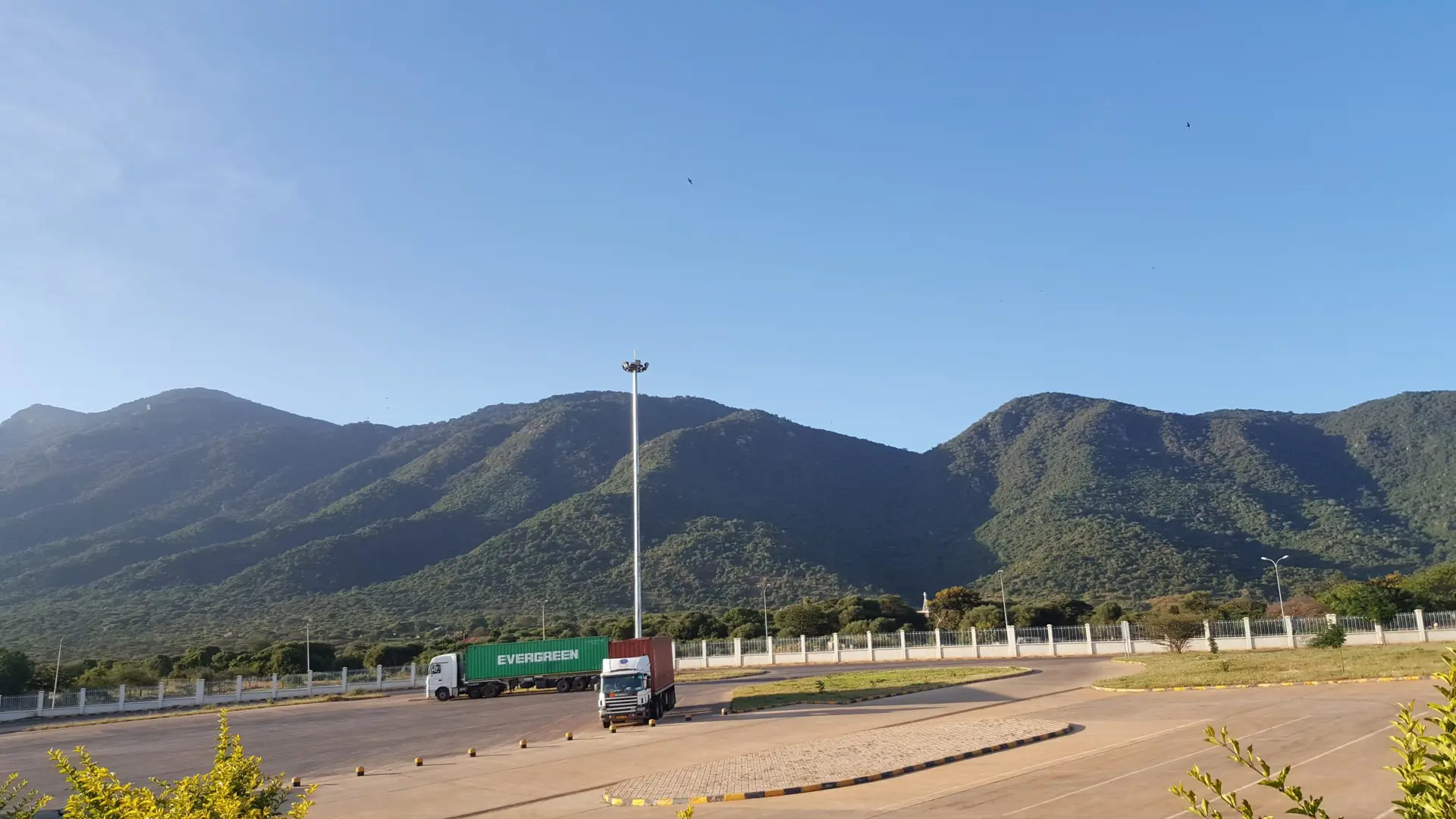
The costs are most legible along the corridors. The Northern Corridor from Mombasa and the Central Corridor from Dar es Salaam carry the region’s imports to landlocked Uganda, Rwanda and Burundi, and every additional day a truck spends at a weighbridge or a border post is a tax collected in time rather than money, paid ultimately by the consumer in Kampala or Kigali. Landlocked members experience their neighbours’ customs posts as a chokehold on their entire external trade, which converts routine administrative friction into a sovereignty grievance. This is the second trap layered on the first. Geography makes the smaller economies dependent on the goodwill of the coastal states, and every trade dispute reminds them of that dependence, deepening the distrust that produced the dispute in the first place.
What integration requires
The Association of Southeast Asian Nations and the European Union show how regulatory consistency, dispute-resolution mechanisms and transparent trade policies can build economic trust. The difference between those blocs and the EAC is not the quality of the treaty text. It is the existence of an enforcement mechanism that makes defection more expensive than compliance. Without a cost for breaking the rule, the rule is merely advice, and advice does not move a sealed truck across a contested border.
Continued non-compliance risks protracted disputes, investor uncertainty and slower growth, as investors wary of unpredictable rules take their capital elsewhere. The East African Community’s promise of a common market was built on sound economic logic. What has failed is not the logic but the political will to enforce it. Until member states confront the gap between their treaty commitments and their behaviour at the border, the EAC will remain a club whose most important rules are honoured only in the breach.



