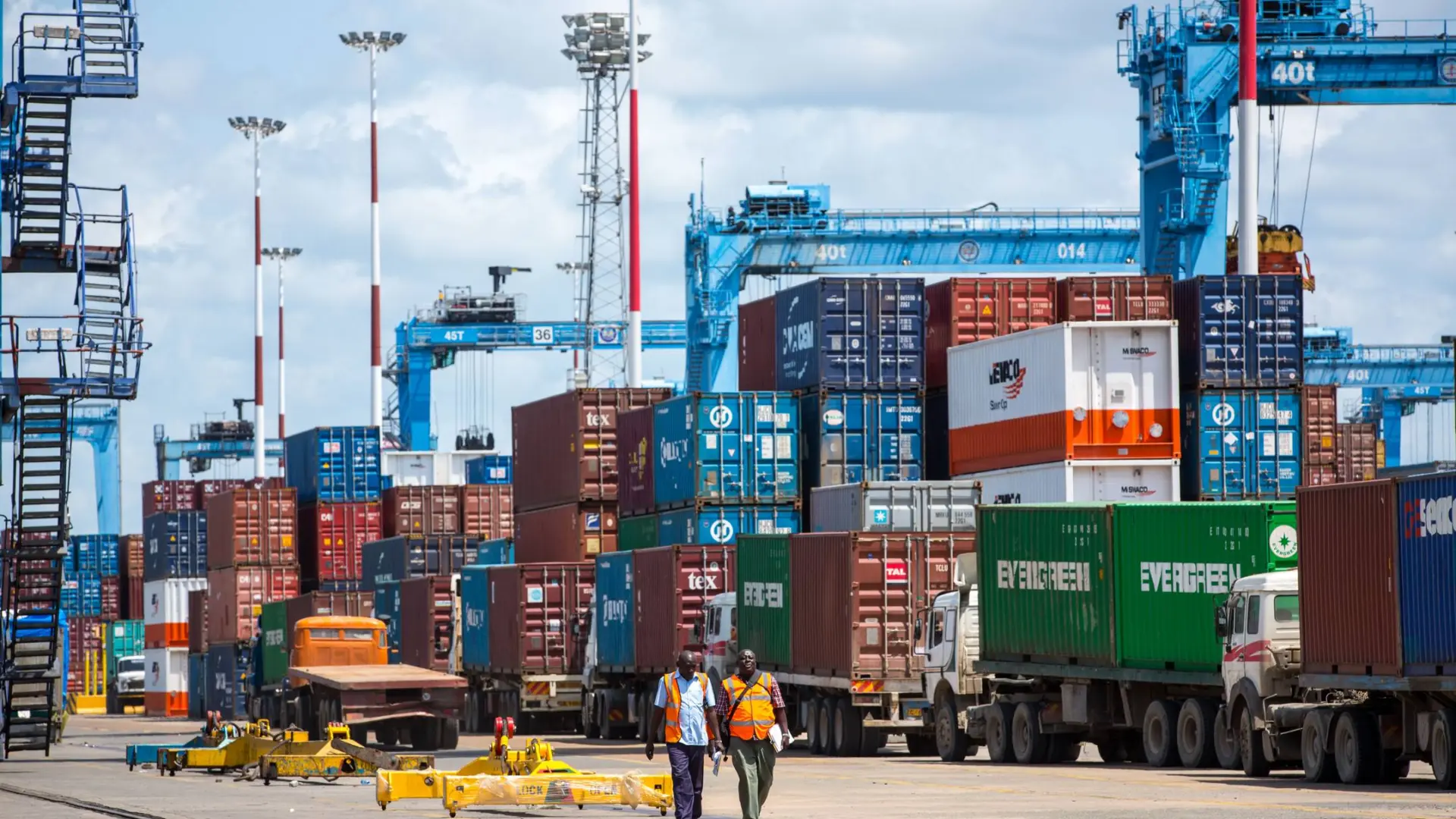
China has widened duty-free access for African exports, but width is not depth. FOCAC 2024 announced expanded financing and tariff preferences, and by May 2026 the policy had widened further: China’s foreign ministry said zero-tariff treatment would extend to 53 African countries with diplomatic relations from 1 May, widening an arrangement that had covered 33 least-developed African countries since December 2024. Without the standards compliance, cold chains and processing capacity to use that access, African exports to China will stay concentrated in raw materials.
The Forum on China-Africa Cooperation summit in Beijing in September 2024 produced a substantial set of pledges. The commitment to zero-tariff treatment for 100 per cent of goods from Africa’s least-developed countries was a genuine expansion from the previous 97 per cent coverage. Infrastructure financing across rail, ports, energy and digital networks was framed as a continuation of Belt and Road engagement at a moment when Western alternatives (the G7’s Partnership for Global Infrastructure and Investment, the EU’s Global Gateway) were competing for African attention.
Width and depth
Wide access means that more African goods can enter the Chinese market without tariff barriers. Deep access means that African producers can actually participate in Chinese supply chains and retail markets in volumes that generate significant returns. The gap between the two is not primarily a trade policy gap. It is a capability gap in product standards compliance, cold chain logistics, brand recognition, distribution networks and the institutional relationships that decide whether African agricultural products, processed goods or manufactured items can compete in a large and competitive market.
Africa’s trade relationship with China remains structurally asymmetric. In 2023, according to UN Comtrade data published in 2024, African exports to China were dominated by crude oil, copper, cobalt and agricultural raw materials, much the same commodity concentration seen in Africa’s trade with other major partners. Chinese exports to Africa span manufactured goods, electronics, machinery, consumer products and construction materials, a diversified, higher-value mix that reflects China’s position as a manufacturing economy. The trade balance runs substantially in China’s favour. Duty-free access does not address that asymmetry unless African producers can develop the processing capacity, quality standards and logistics required to compete in Chinese consumer markets for goods beyond raw commodities.
Ethiopia’s Hawassa Industrial Park shows the limits of export-zone models built around foreign anchor investors. It was cited for years as an exemplar of manufacturing investment creating African industrial capacity. The withdrawal of several anchor tenants after the disruption of the Tigray conflict, competitive pressure from lower-cost producers in Southeast Asia and the difficulty of keeping supply chains running in a conflict-affected environment exposed how dependent the park was on outside commercial commitment rather than domestic industrial development. Market access alone does not compensate for industrial capacity built around other people’s decisions.
Digital trade and African bargaining power
The digital trade dimension of FOCAC 2024 is where the depth question becomes most consequential. China’s commitments to digital infrastructure (data centres, e-commerce platforms, digital payment systems) create connectivity for African-Chinese digital trade while also embedding Chinese platform architectures in African digital economies. With Chinese-linked e-commerce, payment and public-service platforms, the expansion of Chinese digital market access and the expansion of Chinese digital influence are not easily separated. FOCAC did not address who sets the governance standards for trade that flows through those channels.
African governments now approach China from a more assertive posture than a decade ago, partly because of the experience of first-generation Belt and Road debt negotiations and partly because competition from Western alternatives has increased their bargaining leverage. Kenya’s decision to renegotiate the Standard Gauge Railway commercial terms, Zambia’s debt restructuring under the G20 Common Framework and Ethiopia’s engagement with Chinese creditors on debt relief all reflect a willingness to treat Chinese partnerships as commercial relationships requiring contractual accountability rather than geopolitical gifts requiring diplomatic gratitude.
Wide access is what China offers. Depth is what Africa must demand, specifically and contractually, in the space between the summit communiqué and the project agreement.
FOCAC 2024’s pledges are wide. Whether they become deep depends on what African governments negotiate into the implementation frameworks: industrial content requirements attached to infrastructure financing, African equity in joint ventures, technology transfer obligations in digital partnership agreements and local procurement thresholds in construction contracts. Wide access is what China offers. Depth is what Africa must demand, specifically and contractually, in the space between the summit communiqué and the project agreement. The continent’s experience with extraction teaches that the terms set at the start determine who benefits at the end.



