Africa’s headline growth figures conceal sharp differences between economies, and a wider gap between growth and the jobs a young population needs. Global powers are competing for a stake in the continent’s future. Whether that competition improves living standards will be decided less by the attention of external suitors than by the terms on which African governments trade, borrow and accept investment.
Continental totals hide substantial differences between countries. Those grappling with conflict or debt crises are lagging behind the rest. The aggregate number is real. What it conceals is more instructive than what it reveals.
The external suitors
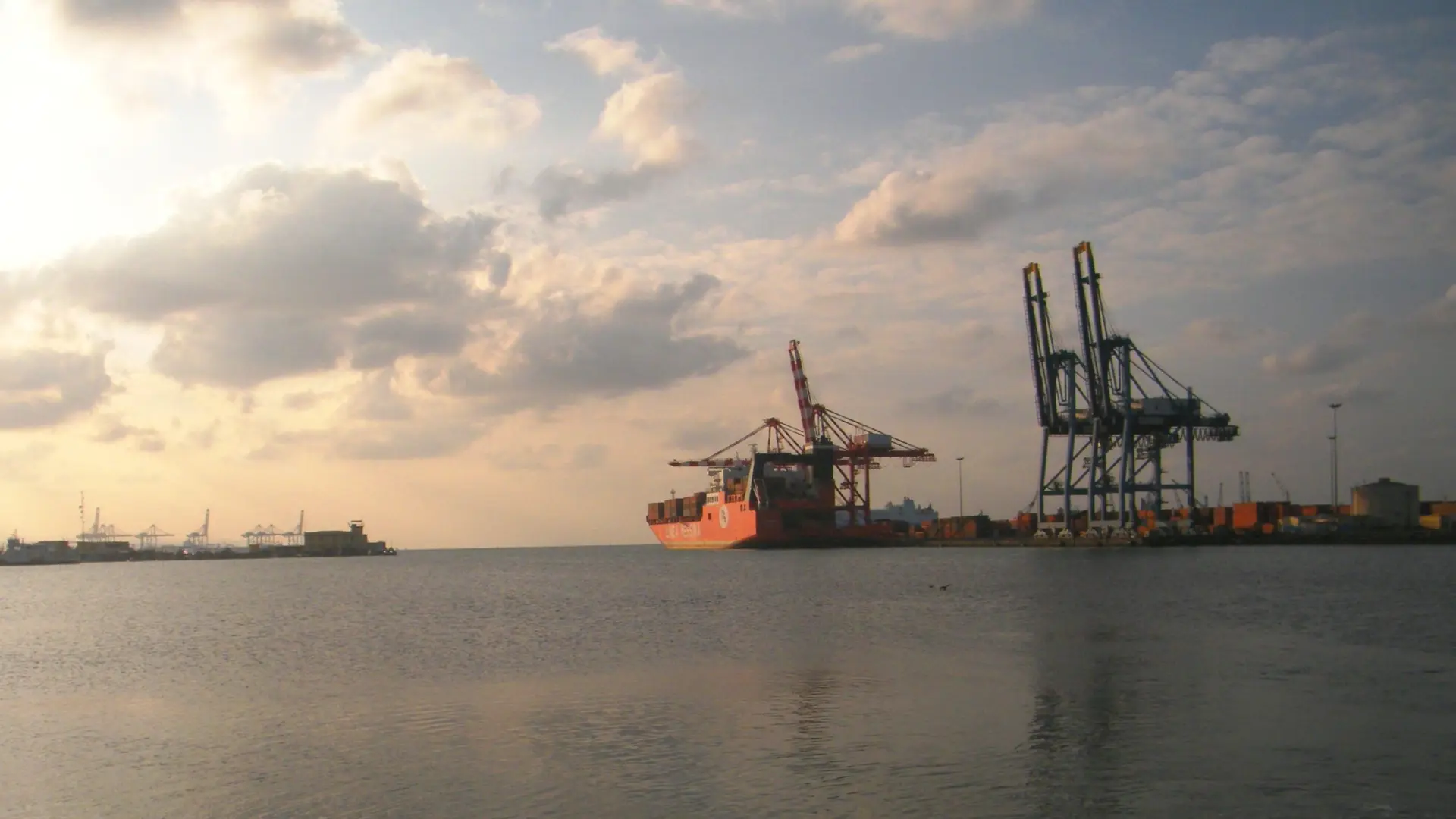
The competition represents a structural shift from the indifference that characterised much of the post-Cold War period. China has become Africa’s largest trading partner, with bilateral trade reaching nearly $300 billion in recent years. Chinese goods, from machinery to smartphones, reach African markets in volume, while African raw materials (minerals, oil, agricultural commodities) flow east. The imbalance shows in Africa’s sizeable trade deficit with China. Beijing has offered concessions, including pledges of zero-tariff access for goods from dozens of African countries. But lasting balance will require Africa to industrialise and move up value chains at home, processing raw materials before they leave the continent. That transition has not yet happened at the required scale, and the financing models offered to fund it do not automatically build the institutional capacity to sustain it.
Europe’s economic ties with Africa run deep but are shifting. The EU remains a major market for African exports, from North African textiles to West African cocoa, but Europe’s share of African trade has fallen over the past three decades as Asian economies gain ground. The EU’s Global Gateway initiative, positioned as a values-based alternative to Chinese Belt and Road infrastructure financing, is still assembling its financial architecture. The United States, meanwhile, has faced decisions about the duration and terms of the African Growth and Opportunity Act (AGOA), its hallmark Africa trade policy, which was set to expire in 2025. That leaves long-term trade architecture uncertain at a moment when certainty is precisely what would attract the manufacturing investment AGOA was designed to stimulate.
Participation in global economic decisions needs to be matched by influence over their terms.
Africa’s own architecture
The African Continental Free Trade Area is the most consequential structural development in African economic architecture in a generation. Aimed at knitting together a $3.4 trillion market of 1.4 billion people, it is gradually beginning to reduce the intra-continental trade barriers that have kept Africa’s internal trade share among the lowest of any major region. The Pan-African Payments and Settlement System, rolling out to allow countries to trade in local currencies while reducing dependence on dollar correspondent banking, is the financial complement to the trade liberalisation the AfCFTA targets. The African Union’s permanent seat at the G20, secured in 2023, gives these continental instruments a voice in global economic governance. Separately, each of these developments represents progress. Together, they outline an African economic sovereignty architecture whose construction is underway but incomplete.
Growth without enough jobs
The continent’s youthful population, over 60 per cent under the age of 25, offers a demographic dividend that is frequently cited and less frequently planned for. Growth at current rates does not generate enough formal employment to absorb the young Africans entering labour markets each year, leaving a gap between growth figures and the lived experience of most of the population. Closing that gap requires an industrial transformation that commodity export revenues alone cannot deliver. It needs the manufacturing density, services depth and technology economy that convert demographic scale into productive capacity. Tech startup ecosystems in Lagos, Nairobi, Accra and Cairo are real, and their growth is significant. They are not yet the primary driver of formal employment at the scale Africa’s demography demands.
Decisions made at home
Africa’s economic trajectory in the coming decade will be determined not by the attention of external suitors but by the quality of decisions made internally: about debt management, about industrial policy, about the terms on which foreign capital is accepted and the conditions under which it creates domestic value. A continent at the intersection of the world’s critical mineral supply chains, the world’s largest youth population and the green transition has structural leverage, but policymakers can use it only with careful coordination when they negotiate debt, trade and investment terms. Converting that leverage into sovereign economic capacity is the defining task.



