French forces did not leave Mali, Burkina Faso and Niger because Russia offered an alternative. They left because their presence had become politically untenable. The military governments presented their demands as assertions of sovereignty, while insecurity continued across the region, and those demands belong to a wider renegotiation of the terms on which African states deal with external powers.
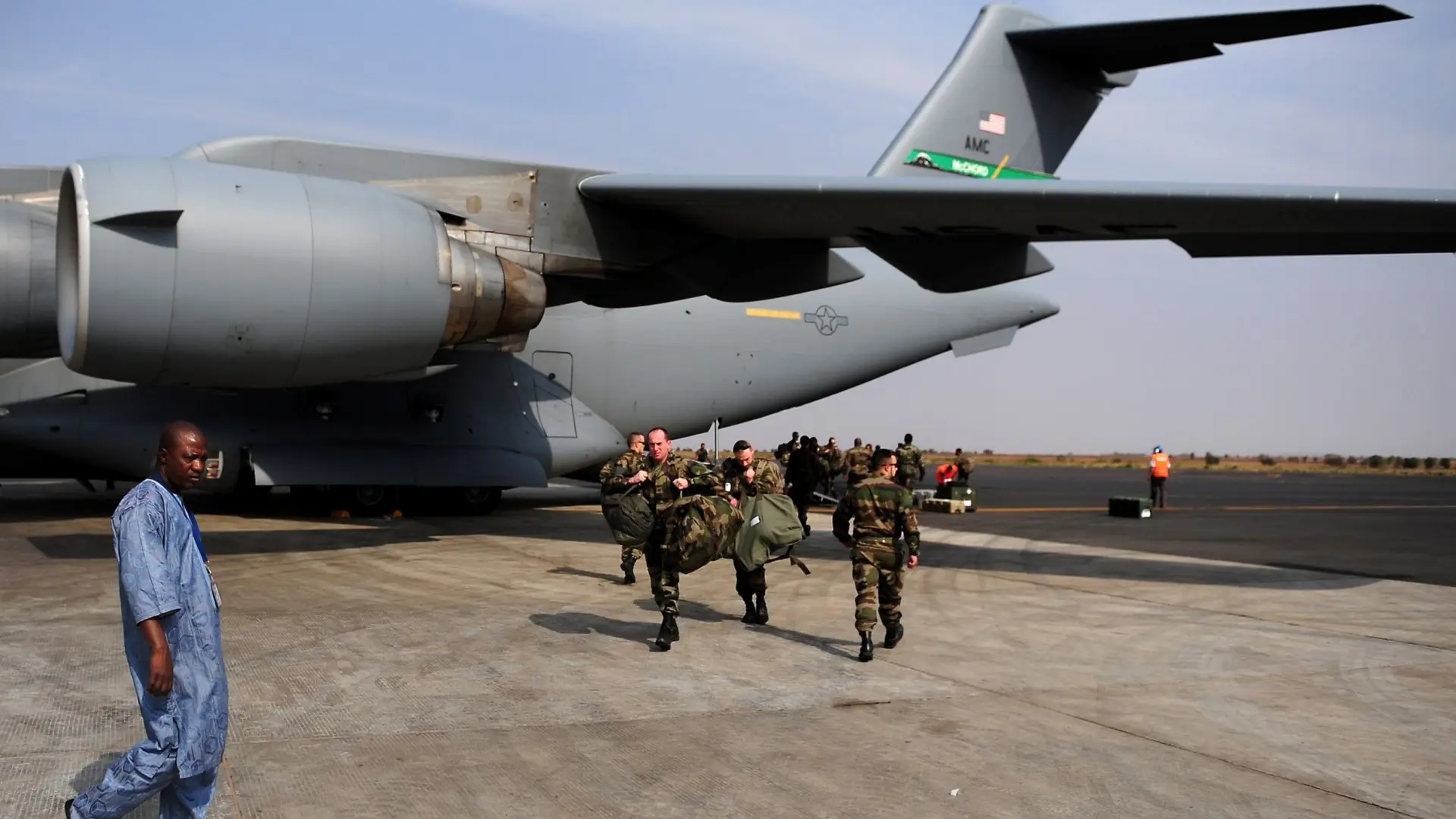
Operation Barkhane (France’s counter-insurgency mission across the Sahel) ended not because it succeeded but because the governments it was nominally supporting chose to end it. The Sahel’s military governments did not request France’s departure. They demanded it. Mali ordered French forces out in January 2022, months after the country’s second coup in nine months. Burkina Faso followed in February 2023. Niger, following its July 2023 coup against President Mohamed Bazoum, expelled the French ambassador and demanded French military departure. Three successive governments, across three successive crises, made the same calculation. France’s military presence was a political liability that outweighed whatever security contribution it made.
The security situation in all three countries has not improved since French withdrawal. Insurgent violence linked to JNIM and ISGS affiliates has continued, and in some areas intensified, since French troops departed. This is the legitimate critique. But its deployment as an argument for France’s indispensability misses what was actually driving the expulsions. It was not a calculation that France was militarily useless. It was a determination that the political cost of French presence (what it signified about sovereignty, dependency and the persistence of colonial frameworks) had become unacceptable regardless of the tactical situation.
The structure of French influence
To understand what is being rejected in the Sahel, one must understand what France built and maintained across Francophone Africa over six decades of formal independence. The CFA franc arrangements (pegged to the euro through separate monetary unions) have raised disputes about monetary sovereignty. French military bases across the region enabled rapid intervention to protect French interests and, at times, to support governments France wished to keep in place.
Grievances and political change
This architecture held as long as the governments it supported could manage popular discontent. What changed in the Sahel (and what makes the current moment structurally different from earlier episodes of anti-French sentiment) is the combination of youth demographics, social media penetration and governance failures that made the maintenance of that containment increasingly difficult. Anti-French protests are not manufactured by Russian disinformation alone, however convenient that attribution is for Paris. They reflect genuine and longstanding grievances about what the French relationship has actually cost African sovereignty.
The Sahel’s military governments did not request France’s departure. They demanded it.
Russia’s role and its limits
Russia’s rapid consolidation of security partnerships across Mali, Burkina Faso and the Central African Republic is often presented as the primary explanation for French expulsion. This inversion of causality protects a false premise. France was not expelled because Russia offered an alternative. It was expelled because its continued presence had become politically untenable, and Russia was available as a replacement. The sequence matters.
Russian involvement, through Wagner-linked deployments and Russia’s emerging Africa Corps, has delivered tactical security capacity and political legitimation to military-led governments. It has not delivered governance improvement, civilian protection at scale or the structural transformation of security sector capacity that would reduce long-term insurgent risk. The military governments that invited a Russian presence are operating with a shorter time horizon than the security problems they face require. Whether Russia’s commitment to the Sahel is durable beyond its immediate geopolitical utility is a question that its current partners will eventually be forced to answer.
A changing relationship
France has sought to recalibrate its African engagement through changes in military deployment and promises of more equal partnerships. The test is whether those changes alter the terms of cooperation as well as the language used to describe it.
The continental reset underway across Francophone Africa represents something more durable than a geopolitical moment. It is a generational renegotiation of the terms on which African states relate to external powers, whether French, Russian, Chinese, American or otherwise. The Sahel has been the most visible site of this renegotiation because it combined the highest security dependency with the most acute governance failure. But the impulse driving it (towards African agency in determining the terms of external engagement) is not confined to the Sahel. It is a strong current in the continent’s politics, and France, along with every other external power that has treated African partnerships as instruments of its own strategic management, will be navigating its consequences for the next generation.



