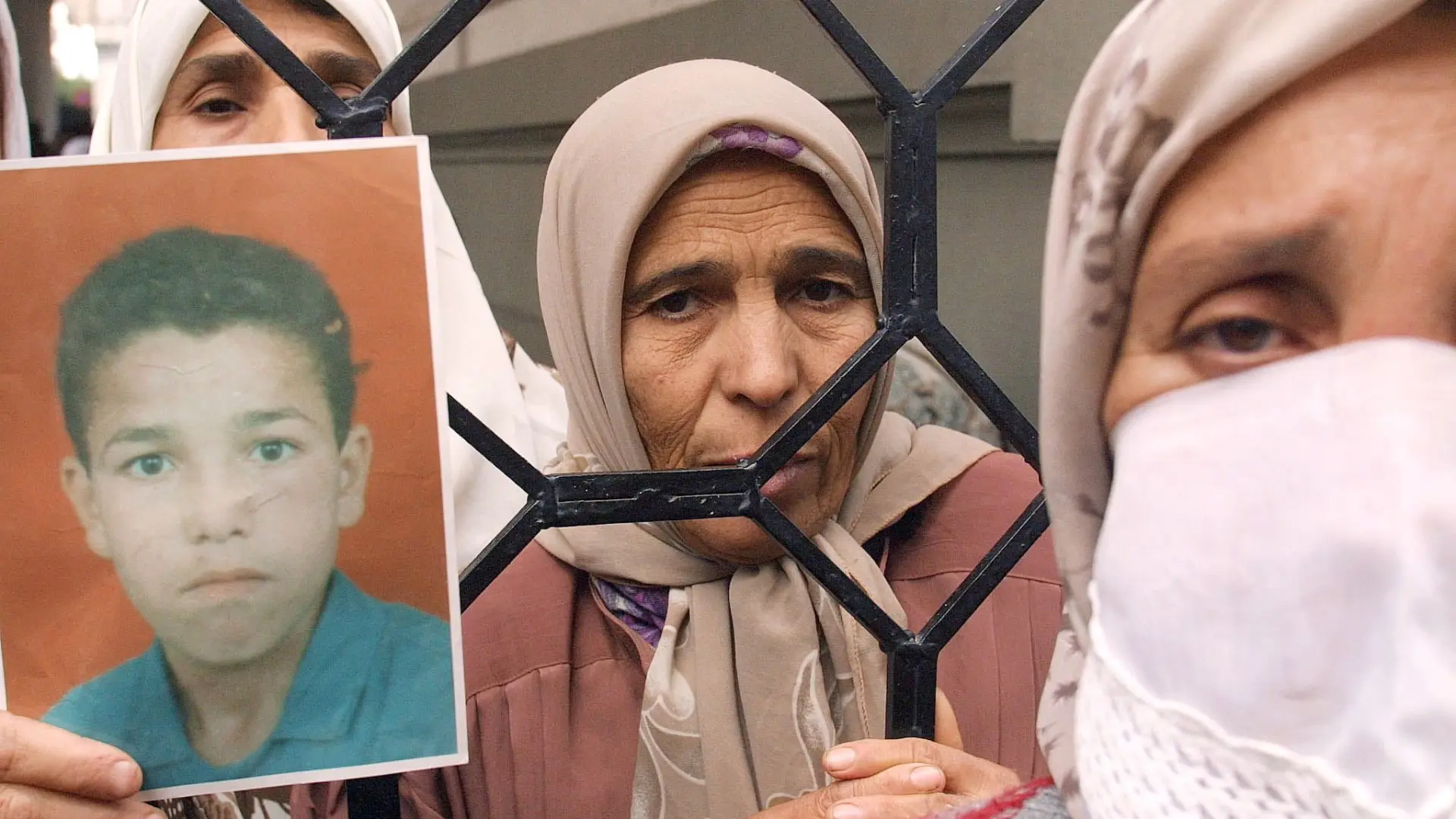
On the night of 22 September 1997, in the sixth year of Algeria’s civil war, fighters of the Armed Islamic Group (GIA) attacked the village of Bentalha, about 15 km south of Algiers. By Amnesty International’s count they killed more than 200 villagers. Reported death tolls ranged from 85, the first official estimate, to more than 400.
The village had once lived under the GIA’s rule. It was punished for turning against the group, while security forces nearby did not intervene. More than two decades later, the massacre is still deeply lodged in Algeria’s collective memory.
A village between two forces
By 1997 Algeria’s civil war was at its most brutal. It had begun when the army cancelled the 1992 elections that the Islamic Salvation Front (FIS) was set to win. Bentalha then fell, as Dalia Ghanem of the Carnegie Middle East Center has described, within the GIA’s Zone 7 (Algiers). It lies on the Mitidja plain, between the coast and the mountains of the Tell Atlas, and the land around it was a vital corridor between Algiers and Chréa, where the GIA had its headquarters.
The village had voted for the FIS in the local and parliamentary elections of 1990 and 1991, and by 1994 to 1995 the GIA effectively controlled it. Under what has been called the “strategy of decay”, the regime is said to have left whole regions and towns, Bentalha among them, in the GIA’s hands deliberately, so that the burden of running them would turn the population against the group. In Bentalha it seemed to work. The village became a GIA support base, where the group dispensed justice, ran local affairs and organised welfare and tax collection.
After three years of GIA rule, the villagers had had enough of its strict enforcement of Islamic law and its violence. They stopped helping the group and formed a civilian militia to defend themselves. Relations with the GIA broke down. Security forces became more visible in Bentalha but could not root out the armed groups around it, and violence rose. The GIA, then led by Antar Zouabri, decided on extreme measures to retake the village and its surroundings and to punish its people for going over to the government.
Warnings before the attack
The killing had already begun nearby. On 29 August 1997, at least 200 people were killed in Raïs, a village about 20 kilometres from Algiers and a few kilometres south-east of Bentalha. On the night of 5 to 6 September, at least 87 people were massacred in Sidi-Youcef, a district on the outskirts of the capital. Rumours spread that more massacres were coming. For ten days before the attack, villagers heard jackals howling every night, though jackals are not found in the area, and helicopters circled overhead every day.
A planned operation
The massacre was organised and coordinated. One group went ahead to plant bombs at the doors of houses, so that villagers could not fire on a second group entering the village. Two women from the village went with the attackers, seeking revenge for the killing of their son and brother, a GIA fighter, and carried lists of the names and addresses of the families to be wiped out. A third group, the debbahines or cutthroats, did the killing with knives. It split in two, some entering homes while others waited outside to stop victims escaping.
The night of the massacre
At about 11:30 pm on 22 September, nearly 150 armed men under the regional GIA emir, Salim Mohammed, known as Lazraoui, stormed the village. Explosions shook the Hai el-Djilali neighbourhood in the south-west of Bentalha, and attackers poured in from the orange groves into the south-eastern quarters. They moved from house to house, killing every man, woman and child they found, while a helicopter circled above.
The attackers carried machine guns, hunting rifles and machetes. According to the survivor Nesroullah Yous, some wore dark combat clothes and others the kachabia associated with the Islamists, with balaclavas and beards. They knew some of the villagers and called them by name. Survivors described rape and mutilation. Some young women were abducted, and their bodies were found days later in a well near Bentalha. People from outside the quarter who tried to help were stopped. The killers worked their way through Hai el-Djilali until about 5 am, then left unchallenged.
Officials put the dead at 85. Hospital sources and survivors spoke of 417 victims and a few hundred injured.
Unanswered questions
The cruelty of the Bentalha, Raïs and Sidi-Youcef massacres, the numbers killed in each, the failure of the security forces to intervene and the officials’ efforts to play down the death tolls led many people to suspect that the authorities were hiding their own role. The confusion surrounding events did much to spread that belief. The security forces often used indiscriminate violence against civilians, which drove many angry young men into the armed groups. Survivors such as Nesroullah Yous have questioned the official account, but no conclusive proof that the security forces took part in these massacres has emerged.



