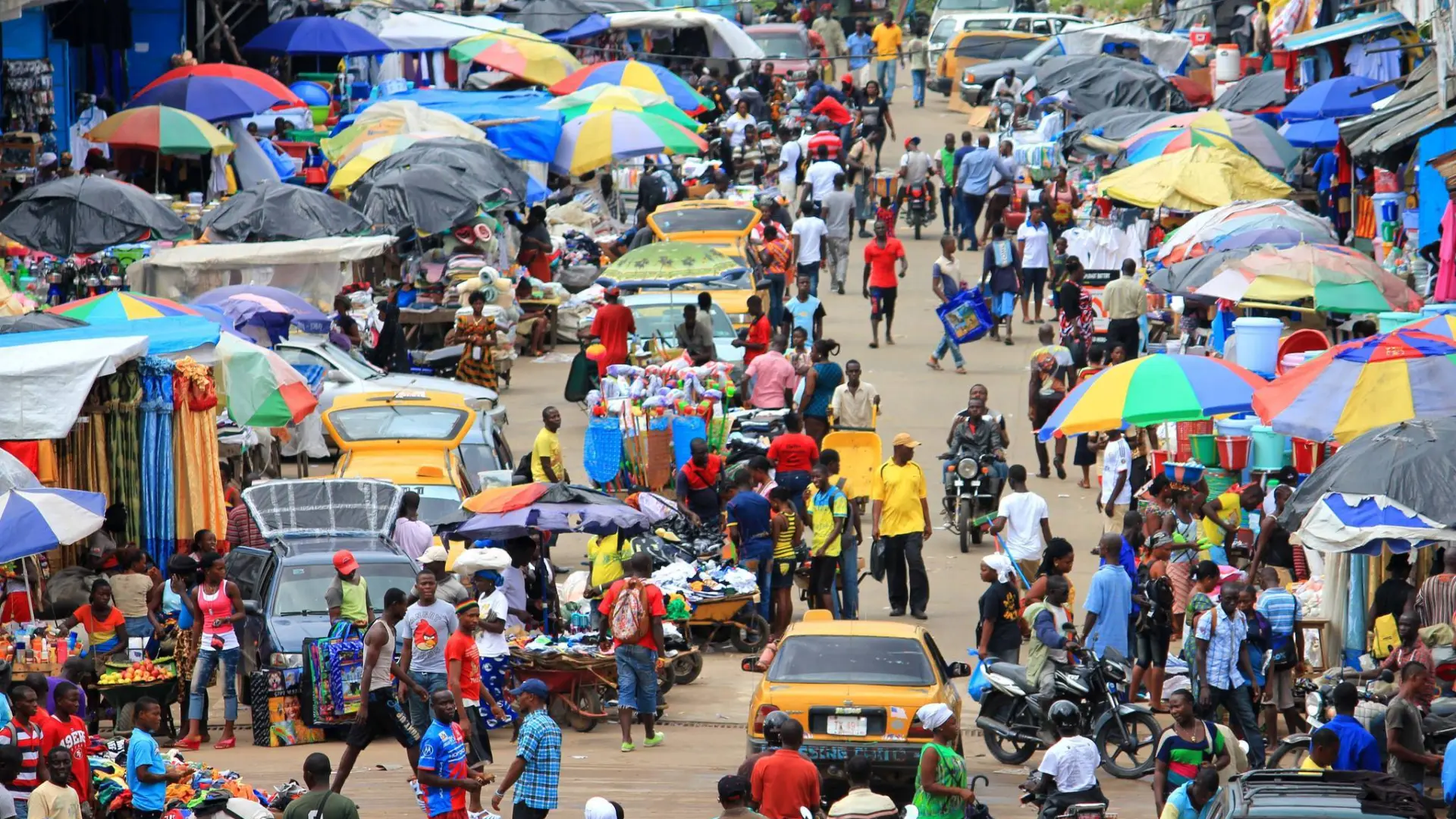
A slow journey to work affects more than a commuter’s patience. It can reduce productive time, increase transport costs and make daily responsibilities harder to manage. Where unreliable journeys become routine, businesses and households must organise their lives around the possibility of delay.
Congestion also creates pressure on fuel use and the urban environment. The scale varies by city, route and time of day, making reliable local information important to the response.
Nairobi, Cairo and major South African cities frequently appear in discussions of the problem. Their presence in a particular ranking, however, does not establish a complete or consistently measured comparison of every African city.
A ranking needs to explain what it measures
Traffic indices combine information in different ways. A measure of a respondent’s total commute is not necessarily the time spent stationary in a queue. An estimate of dissatisfaction is different again from a direct observation of traffic flow.
Crowdsourced comparisons can identify concerns, but their coverage and sample matter. Changes in respondents or the number of cities included may affect a ranking without showing a corresponding improvement on the road.
The same caution applies to estimates of economic losses and emissions. A figure should identify its method, period and units before it is used to compare cities or justify a particular investment.
Transport authorities need information that supports decisions about routes, demand and service reliability. A headline position in a league table is a starting point for questions rather than an answer to them.
More vehicles meet limited space
Rising car ownership can add demand to road systems that have changed more slowly than the cities around them. Land-use decisions, the location of jobs and the availability of alternatives also shape how many journeys require a private vehicle.
Motorcycles can improve access and provide income for riders. Their contribution to congestion and safety depends on how they are operated and accommodated. Treating them either as the complete solution or the main cause overlooks the wider transport system.
Road expansion may relieve a particular bottleneck, but it needs to be assessed alongside the travel it attracts and the needs it serves. A larger road is not a substitute for reliable public transport, safe walking routes and better connections between services.
Alternatives must be usable
People are more likely to change how they travel when another option is dependable, affordable and reasonably convenient. A service that is modern but difficult to reach may have little effect on the journeys creating the greatest pressure.
Bus and rail planning therefore need to consider interchanges and the beginning and end of a journey. The passenger’s experience involves the whole trip, not only the time spent in a vehicle.
Good management can also improve the use of existing infrastructure. Clear operating arrangements, maintenance and enforcement are necessary whether a city is building a new system or improving an old one.
Planning should reflect everyday needs
Economic activity depends on the movement of workers, customers and goods. Transport decisions also affect access to schools, health services and family support. Those needs can be lost when the discussion focuses only on the speed of private cars.
Cleaner technologies can reduce some environmental effects, but a cleaner vehicle can still occupy scarce road space. Changes in technology should sit alongside decisions about how the city enables people to move.
The useful test of a congestion policy is whether journeys become more reliable and accessible. That requires sustained planning and service delivery, with results measured through the conditions people experience each day.



