Transport determines how easily people reach work, businesses find customers and goods move between producers and consumers. A new road or railway can improve those connections, but infrastructure produces less value when services are unreliable, unaffordable or poorly integrated with the rest of the network.
Africa’s growing population and expanding towns increase the demand for movement. The response needs to consider the journeys people actually make, rather than measure progress only in kilometres built or projects announced.
The continental free-trade project gives that task added importance. Lower tariffs will achieve less if a consignment remains expensive to move, a border crossing is unpredictable or a producer cannot reach a main transport corridor.
A system must be useful to its users
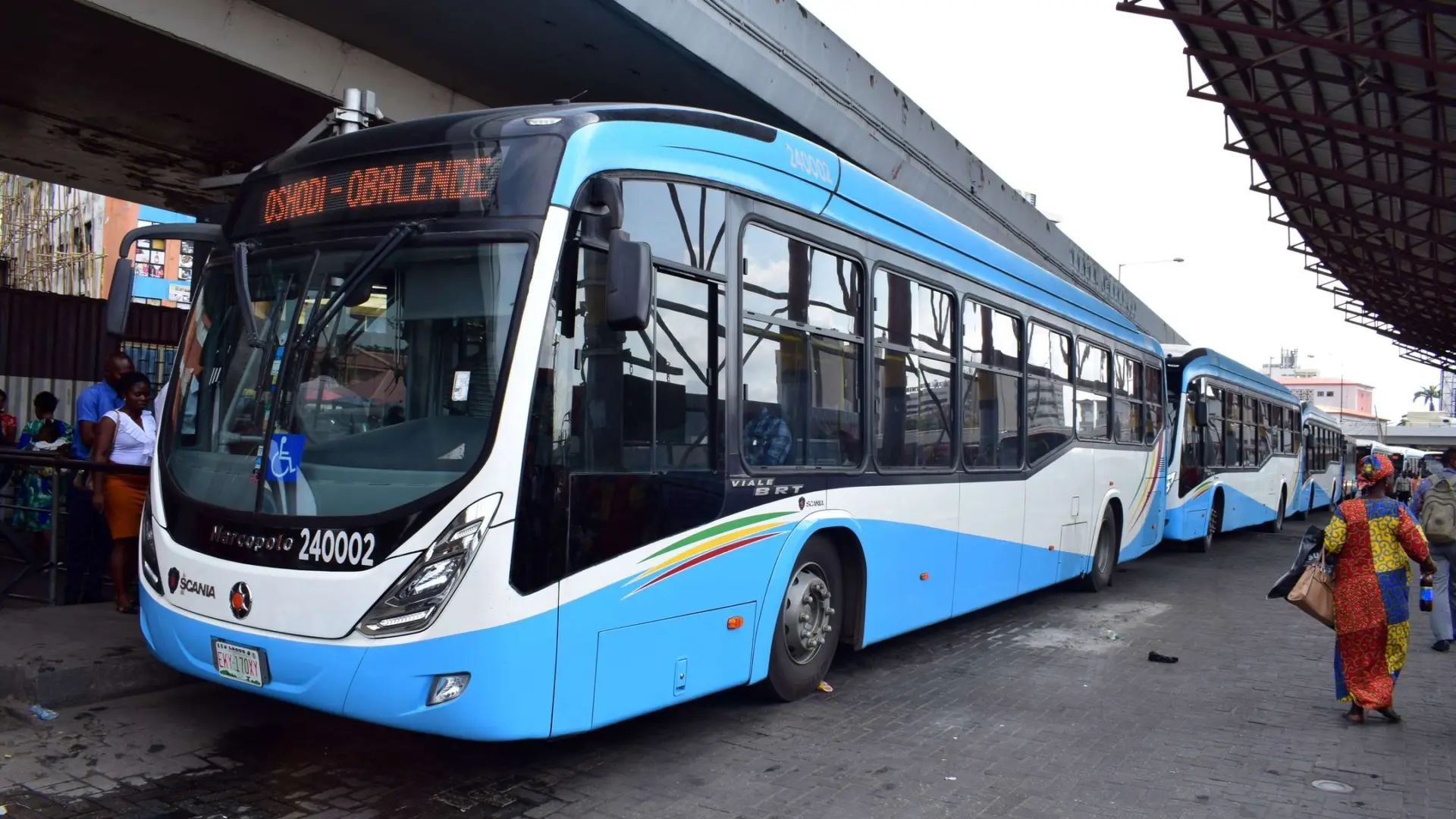
Functioning transport offers appropriate choices between modes and makes connections between them workable. Freight may need to move between a port, a railway and a road. A commuter may need a safe walk, a bus journey and a reliable interchange.
Building several alternatives does not establish that those choices are available in practice. Fares, operating hours and the location of services determine whether people can use them. A modern network that remains beyond the means of most travellers leaves an important part of the problem unresolved.
The World Bank’s Logistics Performance Index, as described in a 2019 transport report, examines several aspects of freight performance, including infrastructure, customs, logistics services and timeliness. Its usefulness lies in identifying weaknesses across a system rather than treating one large construction project as a complete solution.
National and regional authorities need compatible priorities. Investments made independently can leave gaps where a well-developed route meets a poorly maintained connection or incompatible border procedure.
Safety belongs in the design
Deaths and injuries impose personal suffering and economic costs. Safety should therefore shape road design, maintenance and enforcement from the outset.
The growth of motorcycle transport makes that particularly important. Motorcycles can provide income and improve access, but roads designed without the needs of riders, passengers and pedestrians can expose them to avoidable danger.
Reliable information helps authorities identify where injuries occur and which interventions work. Road-safety observatories and comparable reporting systems can support that work, provided data lead to practical changes rather than remain an administrative exercise.
Maintenance is part of investment
Sustainability includes the ability to keep a service operating. A road that deteriorates quickly or a railway that cannot finance maintenance can lose much of the value claimed at construction.
Project appraisal needs to include operating costs, climate exposure and environmental effects. The cheapest construction contract may not produce the lowest cost over the life of an asset. Equally, an ambitious specification is of limited use if the institution responsible cannot maintain it.
Clear procurement, competent management and continuing oversight help protect the money committed. Transport investment can have substantial benefits, but returns are not guaranteed simply because a project carries an infrastructure label.
Integration requires institutions as well as routes
Regional cooperation can improve the value of national networks. Common planning can help neighbouring countries address missing links, avoid incompatible investments and organise services around trade and passenger demand.
Different countries have different resources and urgent needs. Some face severe food insecurity, conflict or health pressures alongside infrastructure shortages. A continental plan must recognise those constraints rather than assume that every government can implement the same programme at the same pace.
The strongest transport strategy connects investment decisions with affordability, safety and long-term operation. Its success is visible when journeys become dependable and producers can reach markets at a cost they can sustain.



