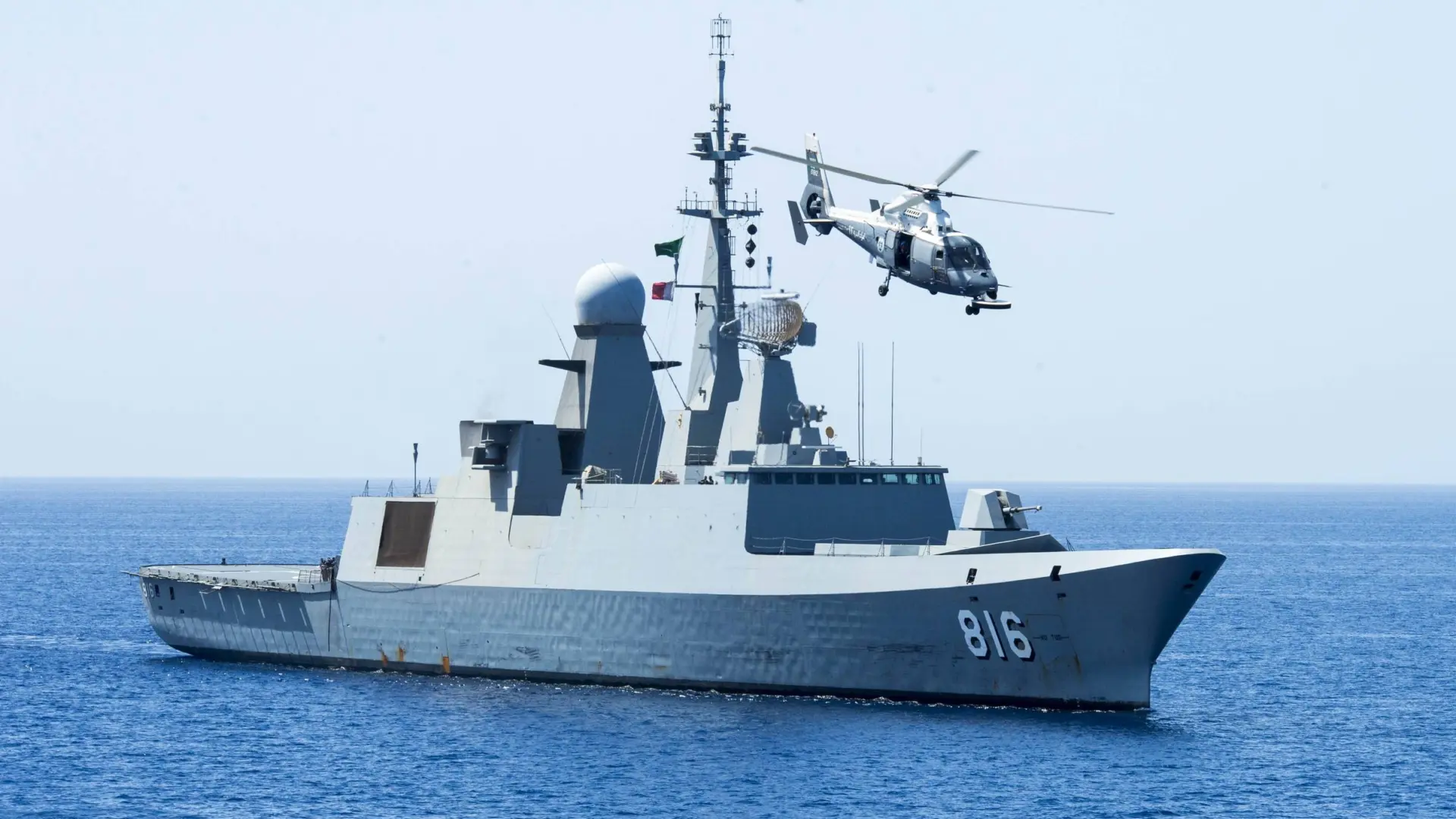
A Multinational Maritime Defence Coalition was announced in Riyadh on 30 July 2026, with a stated purpose of protecting shipping through the Bab al-Mandab, Red Sea and Gulf of Aden. Saudi Arabia subsequently identified Rear Admiral Abdullah bin Salem Al-Shehri as its commander. Founding governments were scheduled to meet on 12 and 13 August to discuss the institutional framework. African membership makes the distribution of operational authority a question for the states supplying ports and coastline as well as those supplying ships.
The sequence raises questions that a founding declaration cannot answer. A coalition needs rules on tasking, intelligence sharing, port access and the circumstances in which a member can refuse an operation. Naming a commander before completing those rules makes it particularly important to establish how founding members will influence them.
African coastal states contribute ports, territory, access and knowledge of the waters the coalition proposes to protect. Djibouti sits near the Bab al-Mandab; Egypt controls the Suez Canal; Somalia has a long Indian Ocean and Gulf of Aden coastline. Those assets give coastal governments interests that extend beyond the uninterrupted movement of international cargo. The coalition’s rules will determine how those interests enter operational decisions.
Coastal membership matters only if the agreed rules give it practical effect in decisions.
Other maritime missions, including the European Union’s Operation Aspides and the US-led Operation Prosperity Guardian, also operate in the region. Their mandates and command arrangements differ. Including coastal governments as founding members could give those states a stronger role, though membership alone does not establish how much influence they will exercise.
Some prospective members face serious domestic security pressures. Sudan’s war and Somalia’s disputes over authority can affect port access, cooperation and the resources available for maritime enforcement. A shipping-protection coalition cannot resolve those conflicts by membership alone. Its priorities and obligations need to be understood alongside them.
The risk in this arrangement is that the states supplying the coastline, the ports, the basing rights and the diplomatic cover are brought into the structure early and cheaply, because their consent is legally necessary and politically useful, while the states that supply the ships, the budget and the command decide what the structure does. Inclusion is real, and it is not the same as leverage. An African government that joins at the founding stage acquires standing, a seat at the planning meeting and a claim to have been consulted. Whether it acquires the ability to direct or refuse an operation in its own waters is a separate question.
There is a version of this in which the littoral states use the moment well. The framework is unfinished, the coalition is openly recruiting, and the founding members have the strongest possible argument for influence. Without their coasts there is nothing to command. Rules on tasking, port access, intelligence sharing and what happens when a member’s own security needs conflict with a shipping-lane priority are all still to be set, and those terms need to be explicit in the founding framework.
If coastal governments secure meaningful authority over access and operations, the coalition could support both shipping and their own security needs. If they supply territory without an effective say in decisions, its benefits and risks will be distributed differently. The founding framework is where those alternatives become practical rules.



