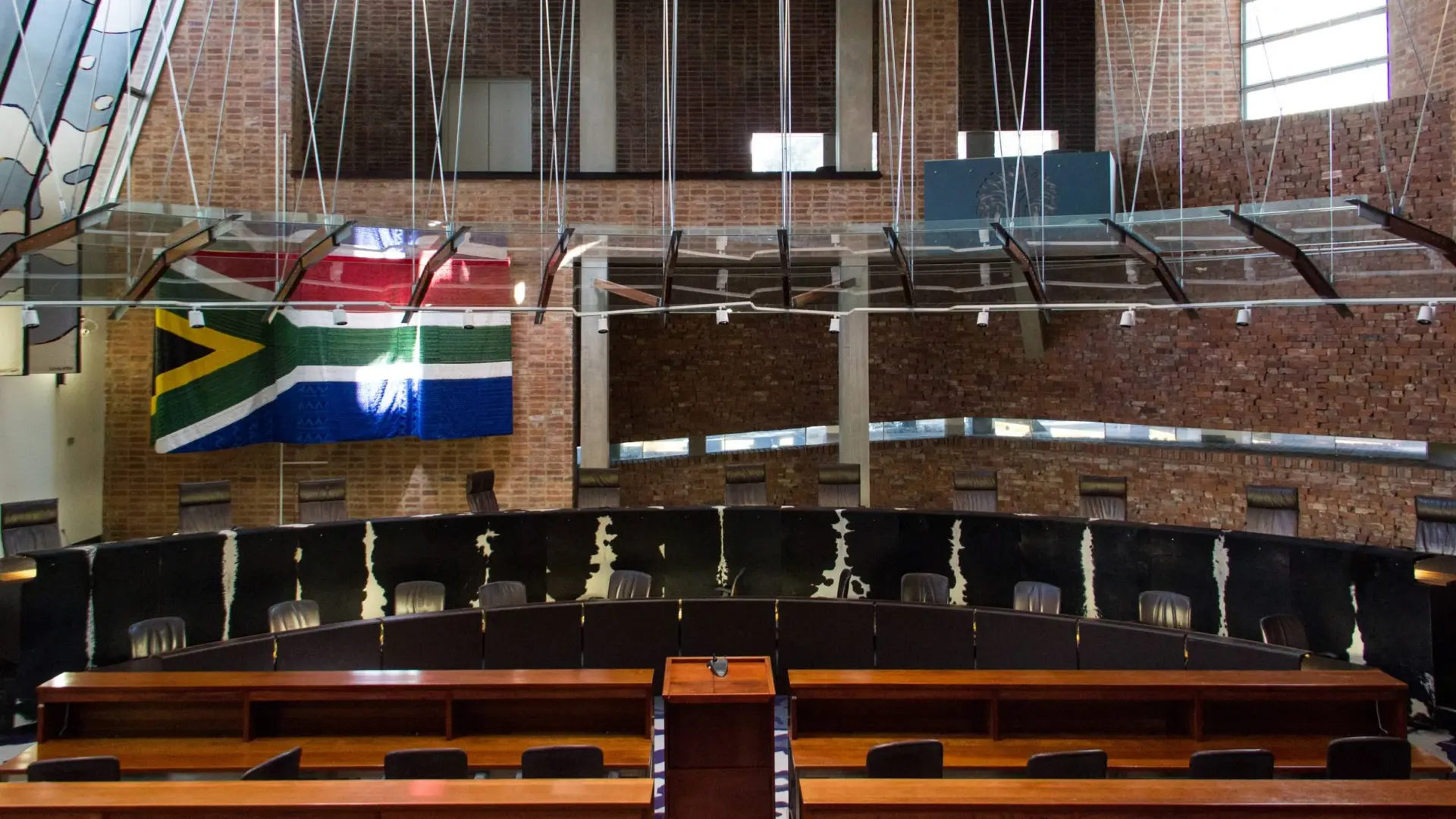
Judicial neutrality is not only a personal virtue; it is an institutional condition. Security of tenure, protection from executive pressure, transparent appointments, adequate resources and professional standards help courts maintain independence. These safeguards are unevenly present across African justice systems and can be weakened by political pressure.
African courts have shown that they can rule against incumbent power. Kenya’s Supreme Court invalidated the August 2017 presidential election, an example of why independence must be assessed through institutions and decisions rather than assumed from appointment alone. Equally, a pattern of decisions favourable to a government does not by itself establish improper influence. Assessing pressure on courts requires evidence about appointment rules, resources, tenure and particular proceedings.
Appointments and independence
Senior judicial appointments may be shaped by direct presidential selection, executive influence over judicial service commissions or parliamentary confirmation controlled by ruling coalitions. Where the executive dominates these processes, judges’ selection and career advancement may depend on relationships within a particular administration’s sphere of influence.
How pressure can work
This does not mean that executive-appointed judges cannot deliver independent judgments; the Kenyan ruling shows they can. It means that incentives to accommodate the executive are built into the appointment process in ways that affect judicial culture. The threat of being passed over for promotion, of professional marginalisation, or of resources being withheld from inconvenient courts does not require explicit executive direction to operate. It works through the judiciary’s own sense of where institutional safety lies.
Judicial neutrality is not only a personal virtue; it is an institutional condition.
Media and public pressure
Politically charged trials in the social media era also bring pressure from directions other than the executive. When a trial touches divisions of ethnicity, religion, political alignment or class, the proceeding becomes a site onto which broader social conflicts are projected. Judges whose rulings disappoint large parts of the public face reputational consequences and, in some contexts, physical threats. Intimidation of judges, whether by government, opposition or public mobilisation, threatens independence in its own right.
The media’s role is similarly double-edged. Investigative journalism that holds prosecutors and courts to procedural integrity strengthens the justice system. Trial by media, in which sustained, partial and emotionally charged coverage sets expectations of a verdict, can compromise the presumption of innocence and create a standard against which the court is judged regardless of the evidence presented.
Safeguards worth defending
Strengthening judicial systems requires a specific institutional agenda. Appointment processes should reduce executive discretion without replacing it with an equivalent dysfunction. Secure tenure should insulate judges from career pressure related to case outcomes. Adequate resourcing should prevent the delays and procedural weaknesses that politically motivated parties can exploit. And a professional legal culture should treat independence as a collective responsibility rather than an individual judge’s problem.
These reforms are achievable. Whether they happen depends on whether political systems that benefit from judicial accommodation can be pressed, by civil society, international partners and the judiciary itself, to accept the constraints the rule of law requires. The stakes are practical: courts are the institutions that review the conduct of all the others.



