On Tuesday 3 September 2019, Statistics South Africa (Stats SA) reported that gross domestic product (GDP) grew by 3.1 per cent in the second quarter of 2019. The figure in the Stats SA release is the change from the previous quarter, seasonally adjusted and expressed at an annual rate. It spared South Africa a recession, because output had fallen by 3.1 per cent on the same basis in the first quarter, a figure revised from a first estimate of 3.2 per cent. The release came the day before the World Economic Forum on Africa was due to open in Cape Town.
The rebound does not settle the bigger question. It did little more than cancel the first-quarter loss. Measured against the same quarter of 2018, GDP was 0.9 per cent higher, and output in the first half of 2019 was only 0.4 per cent above its level a year earlier, according to the South African Reserve Bank’s Quarterly Bulletin of September 2019. The economy had already been through a recession in the first half of 2018, its output has been shrinking in dollar terms for most of this decade, and President Cyril Ramaphosa faces criticism from business over the slow pace of reform.
A shrinking economy
On World Bank figures for 2018, South Africa’s economy was the second largest in Africa, after Nigeria’s. The bank classes it as an upper-middle-income country. Its GDP tripled from $153.5 billion in 1994 to a peak of $458 billion in 2011. For 2019 as a whole it came to about $389 billion, according to World Bank data in current US dollars.
The decline has several causes. Executives surveyed for the World Economic Forum’s Global Competitiveness Index 2017–2018 named corruption, government instability, inefficient government bureaucracy, restrictive labour regulations and an inadequately educated workforce among the most problematic factors for doing business in South Africa. The same report ranked the country 61st of 137 economies overall and 44th for financial market development.
Eskom, the state power utility, is the most pressing case. Business Unity South Africa, the country’s biggest business lobby, criticised the government’s handling of the utility in a letter to its members, according to a Bloomberg report carried by TechCentral on 6 August 2019. Eskom had more than R440 billion in debt, and the state had pledged tens of billions of rand to keep it afloat, the report said. The lobby’s president said there was no political will to take hard decisions. The Reserve Bank’s bulletin said severe electricity-supply disruptions had hampered output in the first quarter.
Where the growth came from
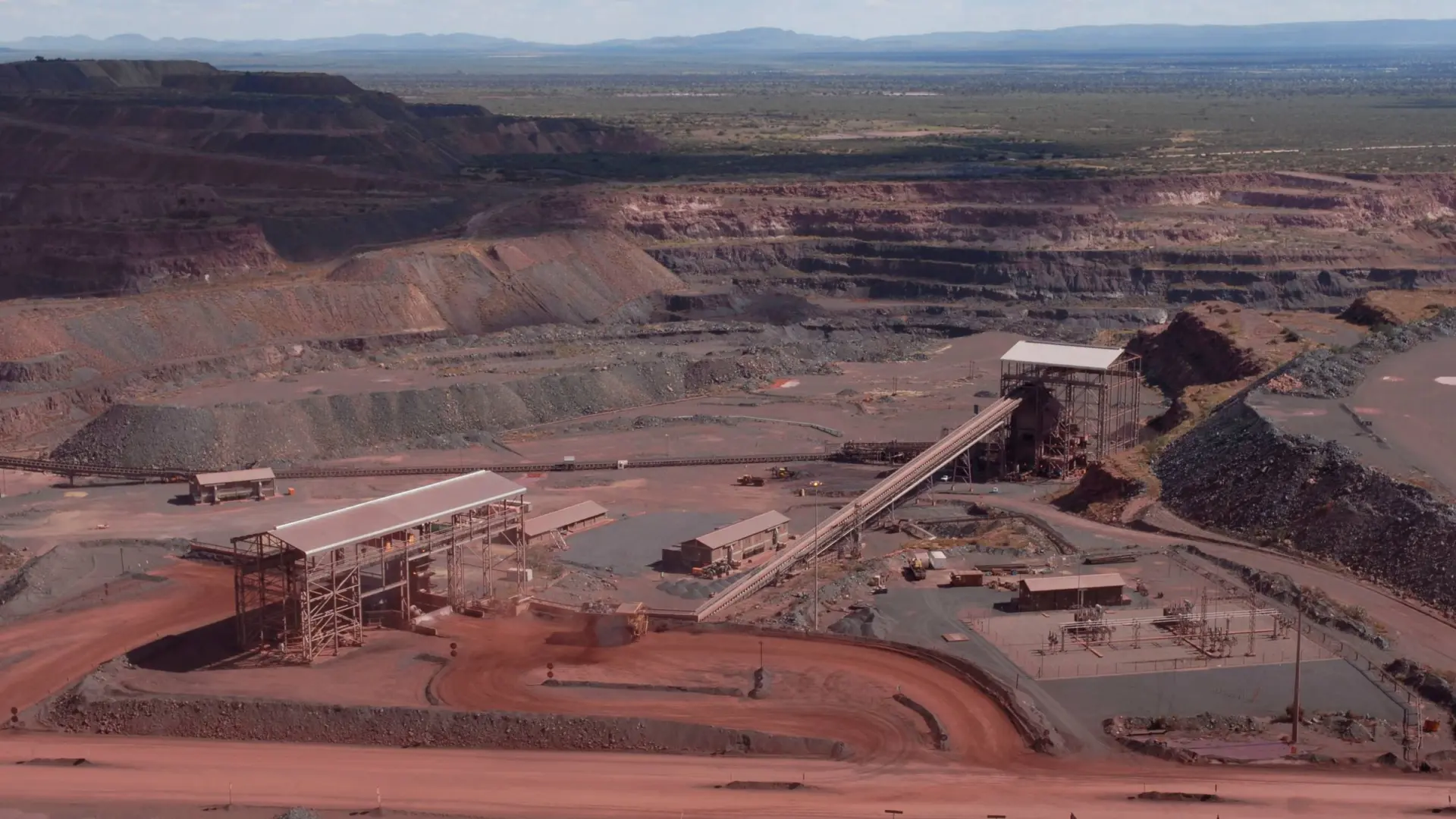
Stats SA said the largest contributors to growth in the second quarter were mining, finance, trade and general government services. Mining grew by 14.4 per cent and finance, real estate and business services by 4.1 per cent, both at seasonally adjusted annualised rates. Agriculture, forestry and fishing contracted by 4.2 per cent, mainly because of a drop in the production of field crops and horticultural products.
The rand strengthened. By the morning of Wednesday 4 September it traded at R14.93 to the US dollar, from R15.24 at the start of the month, BusinessTech reported that day. It linked the move to the GDP figures and to weak manufacturing data in the United States.
Nedbank’s analysts were not persuaded. In a research note for September 2019, the bank’s markets research team said the main reason for the surge was the low base of the first quarter and not necessarily any significant improvement in the economy. Confidence remained weak, the note said.
Trade points the same way. Exports fell by 0.7 per cent and imports rose by 18.8 per cent, both at seasonally adjusted annualised rates, and net exports subtracted 5.6 percentage points from growth in expenditure on GDP, the Stats SA release shows.
Free trade as a way out
The task for South Africa is to raise exports, and the African Continental Free Trade Area offers a route. The African Union launched the agreement’s operational phase in Niamey on 7 July 2019. It covers a market of more than 1.2 billion people in 55 countries and, if it succeeds, would be the world’s largest free-trade area since the World Trade Organization was formed. The free-trade area has obstacles of its own to overcome.
Finance Minister Tito Mboweni told a news conference in Johannesburg on 2 September 2019, “We stand to gain tremendously from this because of our industrial base,” the African News Agency reported in a story carried by Polity.
South Africa’s experience carries a lesson for other African economies, Nigeria’s in particular. One strong quarter is no substitute for the things that produce lasting growth, such as free trade, innovation, digitisation, sustainable development and good leadership.



