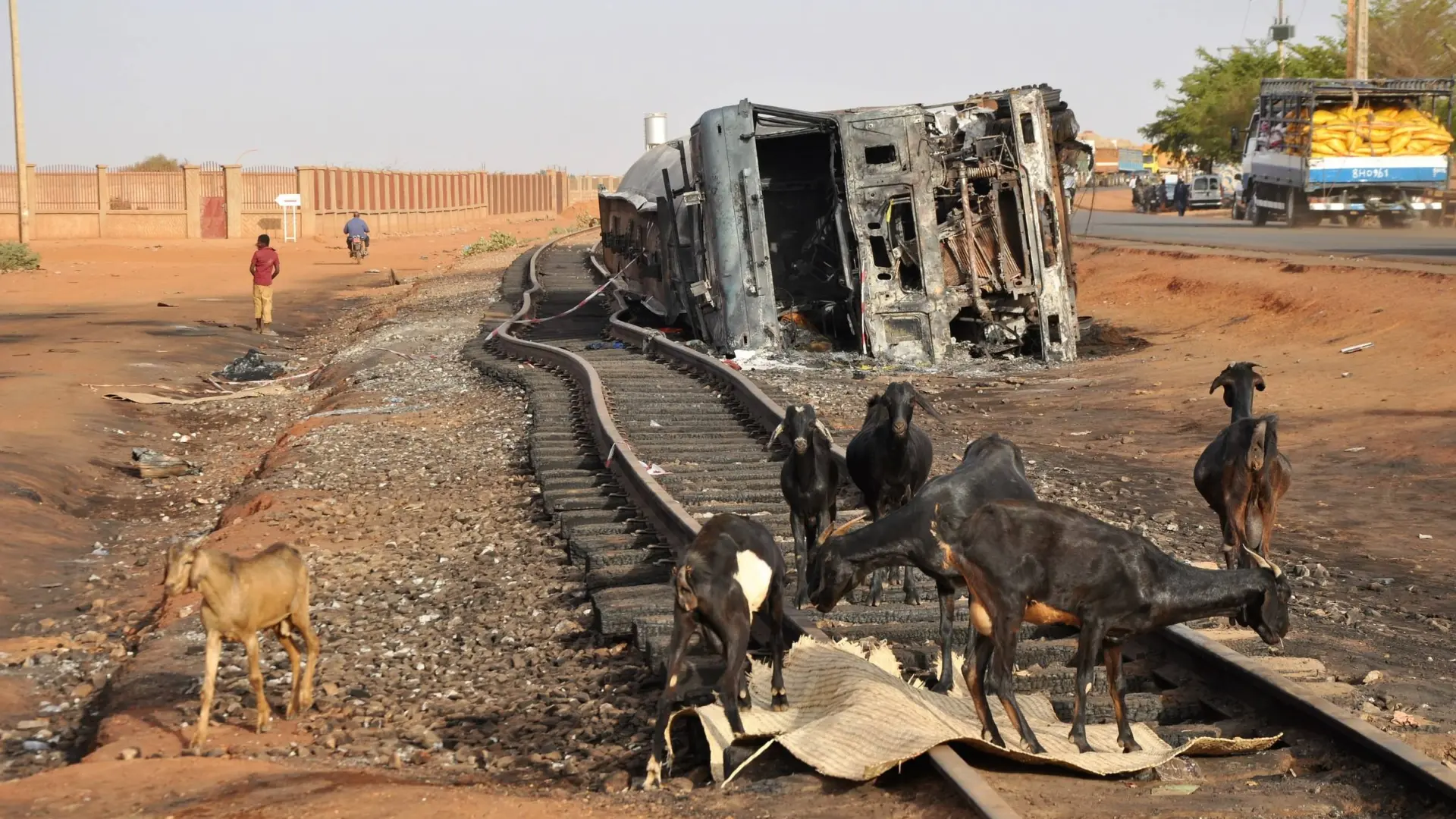
A petrol-laden tanker in Maje, Suleja, Niger State, lost brake control, struck three vehicles and ignited a fire that destroyed thirty homes and several commercial properties. Nigeria’s fuel tanker explosions are not freak accidents. They are the predictable outcome of a petroleum distribution system that relies on road transport over deteriorating roads, with vehicle standards that go unenforced and a regulatory framework that exists in statute but not in practice.
The pattern is long established. The Federal Road Safety Corps estimated that over 306 people died in petroleum tanker accidents in 2016 alone, with economic losses calculated at seven billion naira annually. The 2018 Otedola Bridge fire in Lagos killed twelve people and destroyed over fifty vehicles. Official calls for review and expressions of concern followed. The distribution system that produced the disaster remained unchanged. Nigeria’s tanker explosions are not a crisis that arrived unexpectedly. They are a data series with a consistent trend.
Why the risks persist
Nigeria relies heavily on road tankers to move petroleum. Domestic refining, pipelines, rail and road safety are related but distinct issues, and producing fuel locally does not remove the need to distribute it safely.
Other countries make the design choice visible. The United States moves the majority of its petroleum through pipelines, with different cost and safety characteristics from road transport. Nigeria’s pipeline network exists but is chronically compromised by vandalism, insufficient security and decades of deferred maintenance. Rail, a viable middle option for long-distance petroleum transport, remains underdeveloped despite repeated government commitments. What has grown instead is a road-based distribution system run largely by independent oil marketers whose operations are difficult to regulate and whose compliance with safety standards is, in practice, commercially optional.
Policy and enforcement
The 2017 Federal Executive Council approval of a new National Petroleum Policy acknowledged the environmental and safety dimensions of the existing distribution system. Implementation was slow and enforcement remained weak. Policy documents alone cannot change how petroleum moves. That requires enforcement institutions independent of the commercial interests they regulate, and capital investment in alternative infrastructure that those same interests have little incentive to support.
Driver training shows the depth of the problem. Vehicles carrying thousands of litres of flammable petroleum pass through dense urban areas and crowded rural roads without a uniform standard of training for those who drive them. The FRSC runs periodic certification drives, but sustaining compliance needs regular roadside checks, database-linked licensing and penalties that actually reach operators rather than being negotiated into informal payments. Independent marketers who stand between national distributors and retail markets have commercial incentives to keep transport costs low, and low transport costs and safety compliance pull in opposite directions.
What would reduce the risk
Nigeria’s tanker explosions will keep recurring until investment addresses their root causes. This requires functional refineries that reduce the need for long-haul road transport of imported product; a pipeline network maintained to operational standard and secured against sabotage; a rail freight system carrying petroleum across long distances; and a regulatory environment in which safety compliance is enforced with consequences sufficient to change behaviour. Each requires capital, political will and the willingness to disrupt commercial arrangements that benefit from the absence of alternatives. That political will is what has been consistently deferred.
Calling a collision an accident does not mean it was unforeseeable or unavoidable. Each fire should be investigated for vehicle condition, driver conduct, road design, emergency response and regulatory failure, and the findings used to reduce the risk of the next one.



